How to Inspect a Used Bike Before Buying
As they say, you get what you pay for and for a bicycle that’s a fact, particularly one that’s being sold as used. The worst kinds of shocks are based around paperwork discrepancies, hidden accident…
As they say, you get what you pay for and for a bicycle that’s a fact, particularly one that’s being sold as used. The worst kinds of shocks are based around paperwork discrepancies, hidden accident or flood damage beneath a fresh paint job or running engine symptoms that are fine for 5 min, but not 50 km. Most of them are discovered by following a systematic check.
Start With the Paperwork
Request to view a copy of their registration certificate (RC) and verify that the owner’s name corresponds with the seller’s ID passports. Check chassis and engine serial nos of the RC with the bike’s. If there’s any sign of grinding, re-stamping or mismatch—and you walk away.
You can find out the registration information and the number of former owners of the bike, as well as red flagging if the bike is hypothecated to a lender, on the Parivahan Vahan portal. Parking tickets (unpaid) can also delay the transfer, so look for any pending traffic tickets. The transfer is typically also subject to the issuance of a PUC certificate.
Review Insurance and Service History
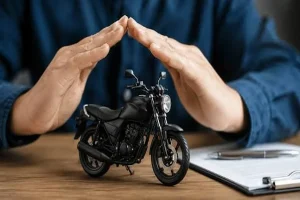
A valid policy is a good sign, but read it rather than glancing at the expiry date. The policy shows whether the bike carried only third-party cover or own-damage cover as well, and any gap in cover may mean an inspection is needed before a fresh bike insurance policy can be issued. Service records from an authorised workshop help confirm the mileage and show whether routine maintenance was done on time. If the seller cannot produce any service history for a bike that is several years old, treat the odometer reading with caution.
Check the Frame and Body
Inspect the bike in daylight on level ground. Look along the frame for cracks, fresh welding or paint that does not match, especially near the steering head and swing arm, since these are where accident damage tends to show. Front forks should be straight and the handlebar centred when the front wheel points straight ahead.
Rust on the frame, a musty smell in the seat foam or water marks under the seat can point to flood damage, which often causes electrical faults later. Check that the headlamp, indicators, horn, brake light and instrument cluster all work.
Hidden damage also matters for insurance. Even comprehensive bike insurance covers only damage that occurs after the policy starts, so faults from an earlier accident or flood become the buyer’s cost once the sale is done.
Listen to the Engine
Make a deal with the seller to not turn the bike on before you arrive, for you to hear a “cold start. The vehicle should start up easily, self-stabilizing into a regular idle. If the instrument panel shows blue smoke appearing in the exhaust, the engine is leaking oil, and it is possible that serious trouble is developing within the engine if the white smoke is thick after the engine has been warmed up.
Pay attention to any noises like knocking, rattling or a ticking sound becoming louder as they rev. Check for oil leakage under the engine and check chain and sprockets for wear. The chain should be ultra movable and has to be replaced soon if the rear sprocket is pulled well or the rear sprocket’s teeth appear hooked.
Take a Proper Test Ride
Ride long enough so engine warms up to working temperature (on a mixture of roads, if possible). Adjusting gearshifts should be smooth, with no slippage or grinding, and should engage properly without any issues. Both brakes hold the bike straight without pulling out to the side and the hands are not tight on the bars.
Inspect tires to make sure they are cracked and worn, and look for the tire’s sidewall, where a manufacturing date is printed. Even tyres which look good can wear out after a few years.
Have a Mechanic Look at It
For any bike (with a value other than a commuter) to be placed in a competent hands-on repair shop for any repair work costs a pretty low price when measured against the risk. While you’re at it, a mechanic can check all of this and discover how to fix some of the things you can’t see from a buyer’s standpoint. If a seller refuses an independent inspection, he or she has just given you information that is beneficial.
Completing the Transfer and Insurance
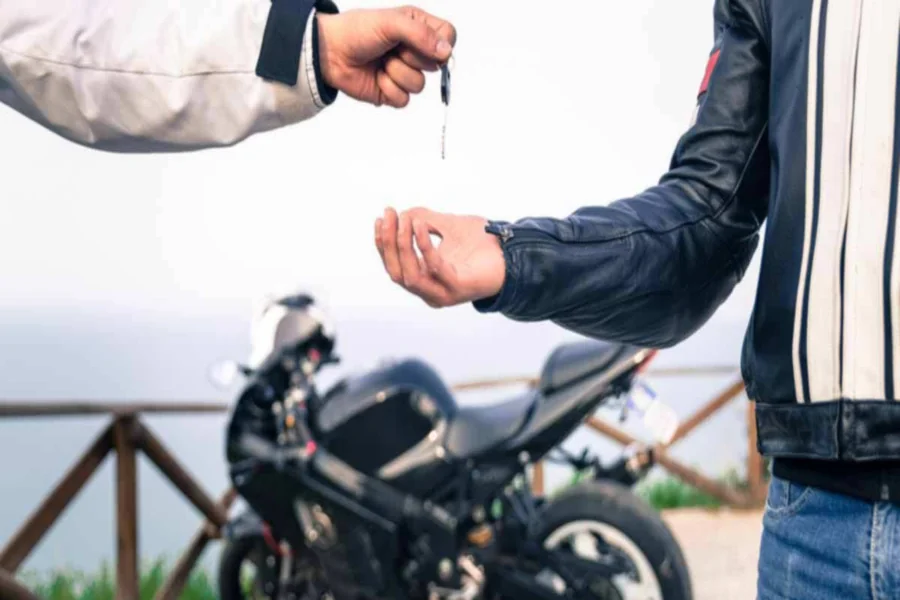
The ownership is transferred under RTO with the help of Form 29 & Form 30, both by Buyer and Seller. In case the bike has been acquired using a loan, the seller must possess Form 35 in addition to a NO OBJECTION CERTIFICATE issued by the lender to close the hypothecation on this kind of acquisition. Try not to accept the entire payment until receipt of an original RC, the signed paperwork and a written sale contract or delivery note specifying date and time of payment. If the bike becomes involved in an offence before the transfer is complete, then your record will be protected.
Own-damage cover does not travel with the car, cover from a third party does. Within 14 days of the sale the policy need to be transferred in your name or the claim for own damage may be denied. Premium on policy sold may be subject to adjustments made to current policy premium due to any no-claim bonus earned on the policy.
This inspection is estimated to task around an hour of work. It is during this hour – and the documentation which follows – that the value of the bike comes into play – whether it will be a worthwhile investment after the first few months on the road.