What Property Owners Should Know Before Adding EV Chargers
Property owners need to understand the essentials of adding EV chargers, from site evaluation to installation, ensuring a seamless integration for tenants…
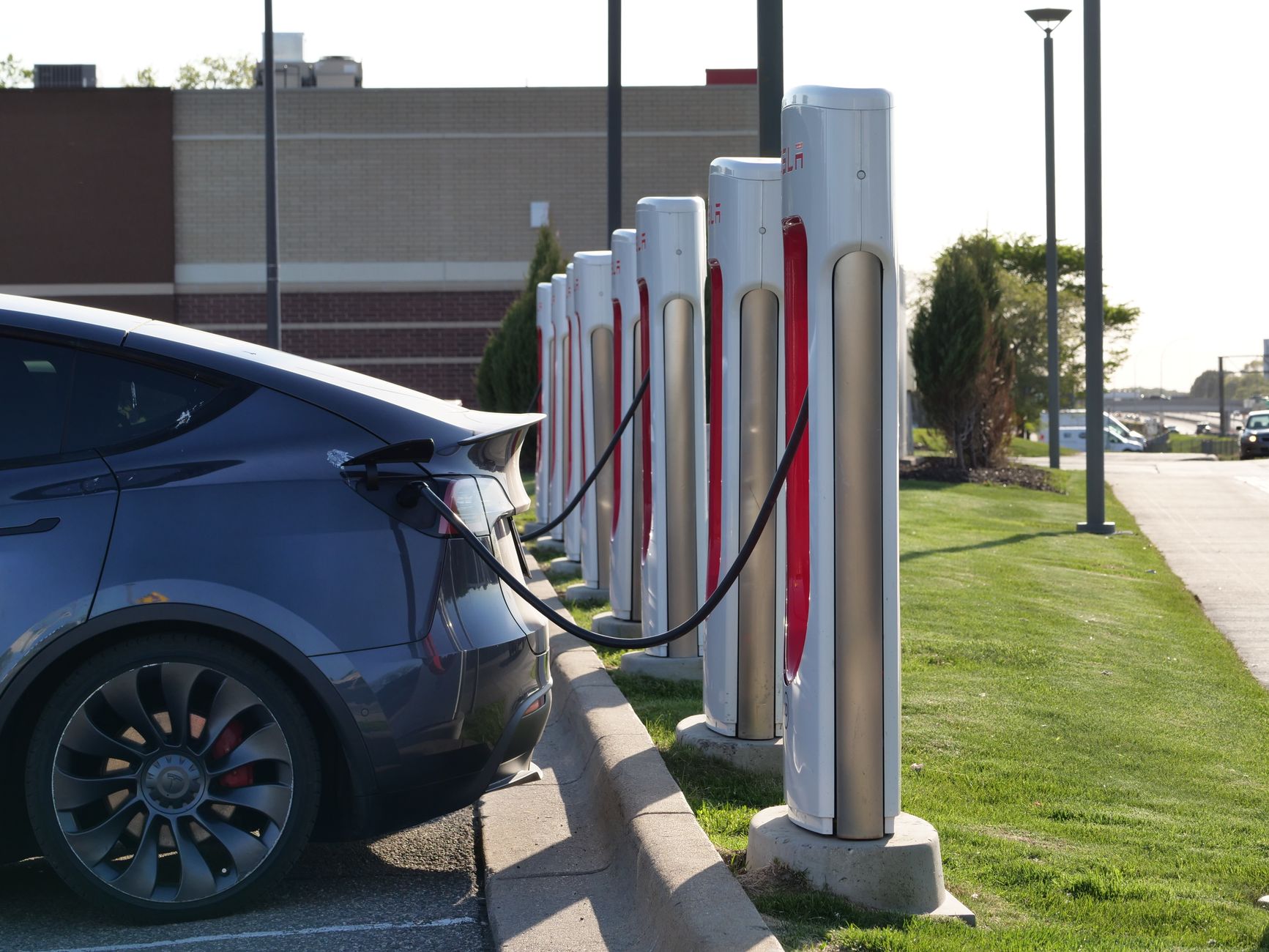
A few years ago, an EV charger in a parking lot was a nice-to-have, the kind of thing a forward-thinking building might add for a handful of tenants. Today it’s turning into a line on the tenant wish list, right next to laundry and decent Wi-Fi. The same diligence applies when it comes to security deposit law in Florida.
If you own or manage a property, you’ve probably felt the shift. A resident asks where they can plug in. An employee wonders if the office will ever add chargers. A prospective tenant tours the building and glances at the parking garage a little longer than you’d expect.
The good news is that adding charging is very doable. The less-good news is that it’s easy to get wrong if you treat it like buying a gadget instead of planning a small piece of electrical infrastructure. This guide walks through what actually matters, from the first walk-through of your lot to the day the chargers go live, so you can go into the process with clear expectations.
Why this has moved up the to-do list
Let’s start with the “why now,” because it shapes how much urgency makes sense for your property.
Tenants and employees are asking
Drivers who own an EV want to charge where they park, overnight or during the workday. If your property can’t offer that, they notice, and some of them will quietly factor it into whether they renew a lease or accept a job. For multifamily buildings in particular, charging has become a retention tool, not just an amenity.
Vehicles keep arriving whether or not you’re ready
Even if only a small share of your residents or employees drive electric today, that share is growing. It’s far easier to plan for demand before it shows up than to scramble when six people ask in the same month.
Charging can pay for itself
Depending on the arrangement you choose, chargers can bring in revenue, support your sustainability goals, and make the property more competitive. We’ll look at the money side more closely below, because that’s where a lot of owners get nervous.
Start with your site, not the charger
The most common mistake property owners make is shopping for hardware first. The charger itself is the easy part. The real questions are about your building.
Electrical capacity
Every property has a finite amount of power coming in. EV chargers draw a lot of it, especially if several are running at once. Before anyone talks about brands or models, someone needs to look at your electrical panel and service capacity and figure out how much room you actually have.
If the answer is “not much,” that doesn’t kill the project. It just changes the approach, which usually means smarter load management or a phased rollout rather than a big, expensive service upgrade.
Parking layout and distance
Where the chargers go matters more than people expect. The closer they are to your electrical room, the less trenching and wiring you need, and the lower the cost. A layout that looks perfect on paper can turn expensive if it means digging a long run across a lot.
Think about how people actually move around your property too. Chargers tucked into an awkward corner tend to go underused, while well-placed ones become part of the daily routine.
Who’s going to use them
A multifamily building, a retail center and an office park all have different usage patterns:
- Apartments and condos: Residents usually charge overnight, so slower charging is often enough, and billing each user fairly becomes important.
- Retail and shopping centers: Drivers stay for an hour or two, so faster charging can make sense, and the chargers can bring customers in the door.
- Workplaces: Employees park for eight or nine hours, which suits slower, steady charging that shares power across many vehicles.
Matching the setup to the people using it is half the battle.
Room to grow
This is the one that people forget. Demand tends to climb once chargers exist. If your first installation uses up all your spare capacity, adding more later may mean starting over. A good plan leaves headroom, so you can add chargers in stages without tearing anything up.
What the installation process actually looks like
Once you’ve got a clear picture of the site, the work itself follows a fairly predictable path. Knowing the sequence takes a lot of the mystery out of it.
Step one: evaluation and planning
Everything starts with a proper review of your parking layout, panel capacity and likely demand. This is where decisions about charger type, number of ports and future expansion get made. A rushed evaluation tends to show up later as surprise costs or underperforming equipment.
Step two: permits, utility coordination and the build
This is the stage most owners dread, mostly because of the paperwork. Electrical work for chargers generally needs permits and inspections, and in some cases the local utility needs to be involved. Done right, it’s handled for you. Done poorly, it’s where projects stall for weeks.
The physical work includes running power from your panel to the charger locations, mounting the equipment, and connecting everything to the software that manages access, payments and monitoring. For professional ev charger installation, it helps to look for providers who manage that whole chain themselves, from design through permitting and activation, instead of handing pieces off to different subcontractors. Fewer handoffs generally means fewer delays and a clearer answer to the question “who do I call when something goes wrong?”
Step three: operation and upkeep
Chargers aren’t a set-it-and-forget-it purchase. Software needs updating, hardware occasionally fails, and someone has to respond when a tenant reports a dead unit. Before you sign anything, find out who handles monitoring, maintenance and repairs once the install is finished. An unreliable charger is worse than none at all, because it frustrates the exact people you were trying to please.
Let’s talk about cost
Money is usually the first question and the one with the least tidy answer, because it depends heavily on your site.
What drives the price
A few factors do most of the work:
- Electrical capacity: Whether your panel can handle the load or needs upgrades.
- Trenching and distance: How far the power has to travel from the panel to the chargers.
- Number and type of chargers: More ports and faster units cost more.
- Site conditions: Concrete, older wiring and tight spaces all add complexity.
Two properties with the same number of chargers can end up with very different bills, which is why anyone quoting a flat number without seeing your site should be treated with caution.
Ways to avoid a big upfront bill
Not every owner wants to write a large check, and they don’t have to. Some providers offer arrangements where they fund the installation and operate the system, while the property hosts the chargers and shares in the charging revenue. If that model appeals to you, compare the terms carefully: who owns the equipment, who sets the pricing, how revenue is split, and what happens if you later want out of the agreement.
It’s also worth checking whether rebates, tax credits or utility incentives apply where you are. Programs vary a lot by location and change over time, so confirm current details with your utility or a local program rather than assuming anything.
Questions worth asking before you hire anyone
When you’re comparing providers, a handful of questions separate the professionals from the rest:
- Who actually does the electrical work? Licensed electricians with commercial experience, and ideally installers with EV-specific certification, are a good sign.
- Do you handle permits and inspections? The answer should be yes, with a clear process.
- What happens when a charger breaks? Look for named responsibility, not vague promises.
- What software runs the system? Open standards such as OCPP support matter, because they reduce the risk of being locked into one vendor’s ecosystem.
- Can the system grow with demand? Ask how adding chargers later would work and what it would cost.
- How is billing handled? For apartments and workplaces especially, fair and simple billing keeps users happy.
If a provider gets vague on any of these, treat that as information.
Common mistakes to sidestep
A few patterns come up again and again:
- Buying hardware before assessing the site. The charger is the cheap part. The wiring, permitting and capacity are where the real costs and risks live.
- Planning only for today’s demand. Leave room to expand.
- Ignoring ongoing service. A great install with no maintenance plan becomes a headache within a year.
- Choosing on price alone. The lowest bid can hide missing permits, weak support or proprietary software that traps you later.
- Skipping the user experience. If the app is clunky or payment is confusing, people stop using the chargers no matter how good the hardware is.
The bottom line
Adding EV charging to a property isn’t dramatically complicated, but it does reward a little homework up front. Start with your electrical capacity and layout, think about who will use the chargers and how, leave room to grow, and be clear about who handles operation after the install is done.
Get those pieces right, and charging stops being a project you worry about and becomes an amenity people quietly appreciate. Get them wrong, and you’ll spend the next few years fielding complaints about a row of dead chargers.
The sensible next move is a walk through your own lot, a look at your panel, and a couple of honest conversations with providers who’ll show you how they’d handle each step. You’ll learn more in an hour of that than in a week of browsing spec sheets.