How New York Construction Injury Claims Work When Multiple Contractors Share the Same Jobsite
There are very few situations on a construction site where one employer is involved. The general contractor can be responsible for the work with electrical, demolition, masonry, plumbing, roofing or other specialty subcontractors. So, if…
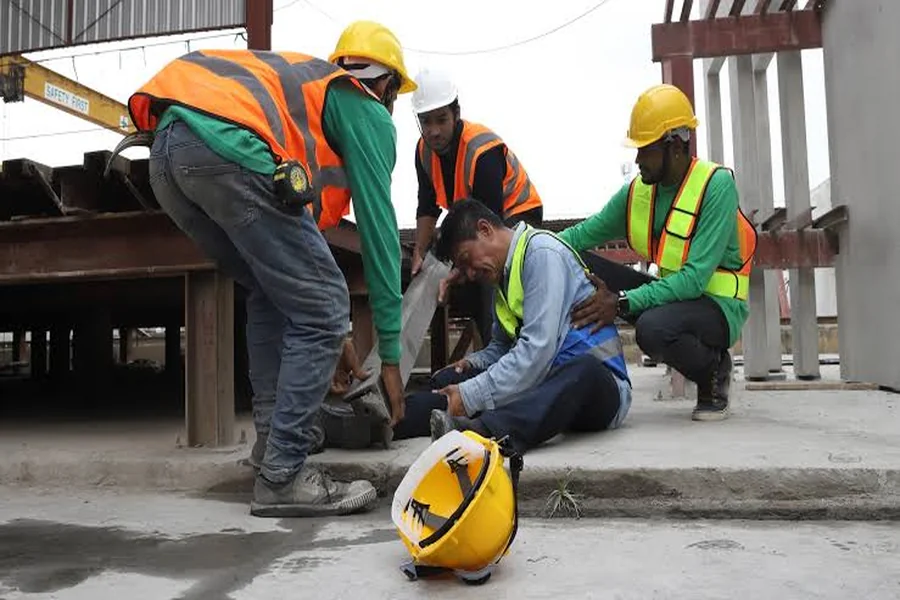
There are very few situations on a construction site where one employer is involved. The general contractor can be responsible for the work with electrical, demolition, masonry, plumbing, roofing or other specialty subcontractors. So, if an accident happens, it may be more difficult to identify who may be legally liable other than the employer in which the employee was working.
There are numerous potential avenues available to injured construction workers under New York law, depending on the circumstances of the accident, the worker’s role and the responsibility of the companies involved. Establishing how such relations impact a claim can be useful for an injured employee to pinpoint which of these issues will need to be examined in greater detail.
Why Multiple Contractors Can Complicate a Claim
Many companies can be on-site at the same time, on the same property, on different construction projects. One contractor could manage the construction site, another provide machinery and the third could be employing the individual in an accident.
For instance, let’s say an employee for a drywall subcontractor slips on a wet floor due to a temporary entrance that was not secured to prevent the fall. The general contractor may have been responsible for the overall work on the site, and another subcontractor may have performed the excavation or maintenance of the opening. Who is in control of the hazard can be significant in determining potential liability.
An experienced New York construction accident lawyer can examine these overlapping relationships rather than assuming that the injured worker’s employer is the only relevant party.
Workers’ Compensation and Third-Party Claims
Workers’ compensation generally provides benefits to employees injured in the course of employment, regardless of who caused the accident. Those benefits can cover medical treatment and, depending on the circumstances, wage-related losses.
However, workers’ compensation does not necessarily prevent an injured worker from pursuing a separate personal injury claim against an outside party. A subcontractor, property owner, general contractor, equipment manufacturer, or another entity may potentially be considered a third party.
These claims can involve different legal standards and may seek damages that are not available through workers’ compensation alone. Whether such a claim exists depends on the facts and the legal relationship between the parties.
New York’s Construction-Site Protections
Certain New York construction accidents receive particular attention under Labor Law. Sections 240(1) and 241 can be significant in cases involving specific construction-related hazards and safety requirements.
Falls and Falling Objects
Labor Law § 240(1), often associated with New York’s “Scaffold Law,” addresses certain elevation-related risks. It can apply to qualifying accidents involving falls from heights or objects that fall because of inadequate safety devices.
The statute does not automatically apply to every construction accident involving a ladder or elevated surface. The nature of the work, the accident, and the safety equipment involved all matter.
Construction-Site Safety Requirements
Labor Law § 241 addresses safety standards at construction, excavation, and demolition sites. Claims under this provision often depend on whether a particular Industrial Code regulation applies to the circumstances.
That distinction is important. A construction site may have several contractors present, but liability still requires an analysis of the applicable statute, regulation, duties, and facts.
Evidence Becomes Especially Important
When several companies operate on one jobsite, evidence can help establish who was responsible for what.
Useful records may include:
- Contracts between the general contractor and subcontractors
- Site safety plans and inspection reports
- Accident reports and incident photographs
- Witness statements
- Daily logs and work schedules
- Equipment maintenance records
- Training documentation
- Medical records describing the injury
Photographs can be particularly valuable when a dangerous condition may be repaired or removed shortly after an accident. Identifying witnesses promptly can also matter because construction crews and subcontractors may change frequently as a project progresses.
What If the Contractors Blame Each Other?
It is not unusual for companies involved in a construction project to dispute responsibility after an accident. One contractor may argue that another controlled the relevant work area, while another may contend that it had no responsibility for the equipment or condition involved.
Those disputes do not necessarily determine an injured worker’s rights. The claim should be evaluated based on the evidence, applicable New York law, contractual relationships, and the specific circumstances of the accident.
Timing Can Also Matter
Construction injury claims can involve strict deadlines, and different claims may have different limitation periods. Waiting too long can also make it harder to preserve physical evidence and identify witnesses.
For that reason, an injured worker should generally document the accident, report the injury through the appropriate workplace channels, obtain necessary medical care, and preserve relevant information as soon as reasonably possible.
Understanding the Full Picture
A construction accident involving multiple contractors is rarely just a question of which company employed the injured worker. Responsibility may depend on site control, the work being performed, safety obligations, contractual arrangements, defective equipment, and the particular New York law governing the claim.
A careful review of those factors can help distinguish a straightforward workers’ compensation matter from a case involving potentially significant third-party or statutory claims.
Available next action: Create a downloadable DOCX file here in this chat containing the editable prose above