

Blocked Stormwater Drains: Emergency Troubleshooting Guide for Commercial Property Managers
After a night of heavy rain, facilities staff report water pooling in your site’s car park and overflows from stormwater grates. Tenants are calling about slippery walkways and access issues, and you face the risk…
After a night of heavy rain, facilities staff report water pooling in your site’s car park and overflows from stormwater grates. Tenants are calling about slippery walkways and access issues, and you face the risk of property damage if water seeps into electrical rooms or basements. In this situation, a blocked stormwater drain can escalate from a nuisance to a serious emergency for any commercial property manager. Fast, targeted troubleshooting is critical—not just to restore safe access, but to minimize operational disruptions and costly repairs.
Knowing exactly how to respond when drainage systems fail can mean the difference between a quick recovery and days of escalating damage. Specific steps—like pinpointing the blockage location, understanding the most common causes in commercial settings, and knowing when to deploy professional-grade solutions—are essential. With the right emergency plan, you can act decisively to protect your property and keep tenants safe while arranging for permanent repairs.
Immediate Action Steps for Commercial Property Drainage Failures
When stormwater drains on a commercial site back up, the first step is to isolate areas at risk and prevent water from spreading into sensitive spaces. Use barrier materials such as sandbags or portable water dams to redirect flow away from building entries and critical infrastructure. Quickly assess if the blockage is causing water to enter electrical or mechanical rooms, as this may require an urgent shutdown of affected utilities for safety.
Locate the nearest accessible drain openings, such as maintenance pits or grated covers, to check for visible obstructions. Remove surface debris like leaves, litter, or sediment buildup, which can sometimes resolve minor backups immediately. If you cannot identify the blockage visually or if water levels continue rising, contact a licensed plumber with commercial blocked stormwater drain troubleshooting experience. Stopping further water ingress and reducing slip hazards are top priorities at this stage.
Local regulations often require prompt incident reporting for drainage failures in multi-tenant facilities. Review response requirements for property managers in your jurisdiction to ensure you meet legal obligations during drainage emergencies. Guidance on stormwater incident reporting requirements can help ensure compliance and streamline insurance claims later.
Identifying Common Causes of Commercial Stormwater Blockages
In commercial properties, stormwater drain blockages rarely result from a single cause. Built-up organic debris—like tree roots infiltrating underground pipes or accumulations of leaves and sediment in gutters—are frequent culprits. Construction sites nearby often contribute silt and building materials that clog main lines, while improperly disposed waste, such as food wrappers and plastic, can obstruct surface grates or pits.
Older properties face unique risks from deteriorating pipework, where collapsed or cracked pipes allow soil to enter the system. In facilities with extensive roof drainage, blocked downpipes can rapidly overwhelm ground-level stormwater pits. Recognizing these patterns is a cornerstone of effective commercial blocked stormwater drain troubleshooting, as it guides both immediate response and long-term planning.
Understanding the types of materials that cause drain blockages helps property managers anticipate issues before they become emergencies. Tailoring inspection routines to your property’s age, size, and landscape can significantly reduce the risk of future incidents.
Professional Mitigation and Heavy Duty Drain Clearing Techniques
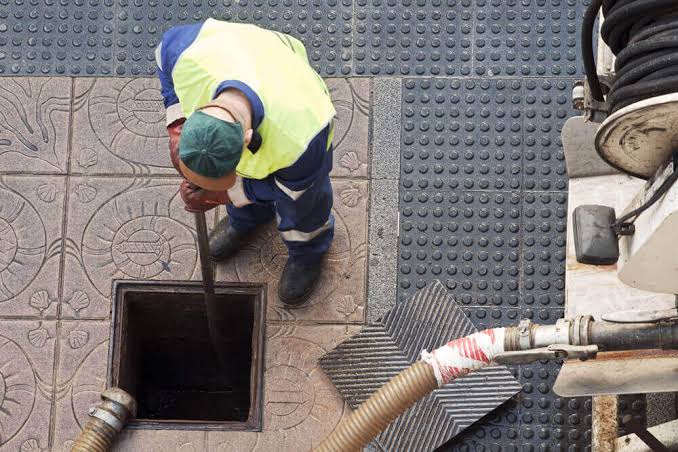
When surface interventions do not restore drainage, heavy duty tools become necessary. High-pressure water jetting is a common professional technique, using specialized hoses to clear stubborn buildups and tree root invasions inside underground pipes. For severe obstructions, mechanical drain augers (“electric eels”) can physically break up debris and clear long pipe runs found in commercial estates.
Licensed contractors often use CCTV drain cameras to locate blockages without excavation, providing real-time visuals of pipe interiors. This approach is especially valuable for large facilities with buried infrastructure, as it pinpoints the precise cause and location of the blockage. When these advanced methods reveal structural damage, property managers may need to authorize pipe relining or targeted excavation to restore full function.
For complex cases, such as those involving Blocked Stormwater Drains in facilities with multiple tenancies, a coordinated response ensures minimal disruption. Professional clearing services use both the right equipment and diagnostic expertise to resolve drainage failures quickly and safely.
Implementing Long Term Preventive Maintenance Protocols for Facilities
Preventing future stormwater drain emergencies requires a structured maintenance plan tailored to your property’s layout and risk profile. Schedule quarterly inspections of all surface pits, downpipes, and grated inlets, removing debris before seasonal storms. For properties with extensive landscaping, consider installing leaf guards and sediment traps to reduce organic material entering the drainage system.
Keep records of all maintenance activities, including drain camera inspections and any repairs completed, to track system performance over time. Use these records to identify recurring issues—such as particular trees causing root invasions or areas prone to silt buildup—and adjust your preventive measures accordingly. Clear signage reminding tenants and contractors to avoid dumping waste near stormwater inlets can also help reduce accidental blockages.
Developing a detailed emergency response protocol, including contractor contact lists and incident documentation templates, enables swift action when drainage failures occur. Regularly reviewing and updating these protocols is part of effective facility management best practices for commercial property managers.
Conclusion
Establishing a clear emergency action plan and investing in routine inspections enable commercial property managers to limit the impact of stormwater drain blockages. When faced with drainage failures, act immediately to control water flow, investigate the likely cause, and call in professional help for complex or recurring issues. Proactive maintenance and structured protocols are the best defenses against future disruptions and property damage.


