Can a Nursing Home Be Liable for Preventable Falls in Boynton Beach?
Nursing home falls can lead to serious injuries and raise questions about liability. Understanding the factors that contribute to preventable falls is…
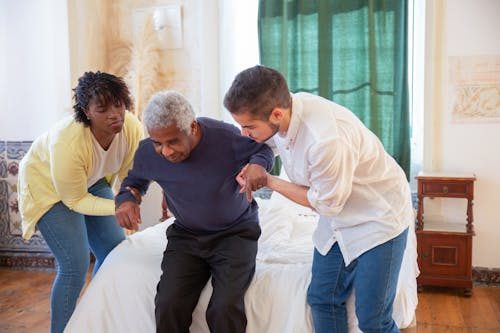
A fall in a nursing home can leave a family with a hard question: was this something that simply happened, or was someone supposed to prevent it?
That question matters. Older residents may have weaker balance, slower reflexes, poor eyesight, or medical issues that make falls a known concern. Nursing homes understand this. They are expected to pay attention to those risks, plan for them, and respond when a resident needs help. When those steps are missed, nursing home negligence lawyers may look at whether the fall was preventable.
Why Falls Deserve a Closer Look
A fall may sound minor until it happens to someone frail. A single fall can lead to a broken hip, head injury, fear of walking, loss of independence, or a decline that affects the resident’s health for months.
That is why preventable nursing home falls are taken seriously. The issue is usually not the fall by itself. The concern is what came before it.
Has the resident fallen before? Did staff know they needed help getting out of bed? Was the call button within reach? Was the bathroom floor wet? Did the care plan say one thing while staff did another?
Small details can change how the incident is understood.
Known Risks Should Lead to Action
Nursing homes should be watching for fall risks in nursing homes from the first day a resident arrives. Some risks are easy to see. A resident may use a walker, need help standing, or become confused at night.
Other risks may be less obvious. Medication can cause dizziness. A recent illness can leave someone weak. A resident who is embarrassed to ask for help may try to reach the bathroom alone.
Once a facility identifies these concerns, it should take reasonable steps to reduce danger. That may include closer checks, better lighting, assistance with transfers, clear walking paths, grab bars, bed positioning, or reminders for residents who forget their limits.
A facility does not have to prevent every injury. It does need to respond to risks it knew about or should have noticed.
When Supervision Falls Short
Many nursing home falls occur during routine activities. A resident tries to stand. Someone reaches for a robe. A person walks to the bathroom because no one came after the call light was pressed.
Poor supervision can become a key issue when a resident clearly needs help. If staff knew the resident could not walk safely alone, leaving them without support may raise serious questions.
This is especially true for residents with dementia, balance problems, recent surgery, or a history of falls. These residents may not remember instructions or understand the danger at the moment.
Supervision should fit the person, not a general schedule. A resident who needs help at night cannot wait because the staff is busy. One person should not move a resident who needs two people for transfers because the shift is short.
The Care Plan Is Often Important
A resident care plan is supposed to explain what help the person needs. It may cover walking assistance, transfer support, bathroom routines, fall precautions, equipment, or therapy needs.
After a fall, that plan can become one of the first documents reviewed. If it said the resident needed assistance and no help was provided, the facility may have a problem. If it required regular checks and those checks were missed, that may matter too.
Sometimes the written plan is reasonable, but the daily care does not match it. That gap can tell a lot. A plan sitting in a chart does not protect anyone if staff do not follow it.
This is one reason nursing home negligence lawyers may compare the records with what family members, staff, and witnesses say happened.
Unsafe Conditions Can Add to the Risk
A resident’s physical condition is only one part of the picture. The facility itself may create danger.
Unsafe nursing home conditions can include wet floors, clutter near the bed, poor lighting, loose mats, broken handrails, unstable furniture, missing grab bars, or blocked paths. For someone using a walker or cane, even a small hazard can be enough to cause a fall.
Bathrooms deserve special attention. Many falls happen when residents try to use the restroom. If a resident needs help and cannot get it in time, they may attempt to move alone. If the floor is slick or support bars are missing, the risk increases.
The question is often whether the facility knew the condition existed and whether it had time to fix it or warn residents.
What Families Can Document
Families may not know what to ask right away. They may be focused on pain, hospital visits, and the resident’s fear. Still, early notes can help later.
It may help to write down where the fall happened, when it occurred, who was working, what staff said, whether the resident had called for help, and whether the area looked unsafe.
Photos can also help if there was clutter, poor lighting, missing equipment, or a hazard that may be changed later. Medical records can show the injury and connect it to the fall.
If the facility gives a vague explanation, asks the family not to worry, or changes its story, those details should be saved. They may help show why the incident needs review.
How Liability May Be Decided
A nursing home may be liable if the fall was connected to a failure in care. That could mean staff ignored a known risk, failed to follow the care plan, left a resident without needed help, or allowed unsafe conditions to remain.
The law usually looks at whether the facility acted reasonably. A sudden medical event may be different from a fall that followed repeated warnings. A first-time stumble may differ from a fall involving a resident with a long history of mobility issues.
The facts matter. So do the records. Incident reports, care plans, staffing notes, witness accounts, medical records, and prior complaints may all help explain whether the harm could have been prevented.
Conclusion
A nursing home fall in Boynton Beach should not be brushed aside without asking what led to it. Some falls happen despite proper care. Others happen because supervision was poor, safety steps were missed, or staff failed to follow a resident care plan.
If your loved one was hurt and you are unsure whether the fall could have been prevented, FK Legal can review the details and explain your options. Speaking with nursing home negligence lawyers may help your family decide what to do next.