How Businesses Can Use Customer Feedback to Improve Their Products
Every business collects some form of customer feedback, whether through surveys, reviews, support tickets, or conversations with the sales team. Yet many companies struggle to turn that feedback into better products. Comments get filed away,…
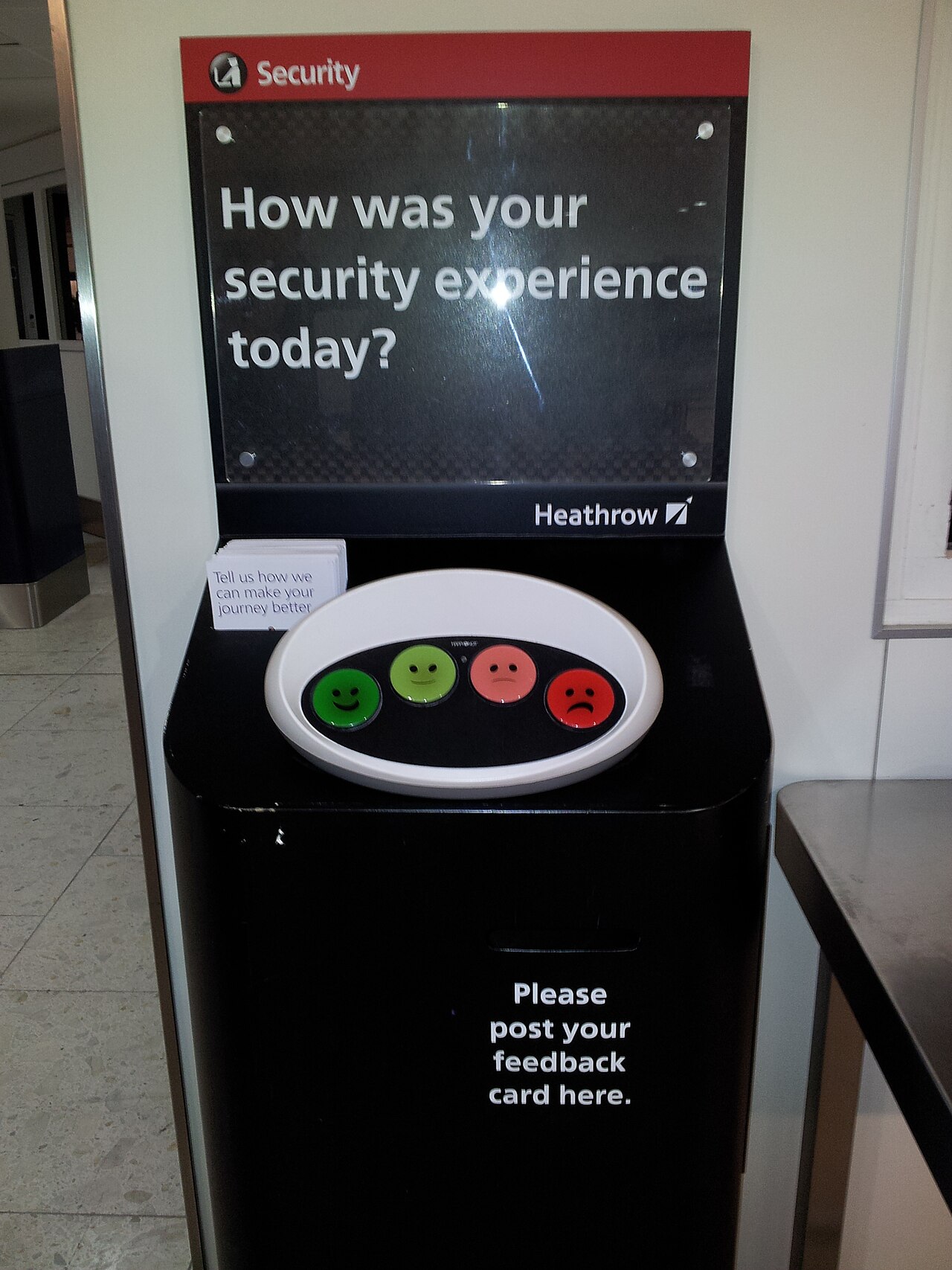
Every business collects some form of customer feedback, whether through surveys, reviews, support tickets, or conversations with the sales team. Yet many companies struggle to turn that feedback into better products. Comments get filed away, survey results sit in spreadsheets, and product decisions continue to be made on assumptions.
The businesses that improve fastest treat feedback as a working input rather than a report card. They look for feedback that comes from real use, learn from both the buyer and the end user, and act on what they discover quickly. In this article, four business leaders share how they use customer feedback to shape better products.
Why Acting on Feedback Matters
Collecting feedback is only valuable when it changes something. Businesses that act on feedback consistently see stronger retention, better product fit, and a reputation for listening. Customers notice when their input leads to real improvements, and that builds trust.
Build the Product Around the Customer’s Real Work
Customer feedback is most useful when it arrives attached to real work, says Scott Bergeron, co-founder of PSTrax, which builds checklist, inventory and controlled substance tracking software for fire and EMS agencies.
“The most useful customer feedback comes with the customer’s real work attached. Early on, we learned that fire departments need expert service together with flexible software, so each agency emails us the checklists and inventory documents it already uses, and we configure the system around them, usually within weeks. That keeps the product matched to how the agency works, shift after shift. Support and training come with the system.”
Treat Corrected Data as Product Feedback
For Ven Reddy, CTO of SutiSoft, feedback can also arrive as data. His team builds accounts payable automation software, and in SutiAP that data takes the form of corrected invoices.
“In accounts payable, customer feedback arrives as invoices. When the OCR in SutiAP is not fully confident, an expert validation team corrects the invoice, and the model retrains on those corrections. Suppliers whose invoices keep a clean accuracy history for 3 to 6 months route straight to draft without human review. The workflow side follows the same logic. Approval routing and coding dimensions are configured around each team’s structure at no extra cost, so product decisions start from the customer’s own invoices and approval paths.”
Collect Feedback From Both Buyers and End Users
Courtney Taylor, Co-Founder of Bundled, explains why businesses should gather feedback from everyone who experiences the product, not just the person who pays for it.
“A gift can look perfect to the person ordering it and still miss the mark for the person receiving it. That is why businesses should collect feedback from both sides of the experience. Ask clients whether the process was easy and aligned with their goals, then learn whether recipients found the gift useful, thoughtful, and relevant. Look for patterns across audiences before changing the offering.
Personalization and human connection are central to corporate gifting, using my own business as an example. Feedback helps companies move beyond sending more items toward creating gestures that people remember.”
Watch Customers Use Your Product, Then Ship the Fix Fast
Arthur Zargaryan, Co-Founder and CEO of Parcel Tracker, found that the most valuable product insight came from observing customers directly rather than asking them to fill in a survey.
“The most useful feedback we ever got didn’t come from a survey. It came from standing in a client’s mailroom scanning parcels with their staff, where edge cases show up within minutes. After one day of customer visits, we rebuilt our app’s UX in a week. Whether you build mailroom management software or anything else, watch people use it, then ship the fix fast.”
How Businesses Can Use Customer Feedback to Improve Their Products
Customer feedback is one of the most valuable tools businesses have for improving their products and understanding what customers actually need. Reviews, surveys, and direct conversations can reveal problems that internal teams may overlook, helping businesses prioritize improvements, refine features, and deliver better experiences. As Devon Howard, CEO of Andor Willow, explains:
“The most valuable customer feedback isn’t always the feedback that tells you what to change. Sometimes it’s the feedback that helps you understand why customers are using your product differently than you originally intended. Those insights can lead to improvements you would never have discovered by looking at sales data alone.”
Businesses that actively listen to customers and turn their feedback into meaningful changes can build stronger relationships, improve customer satisfaction, and create products that remain competitive over time.
The Best Tools for Collecting Customer Feedback
Businesses can gather feedback through a wide range of tools. Survey platforms make it easy to send short questionnaires after purchases or support interactions. In app feedback widgets capture opinions while customers are using a product.“Review platforms reveal public sentiment and recurring themes. Support software stores tickets that highlight common problems, while product analytics show how features are actually used. Customer interviews and user testing sessions provide deeper insight. The most effective approach combines several of these sources, giving teams a balanced view of what customers say and what they actually do.”
How to Prioritize Which Feedback to Act On
Jessica Shee from iboysoft.com says “Not every piece of feedback can or should lead to a product change. Teams need a clear way to decide what matters most. Useful questions include how many customers are affected, how serious the problem is, whether it affects revenue or retention, and how much effort a fix would require. Grouping similar feedback helps reveal patterns rather than reacting to individual comments. Aligning decisions with the product’s long term strategy prevents the roadmap from becoming a list of scattered requests. Clear prioritization helps businesses invest time where it creates the greatest value.”
Why Closing the Feedback Loop Builds Customer Loyalty
Customers are more likely to share feedback when they see that it leads to action. Closing the feedback loop means letting people know their input was heard and explaining what changed as a result. This can be done through personal replies, release notes, product update emails, or community posts. Even when a suggestion cannot be implemented, a thoughtful explanation shows respect. Closing the loop turns customers into partners in product development, strengthens loyalty, and encourages more useful feedback in the future, creating a cycle of continuous improvement.
A Simple Framework for Turning Feedback Into Product Improvements
Businesses can make feedback more actionable by following a few steps:
- Gather feedback from real use. Ask for the documents, workflows, and examples customers actually work with.
- Hear from every side. Include buyers, end users, and anyone else affected by the product.
- Treat corrections as data. Use fixes and exceptions to improve how the product works.
- Observe, do not just ask. Spend time watching customers use the product in their own environment.
- Look for patterns. Confirm that an issue is recurring before making major changes.
- Act quickly and close the loop. Ship improvements and let customers know their input made a difference.
Conclusion
Customer feedback becomes a powerful product tool when businesses look beyond surveys and focus on real work, real data, and real users. Companies that configure products around how customers operate, learn from corrections, listen to every stakeholder, and act quickly on what they observe build products that fit better and keep customers longer.