Iron-Rich Foods and Supplements for Steady Energy Throughout the Day
Iron-rich foods are essential for maintaining energy levels throughout the day. Incorporate a variety of sources to combat tiredness and support overall health.
Mid-afternoon slumps and constant tiredness are common complaints, and iron is one of the first nutrients worth considering. Iron plays a central role in how the body uses oxygen and produces energy, and low levels can leave you feeling drained. The good news is that a well-planned diet, and supplements where needed, can help keep iron levels where they should be. Here is how to get it right.
Why iron affects energy
Iron contributes to the normal formation of red blood cells and haemoglobin, which carries oxygen from the lungs to the rest of the body. It also contributes to normal energy-yielding metabolism and the reduction of tiredness and fatigue. When iron is low, less oxygen reaches the muscles and brain, which can lead to tiredness, poor concentration and breathlessness. Over time, low iron can develop into iron deficiency anaemia.
How much iron do you need?
The NHS guidance on iron recommends around 8.7mg a day for men over 18 and women over 50, and 14.8mg a day for women aged 19 to 50. Women with heavy periods may need more. Most people can meet their needs through diet with a little planning.
Haem and non-haem iron
There are two types of iron in food. Haem iron, found in meat and fish, is absorbed relatively easily. Non-haem iron, found in plant foods and fortified products, is absorbed less efficiently and is more affected by other foods eaten at the same time. Both types contribute to your intake, but people on plant-based diets need to pay closer attention to absorption.
The best iron-rich foods
Building iron-rich foods into meals across the day helps keep intake steady. Good options include:
- Red meat. Beef, lamb and pork are rich in haem iron. The NHS advises limiting red and processed meat to around 70g a day.
- Poultry and fish. Chicken, turkey, sardines and mackerel provide haem iron alongside protein.
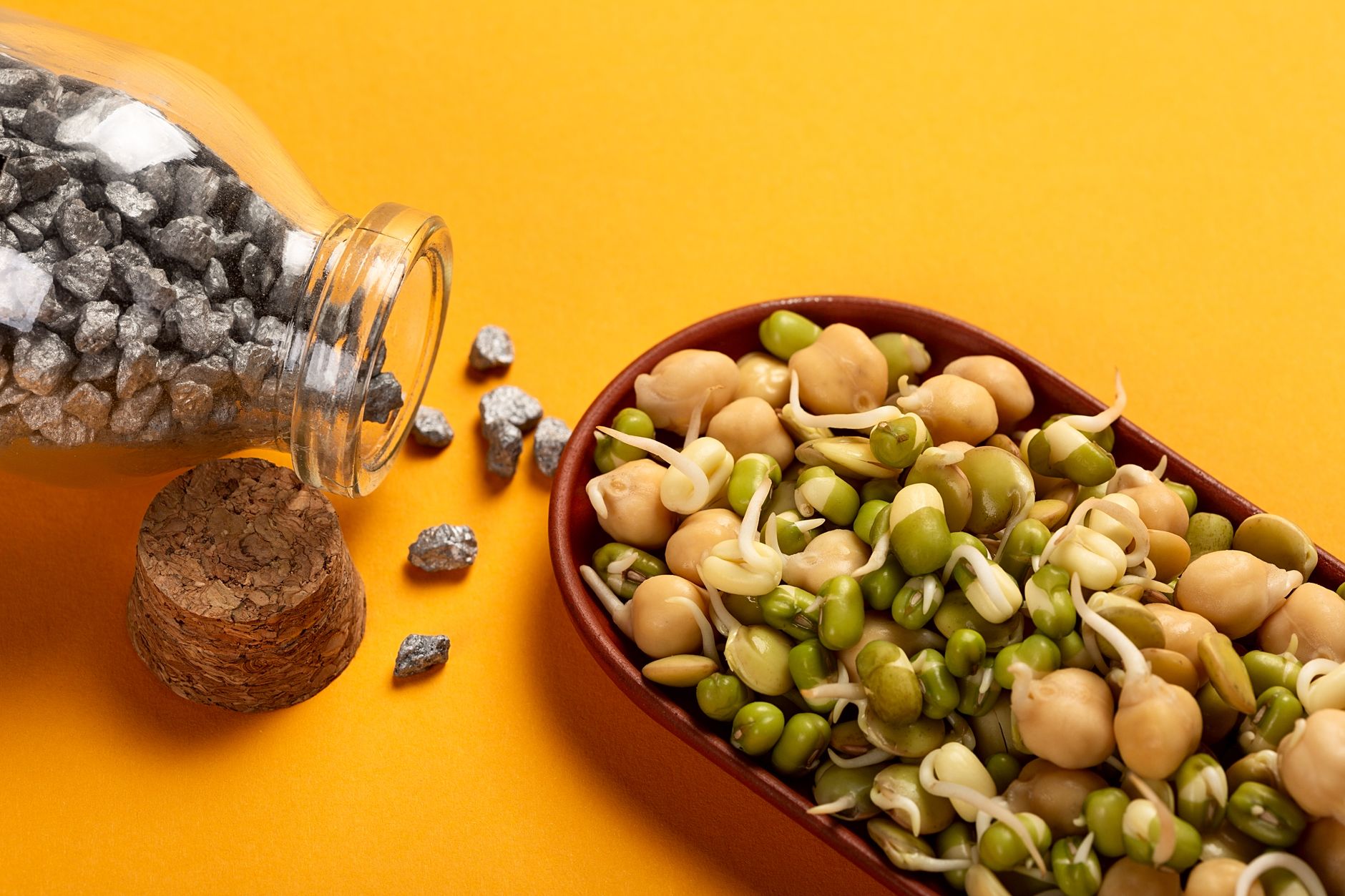
- Beans and pulses. Lentils, chickpeas, kidney beans and baked beans are excellent plant sources.
- Tofu and tempeh. Useful iron sources for vegetarians and vegans.
- Dark leafy greens. Kale, watercress and spring greens add iron along with other nutrients.
- Fortified cereals. Many breakfast cereals are fortified with iron, making them an easy morning option.
- Nuts, seeds and dried fruit. Pumpkin seeds, cashews, dried apricots and raisins make iron-rich snacks.
Liver is very high in iron but also high in vitamin A, so pregnant women are advised to avoid it. The British Dietetic Association’s iron fact sheet has more ideas for increasing iron through food.
Planning meals for steady energy
Spreading iron-rich foods across the day helps more than relying on a single meal. A fortified cereal with berries at breakfast, a lentil soup or chicken salad at lunch and a bean chilli or salmon with greens at dinner gives a steady supply. Pair plant sources with vitamin C, such as peppers, tomatoes, citrus fruits or broccoli, to boost absorption. Keep tea and coffee for between meals, as they reduce iron absorption when drunk alongside food.
When supplements can help
Diet is not always enough. People with heavy periods, pregnant women, vegans, frequent blood donors and endurance athletes are more likely to have low iron. If you suspect your levels are low, ask your GP for a blood test before starting supplements. If a supplement is appropriate, choose a gentle form and a sensible dose. Well-tolerated iron tablets can help top up intake alongside a balanced diet, especially when taken with vitamin C and away from tea, coffee and calcium.
Other habits that support energy
Iron is only one part of the energy picture. Regular meals, good hydration, sleep, physical activity and managing stress all affect how energetic you feel. Balancing meals with protein, fibre and wholegrains helps avoid the peaks and dips that come with sugary snacks.
Safety notes
The NHS advises that 17mg or less of iron a day from supplements is unlikely to cause harm, unless a doctor has prescribed more. Too much iron can cause constipation, nausea and stomach pain. Keep supplements out of reach of children, as iron overdose is dangerous for them.