Easier Gardens for Busy Professionals
The garden is oblivious that you have had a tough week. The grass continues to grow, the weeds continue no matter what you do, and roses definitely are not counting your days before they vote…
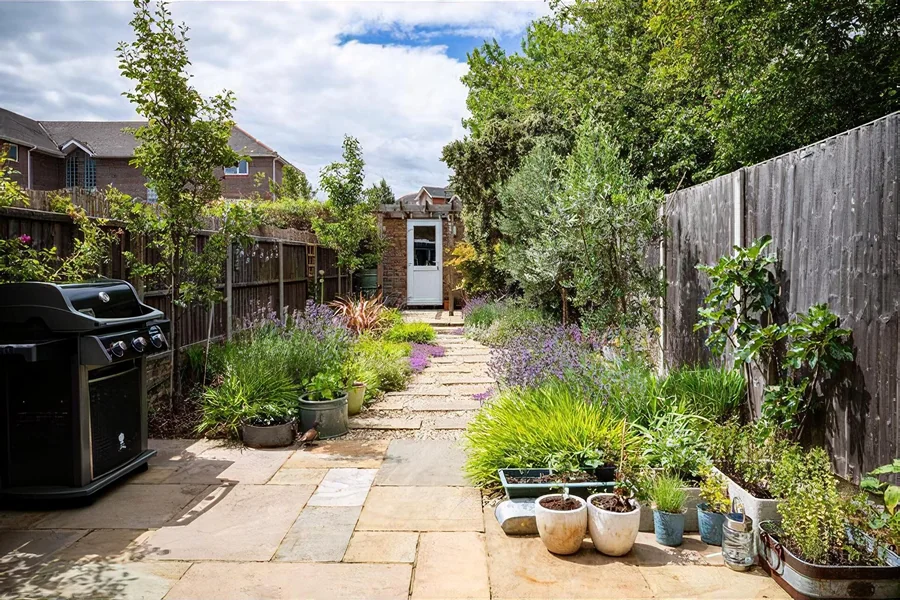
The garden is oblivious that you have had a tough week. The grass continues to grow, the weeds continue no matter what you do, and roses definitely are not counting your days before they vote that it’s time to bloom again.
Unless your weekends are spent exploring other pursuits that are more quick and dynamic, hours in the garden would be low on your list of wants.
Fortunately, it is not that a pretty garden requires all your attention. The garden must not give you an addition to your list of things to do, but rather make you relax after work. And to find out how you might make Sundays easier, read on!
Design Your Garden Around Your Schedule
The key to having the worry-free garden begins way before you pick up your first plant. It starts with the designing of a realistic-to-keep space.
Rather than planting in all corners; consider how much time you really wish to have out of doors before a trowel.
Bigger planting beds tend to be simpler to tend than numerous tiny ones, whereas plain curves and straight boundaries tend to be simpler to clip as compared to more detailed forms. Maintaining a reasonable size of lawns also translates to less mowing during the growth period.
Weeds are not the gardens that contain the least plants. It is the one that has fewer requirements each weekend.
Choose Plants That Want to Be There
Some plants are wonderfully independent. Others behave like toddlers who need constant supervision.
Choosing plants that suit your garden’s soil, sunlight, and climate is one of the biggest time-savers you’ll ever discover. Gardeners have repeated the phrase “right plant, right place” for generations because it works.
For sunny spots, lavender, salvias, sedums, and ornamental grasses reward you with colour while asking for very little in return.
Shadier gardens suit hardy geraniums, ferns, hellebores, and evergreen shrubs that provide interest throughout the year. Native plants are another excellent choice because they’re already adapted to local conditions and often cope better with changing weather.
When plants are happy where they’re growing, you’ll spend less time watering, feeding, moving, and replacing them.
Stop Weeds Before They Start
The majority of gardeners do not like weeding. Luckily, you can reduce the job considerably, before the first weed even shows up.
The organic mulch is abundantly applied where it assists the soil to retain moisture, discourage the growth of weeds and in the long term it enhances soil quality through decomposition.
Planting the borders closely leaves also leave bare areas where weeds can colonise and the close edging prevents the unit grass infiltrating into flower beds.
Nature would rather be filled than it would be weeded. Plants that you want to proliferate should have space and they will do much of the task on their part.
Let Water Do the Heavy Lifting
The necessity to drag a hose all night around the garden is soon outgrown.
The drip irrigation and soaker hose provide water to the roots of plants eliminating waste but maintaining healthier plants. Do combine them with a timer and a large part of the work takes place automatically.
The next easy measure to use rain water as a resource actually is simply gathering the rainwater in a water butt so that one can maximize the use of the unpredictable weather in Britain.
Plants that have the same watering requirements are also grouped together and save time. You can water the whole length of a border at a time, as opposed to each border being handled on its merits.
Extensive but less frequent watering promotes better root systems that enable the plants to survive longer during dry periods.
Build Structure That Looks Good All Year
Flowers may steal the show in summer, but they’re only part of the performance.
Evergreen shrubs, ornamental grasses, attractive paving, gravel paths, and raised beds provide structure that keeps the garden looking tidy throughout the year. Even in the middle of winter, a well-designed garden should feel intentional rather than forgotten.
Repetition helps too. Using the same plants or materials in different parts of the garden creates a calm, balanced look that’s pleasing to the eye without requiring dozens of different species to maintain.
Let Technology Lend a Hand
Gardening could be one of the oldest pastimes in existence, but that does not imply you can not use a bit of assistance offered by technology.
Lawn mowers that run on battery are less noisy, lightweight and they demand very minimal maintenance in comparison with the petrol mowers.
With smart irrigation controllers it is now possible to set watering times according to the weather and with moisture sensors you do not even have to guess when to turn on the water and when the plants need more water.
A simple gardening app can ensure you do not need to use memory after a tireless week at work, and remember when you need to prune, feed or plant a particular plant.
Technology does not take away good gardening practices, but it will cut a lot of the tedious work that takes up weekend time. Imagine that you have two more hands that do some operations in the background and you play in the garden.
Let Plants Work Together
Nature will never afford bare ground much time and neither does your garden.
Planting plants of various heights allows the border to look fuller and healthier and will need less maintenance. Higher shrubs offer some shelter, middle-based perennials occupy the middle and low-growing ground cover aims at shading the soil, thus keeping the weeds at bay and moisture in the soil longer.
It is an easy concept and a payoff. Rather than having each plant vying to be heard, they collaborate to form a balanced display, which is easier to manage all through the year.
Accept That Perfect Gardens Don’t Exist
The social media has misled a number of individuals that gardens must appear perfect all the year round. Other ideas are captured in real gardens.
Leaves fall. Flowers finish blooming. After a week of rain, there are some weeds. That’s perfectly normal.
Instead of pursuing perfection, seek a healthy and friendly environment. A slightly loose garden seems to be more inviting than a trimmer that is neatened close up to its fingernails. After all, it’s there to be lived in, not judged.
The greatest garden is the one which you can leave untended a fortnight and still be pretty.
Call in Help for the Bigger Jobs
Even low-maintenance gardens benefit from a helping hand now and then.
Seasonal jobs such as hedge trimming, lawn renovation, pruning mature shrubs, and autumn leaf clearance can take far longer than routine weekly maintenance.
Tackling these larger tasks professionally helps keep the garden in excellent condition without demanding every spare weekend.
Experienced gardeners in Chiswick can handle these bigger projects efficiently, leaving you with straightforward jobs like watering containers, deadheading flowers, or enjoying your morning coffee while admiring someone else’s hard work.
Conclusion
A beautiful garden doesn’t have to come at the expense of your free time.
Just design with maintenance in mind. Choose plants that thrive naturally, prevent weeds before they take hold, and create year-round structure. You can then enjoy an outdoor space that looks good without constant effort.
A little planning goes a long way, and occasional professional support can make life even easier. The whole point of a garden is to spend time in it, not spend all your time working on it.