The Cummins Story: How an Engine Became a Truck Legend
The Cummins story showcases how a visionary mechanic transformed diesel engines into a truck legend, creating a loyal fanbase and lasting impact on the…
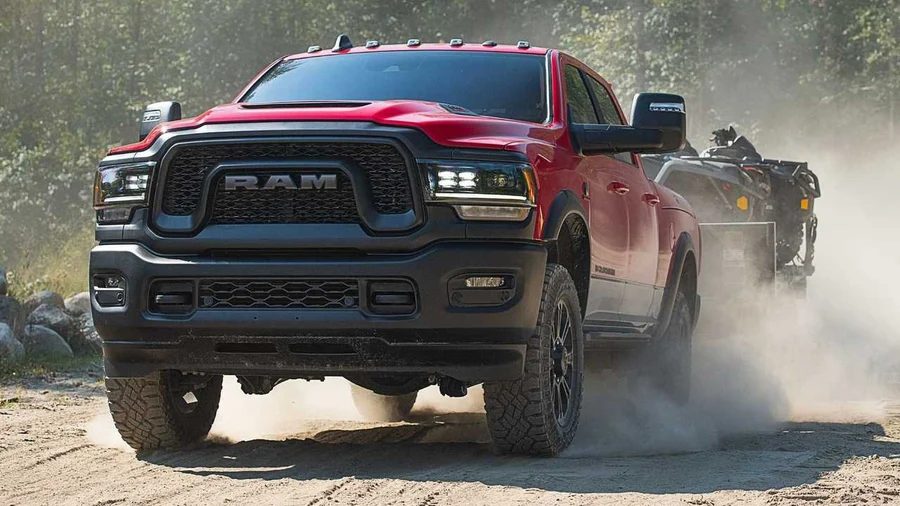
The Cummins diesel became a truck legend through a mix of stubborn engineering, publicity stunts and one game-changing partnership. Founded by Clessie Cummins in Columbus, Indiana, in 1919, the company proved diesel’s potential by running a Cummins-powered car through the 1931 Indianapolis 500 without a single pit stop. Decades later, Dodge put the Cummins 5.9-litre inline-six into its Ram heavy-duty pickups for the 1989 model year, creating a combination known for durability, torque and loyal fans. Today, “Cummins” is one of the few engine names that sells a truck all by itself.
Most people buy a truck. Cummins fans buy an engine with a truck around it.
A Mechanic With a Big Idea
Clessie Cummins was a self-taught mechanic who believed diesel engines could power more than ships and factories. With financial backing from Columbus banker William G. Irwin, he founded Cummins Engine Company in 1919.
In its early years, the company struggled. Diesel engines were seen as heavy, noisy and impractical for everyday vehicles. Cummins needed a way to show the world what they could do.
The Indy 500 Stunt
In 1931, Cummins entered a diesel-powered race car in the Indianapolis 500. It didn’t win, but it made history by completing the entire race without stopping for fuel, a remarkable demonstration of efficiency.
The stunt, along with endurance runs and record attempts, helped change public perceptions of diesel. Cummins engines went on to power trucks, buses, construction equipment and generators around the world. The company’s own history and heritage remain central to its brand story today.
The 1989 Partnership That Changed Pickups
The defining moment for many truck fans came when Dodge introduced the Cummins 5.9-litre turbo-diesel inline-six in its Ram heavy-duty pickups for the 1989 model year.
At a time when many pickup engines were built for everyday driving rather than heavy work, the Cummins brought strong low-end torque, mechanical simplicity and a reputation for durability. Owners quickly discovered it could tow heavy loads and rack up big mileage.
Generations Fans Still Talk About
|
Generation |
Engine era |
Why fans remember it |
|
Early 12-valve |
Late 1980s to late 1990s |
Mechanical simplicity and toughness |
|
24-valve |
Late 1990s to early 2000s |
More power and refinement |
|
Common-rail 5.9 |
Early to mid 2000s |
Improved performance and smoothness |
|
6.7-litre |
Late 2000s onwards |
Greater power for modern towing demands |
Many enthusiasts have a favourite generation, and debates about which is “best” are a staple of truck forums and car shows.
From Work Truck to Culture Icon
The Ram Cummins became more than a tool for farmers and contractors. It became part of truck culture:
- Builds shown off at truck shows and meets
- Towing videos shared across social media
- Restoration projects of early models
- Performance builds with upgraded turbos and injectors
- High-mileage stories that owners proudly share
For many owners, a Cummins-powered Ram is part of their identity, passed down through families or kept for decades.
Why the Legend Lasts
Several qualities help explain the engine’s lasting appeal:
- Torque that makes towing feel easy.
- Durability with proper maintenance.
- Straightforward design in earlier generations.
- A huge aftermarket for parts and upgrades.
- Strong resale value among enthusiasts.
That combination keeps many older trucks on the road long after other vehicles from the same era have disappeared.
Keeping a Cummins Ram on the Road
Long life depends on regular care. Owners commonly focus on:
- Clean fuel and fuel filters
- Regular oil changes
- Cooling system maintenance
- Monitoring boost and exhaust temperatures on modified trucks
- Replacing worn sensors, hoses and seals
When parts wear out, choosing components designed for the right engine generation matters. Specialist suppliers such as Diesel Patriots carryCummins Ram parts and upgrades for different model years, helping owners maintain or improve their trucks.
Mods: Respect the Rules
Performance upgrades are part of diesel culture, but owners should always check local emissions and inspection rules before modifying a truck. What’s allowed varies by state, and some changes may not be legal for road use.
Common Mistakes Owners Make
Cummins owners sometimes:
- Skip fuel filter changes
- Ignore small leaks
- Push modifications without supporting upgrades
- Overlook cooling system health
- Use parts that don’t match their engine generation
An Engine With a Fan Club
Few engines inspire the kind of loyalty Cummins does. From Clessie Cummins’ early experiments and the 1931 Indy 500 run to the Ram pickups that defined heavy-duty trucks, the story is one of persistence and performance.
Look after it well, and a Cummins Ram can become more than a truck. It can become a legend in your own driveway.