Movie and TV Gadgets That Became Everyday Tech
Many gadgets that became everyday tech were once mere fiction, from smartwatches to video calls, showcasing how pop culture predicts our future devices.
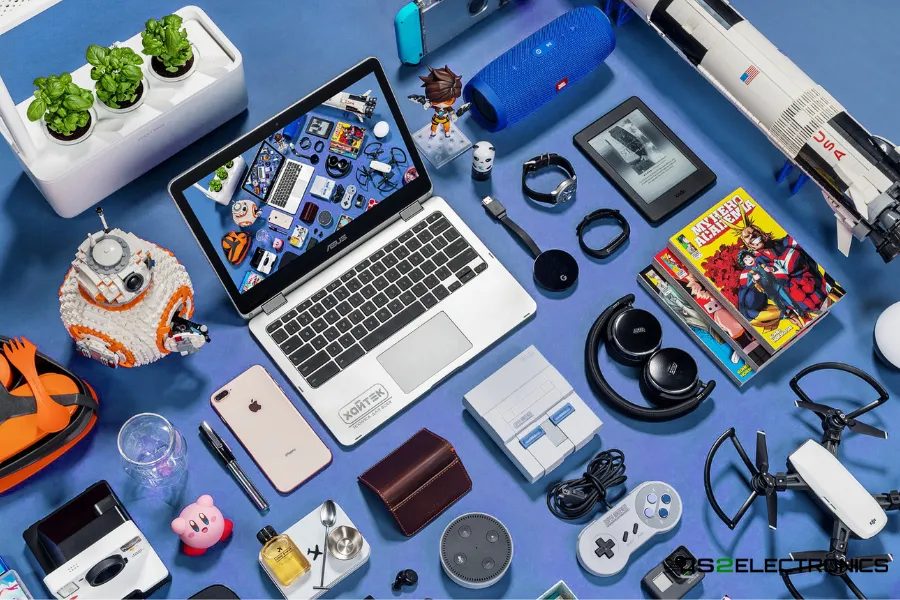
Many gadgets that once looked like pure science fiction on screen are now ordinary parts of daily life. Wrist communicators in comic strips foreshadowed smartwatches, video calls in classic cartoons and films became standard on phones and laptops, tablet-like devices appeared in 1960s cinema decades before real ones arrived, and talking cars inspired the voice assistants many people use today. Not every prediction came true, and some arrived in different forms, but pop culture has repeatedly offered a glimpse of the technology people would eventually carry in their pockets.
Yesterday’s special effects are today’s shopping list.
When Fiction Gets There First
Writers and designers of science fiction often imagine technology by asking a simple question: what would make life easier, faster or more exciting? Sometimes those ideas inspire real inventors. Other times, technology simply catches up with the imagination.
Either way, many devices now considered routine first reached mass audiences through films, television and comics.
The Wrist Communicator
Long before smartwatches, comic strip detective Dick Tracy began using a two-way wrist radio in the 1940s. The idea of talking into a watch seemed futuristic and slightly absurd at the time.
Today, smartwatches can make calls, send messages, track fitness, monitor heart rate and display notifications. The original comic gadget may have been simple, but its core idea, communication on your wrist, became reality.
Video Calls Become Normal
Video calling appeared repeatedly in science fiction. The Jetsons (1962) imagined families chatting through screens, while 2001: A Space Odyssey (1968) showed a character making a video call from space.
For decades, video calls remained expensive or impractical for most people. Now they are part of everyday work, education and family life, available on phones, tablets and laptops almost anywhere.
Tablets Before Tablets
2001: A Space Odyssey also featured flat, tablet-like screens used to watch content during meals. Many viewers today notice how closely those devices resemble modern tablets.
Real tablets became widely popular only in the 2010s, but the film showed audiences more than 40 years earlier how portable flat screens might fit into daily routines.
The Talking Car
In the 1980s television series Knight Rider, a car called KITT could talk, respond to commands and assist its driver. It was one of the most memorable gadgets on television.
While cars aren’t quite as chatty or independent as KITT, voice assistants are now common in vehicles and homes. Drivers can ask for directions, play music or make calls without touching a screen.
Self-Lacing Shoes
Back to the Future Part II (1989) imagined the year 2015, complete with self-lacing sneakers. For years, fans hoped the shoes would become real.
In 2016, Nike released a limited edition of power-laced Nike Mag sneakers inspired by the film. While not exactly an everyday product, it showed how strongly pop culture can influence design and consumer expectations.
Screen Predictions vs Reality
|
On screen |
Original appearance |
Real-world version |
|
Wrist communicator |
Dick Tracy comics |
Smartwatches |
|
Video calls |
The Jetsons, 2001: A Space Odyssey |
Video chat apps |
|
Tablet screens |
2001: A Space Odyssey |
Tablets and e-readers |
|
Talking car |
Knight Rider |
In-car voice assistants |
|
Self-lacing sneakers |
Back to the Future Part II |
Limited power-laced shoes |
|
Robot helper |
The Jetsons |
Robot vacuums and smart home devices |
|
Gesture screens |
Minority Report |
Touchscreens and gesture controls |
Robot Helpers
The Jetsons also introduced Rosie the Robot, a household helper who cleaned and cooked. Fully humanlike household robots remain rare, but robot vacuum cleaners, smart speakers and automated appliances have taken over many everyday tasks.
The reality is less dramatic than television imagined, but much more practical.
Why Tech Fans Love These Stories
Seeing fictional gadgets become real reminds us how quickly technology changes. Devices once reserved for heroes or futuristic families are now available to almost anyone.
Museums and historians track this evolution closely. The Computer History Museum explores how computing devices developed over time, showing how ideas once considered futuristic gradually became part of everyday life.
Bringing Screen Tech Home
Today, many of these once-fictional devices are easy to find. Smartwatches, headphones, smart lighting, tablets and home gadgets fill online stores. Shoppers in Switzerland can browse everyday gadget picks on pandaloo.ch, which carries electronics alongside household and lifestyle products, a reminder of how ordinary yesterday’s science fiction has become.
Predictions That Haven’t Arrived Yet
Not every screen gadget has made the leap into reality. Fans are still waiting for:
- Hoverboards that truly float
- Flying cars for everyday commuting
- Teleportation
- Fully humanlike household robots
- Food replicators
Some may arrive in unexpected forms. Others may remain firmly in the realm of imagination.
Fiction as a Glimpse of the Future
Movies and television have often offered surprisingly accurate previews of the technology people use today. From smartwatches and video calls to tablets and voice assistants, many fictional gadgets have become everyday tools.
The next time a film shows an impossible device, it may be worth paying attention. It could be tomorrow’s must-have gadget.