From One Photo to a 30-Second Fashion Story with Seedance 2.5: A Practical Workflow for Creators
Photo Second: A strong fashion photograph already contains choices about character, color, texture, and attitude. Turning it into motion is less about…
A strong fashion photograph already contains choices about character, color, texture, and attitude. Turning it into motion is less about making every object move and more about deciding what the viewer should notice over time. With Seedance 2.5, one approved key visual can become the starting point for a short editorial story, provided the creator plans the sequence and reviews the result as carefully as a conventional edit.
This walkthrough follows a fictional but realistic assignment: a 30-second social feature for an independent stylist. The final duration is an editing target, not a promise that one generated draft will arrive at exactly that length. The creator may select, trim, combine, or replace material to build the finished piece.
The key visual and its permissions
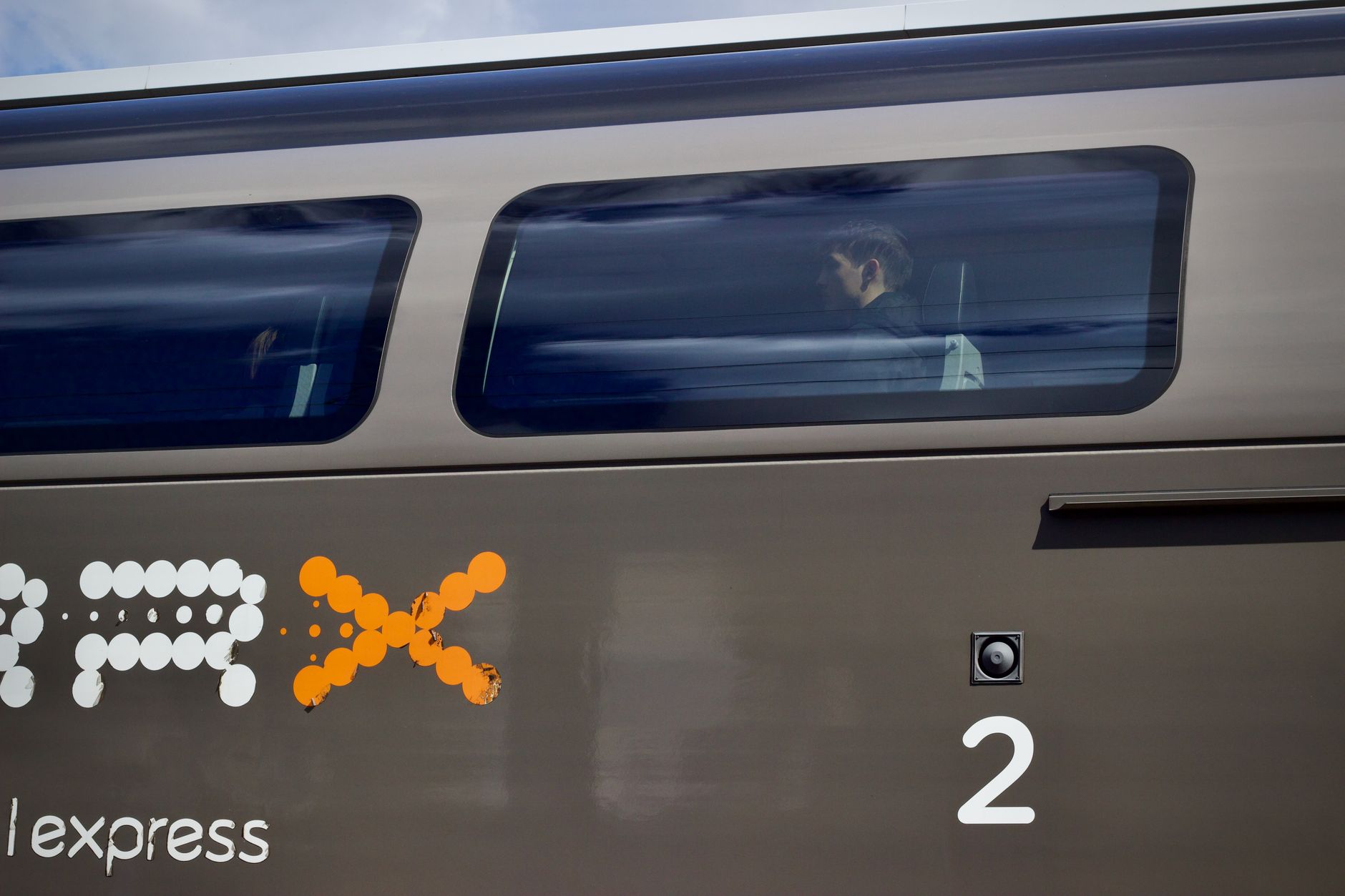
The source photograph shows a model seated at a chrome diner counter in a cobalt suit and an orange silk scarf. Morning light falls across pale tiles, while a cup and folded newspaper create quiet lifestyle detail. The photographer, stylist, and model have approved the image for this project, and the suit and scarf are unbranded samples.
Before any creative work, confirm who owns the photograph, whether the model’s release covers synthetic animation, and where the resulting video may appear. Check the background for artwork, product packaging, signs, or recognizable faces. A small label that seems incidental in a still can become more prominent once the frame moves.
Make a clean working copy without editorial text. Preserve an untouched master and record the crop, color profile, and intended aspect ratio. If the project needs a designer name, price, event date, or other exact wording, plan to add it later with standard graphics rather than asking the generated image to reproduce it.
Write one motion intention
The motion intention for this story is “a quiet morning becomes a moment of self-possession.” That sentence is specific enough to guide pace but open enough to allow visual exploration. It does not ask the model to change outfit, location, or identity. It describes an emotional transition visible through timing, posture, and attention.
Create a short continuity note: cobalt suit stays cobalt, orange scarf remains the color accent, the diner keeps its pale-tile and chrome character, and the model’s appearance must remain acceptably recognizable. Then define movements that serve the intention: a subtle shift from stillness, a controlled turn toward window light, and a final composed look. Avoid stacking gestures, camera moves, changing weather, and new props into the same request.
Shape the opening atmosphere
The opening should establish place before demanding action. Begin with the source image’s quiet geometry: chrome edge, tiled wall, soft light, and the model held in an uncluttered frame. A slight camera drift or gradual change in focus can create anticipation. The newspaper and cup are supporting details, not plot points.
At this stage, the Seedance 2.5 image-to-video process should remain close to the original photograph. Generate restrained alternatives and compare how each treats the suit silhouette, scarf, face, and diner lines. Select an opening because it preserves the visual premise, not because it introduces the most movement.
Develop subject movement without changing the story
The middle section carries the emotional change. The model can raise their gaze, settle the jacket line, or turn slightly toward the brighter side of the frame. Choose one primary action. Small, readable movement is often more useful than a busy performance when a single still must anchor identity and wardrobe.
Review hands, facial structure, lapels, scarf edges, cup placement, and reflections through the entire candidate sequence. A frame can feel elegant at normal speed while a garment seam travels or an object briefly duplicates. Reject a draft if the correction would draw more attention than the original problem.
The edit can cut before a weak moment rather than forcing every generated second into the final story. If two candidates preserve different useful beats, test a transition between them, but watch for a jump in face, body position, light direction, or background geometry. Continuity matters more than using the largest amount of material.
Design a closing frame with purpose
The closing frame should resolve the motion intention and leave the viewer with a clear editorial image. For this example, the model holds a composed position while the orange scarf becomes the final color accent. Negative space on the tiled wall can support a title or credit added in post-production.
Do not rely on the generated scene for exact typography or a recognizable brand mark. Build the closing card from approved graphic assets, then check contrast, safe areas, and reading time on the intended platform. If the piece will loop, compare the closing posture with the opening and decide whether the return feels deliberate.
Assemble and review the 30-second cut
Place the selected material on a simple timeline: atmosphere, development, resolution. Adjust duration according to the story rather than dividing the time mechanically. The opening needs enough space to establish the diner, the middle needs enough time for the change to register, and the closing needs enough time for any verified title or credit to be read.
Sound should support, not rescue, the pictures. Use music or ambience that is owned, licensed, or otherwise cleared for the intended use. Keep proof of the permission with the project. Check the cut once with sound and once muted; the visual story and captions should remain understandable in a silent feed.
Run a final rights and accuracy review. Confirm the photograph and likeness permissions, screen the outfit and background for trademarks or visible labels, verify every credit, and remove any invented detail that could be mistaken for fact. Ask the photographer, stylist, and commissioning editor to review the actual export rather than a previous draft.
What this case study demonstrates
Seedance 2.5 can help a creator explore motion from one image, but the finished fashion story still depends on source choice, restrained direction, selective editing, and accountable approval. The workflow does not guarantee that identity, fabric, props, or setting will remain exact in every attempt.
The successful outcome is not simply thirty seconds of movement. It is a concise visual idea in which the opening atmosphere, subject movement, and closing frame feel related to the original photograph. When the source is permitted and the review is disciplined, a single key visual can support an editorial story without losing sight of the people and rights behind it.