What Kind of Battery Does an RV or Camper Need?
Kind Battery: RVs and campers rely on batteries for much more than simply starting an engine. Depending on the type of recreational vehicle, batteries may…
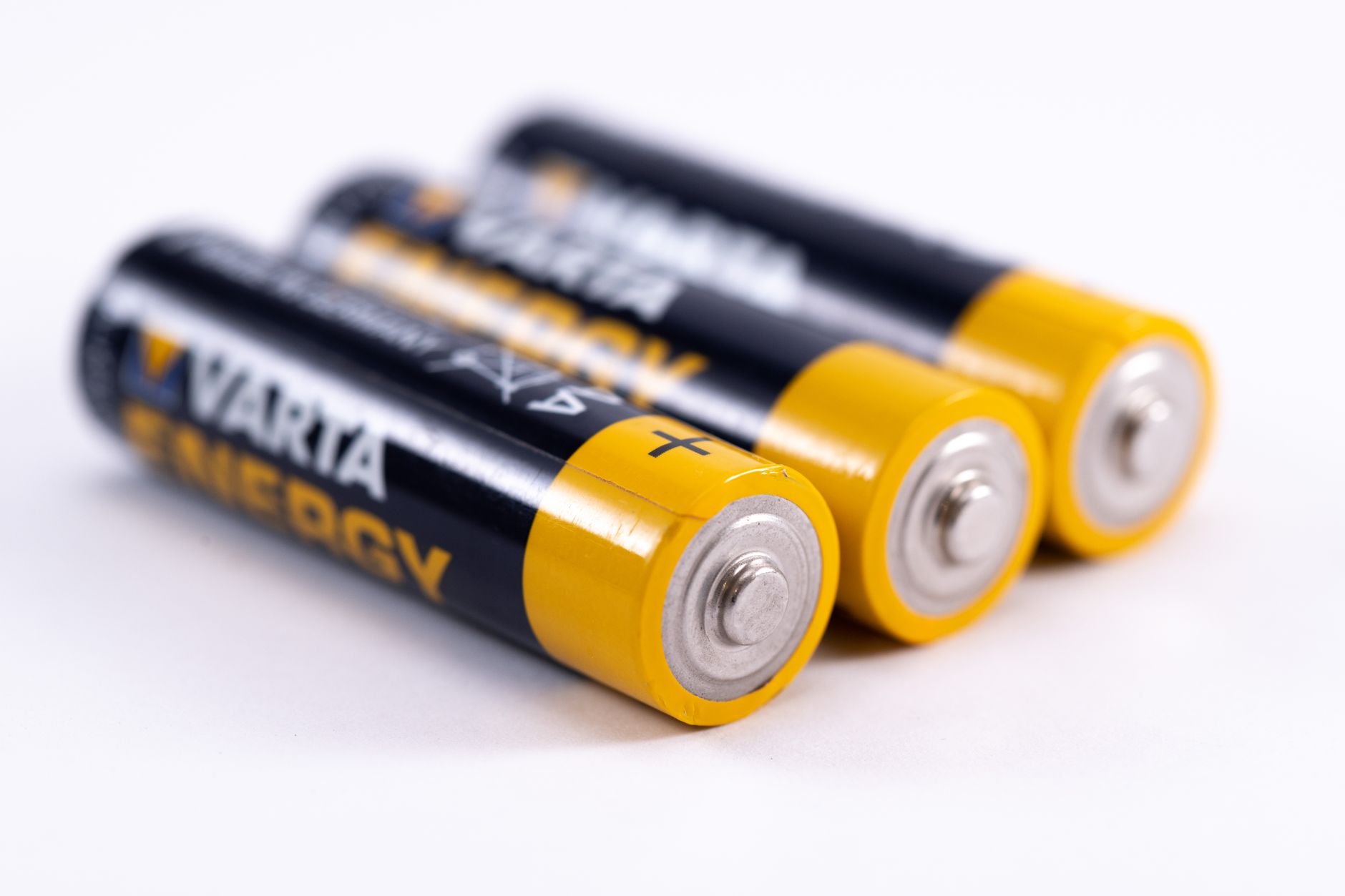
RVs and campers rely on batteries for much more than simply starting an engine. Depending on the type of recreational vehicle, batteries may provide power for interior lights, water pumps, refrigerators, fans, entertainment systems, slide-outs, and other electrical equipment when the vehicle is not connected to shore power. Choosing the right battery therefore depends on how the RV is designed and how it will be used.
Many motorized RVs use both a starting battery and one or more house batteries. The starting battery functions similarly to the battery in a car or truck, supplying a short burst of power to start the engine. House batteries are designed to provide steady electrical power over a longer period of time. Travel trailers and towable campers generally rely primarily on house batteries because they do not have their own engines.
Selecting the right rv battery begins with understanding the battery type, size, voltage, capacity, and specifications recommended for the RV. Deep-cycle batteries are commonly used for house power because they are designed to handle repeated charging and discharging more effectively than traditional starting batteries.
Battery requirements can vary greatly depending on the size of the camper and the amount of electrical equipment being used. A small travel trailer with basic lighting may have very different power needs than a large motorhome equipped with multiple appliances and electronic systems. Reviewing the RV owner's manual and existing battery setup is a good starting point before purchasing a replacement.
Practical Gear Can Make RV Travel More Convenient
Having the correct battery is important, but batteries are only one part of preparing an RV for comfortable travel. A well-equipped camper can make setting up at a campsite, managing utilities, storing gear, and handling unexpected maintenance much easier.
Different battery technologies are available for RV applications. Flooded lead-acid batteries are a traditional option that can provide dependable performance but may require periodic maintenance. Absorbent glass mat batteries are sealed and generally require less maintenance. Some RV owners also use lithium-based batteries, particularly when they want greater usable capacity or frequently camp without electrical hookups.
Regardless of battery type, capacity is an important consideration. Battery capacity is commonly measured in amp-hours, which indicates approximately how much electrical energy the battery can store. Campers who regularly stay at sites with electrical hookups may not require as much battery capacity as travelers who spend several days camping away from shore power.
Before upgrading to a different battery technology or increasing battery capacity, owners should make sure the RV's charging equipment is compatible. Converters, chargers, solar systems, and other electrical components may have specific charging requirements. Installing a battery that does not match the existing system can prevent it from charging correctly or reduce its useful lifespan.
Battery condition should also be inspected before a long trip. Loose connections, corrosion around terminals, damaged cables, or an aging battery can create electrical problems at inconvenient times. Checking these areas before departure can help identify issues while the RV is still at home and easier to service.
Keeping useful rv accessories available can also make everyday travel more convenient. Depending on the type of trip, useful equipment may include electrical adapters, leveling equipment, towing supplies, storage accessories, cleaning products, exterior equipment, and maintenance tools.
Organization becomes particularly important during longer trips. RV owners often carry tools, hoses, electrical cords, camping equipment, food, outdoor furniture, and personal belongings in limited storage areas. Keeping frequently used items accessible can reduce setup time at each destination and make it easier to find equipment when a quick repair or adjustment is needed.
A basic tool kit can also be useful. Screwdrivers, sockets, adjustable wrenches, pliers, electrical testing equipment, tire pressure gauges, flashlights, and replacement fuses can help with simple maintenance while traveling. Owners do not need to carry equipment for every possible repair, but having tools for common adjustments and inspections can prevent minor issues from disrupting a trip.
Preparing Your RV Before a Long-Distance Trip
Long-distance RV travel places additional demands on batteries, tires, towing equipment, brakes, and other mechanical systems. A pre-trip inspection can help reduce the chances of encountering a preventable problem hundreds of miles from home.
Battery inspection should be one of the first items on the checklist. Owners should confirm that batteries are securely mounted and that terminal connections are tight and free of excessive corrosion. Battery charge should also be checked, particularly if the RV has been parked for an extended period.
For RVs with separate starting and house batteries, both systems deserve attention. A healthy house battery does not guarantee that the engine battery is ready to start the vehicle after storage. Likewise, a strong starting battery does not mean the camper's electrical equipment will have enough stored energy for overnight use.
Tire condition is another critical area. RVs and trailers can sit unused for long periods, which means tire age and condition may be important even when tread depth appears acceptable. Owners should inspect tires for cracks, bulges, unusual wear, and proper inflation before traveling. Spare tires should be checked as well.
Fluid levels should also be reviewed on motorized RVs and tow vehicles. Engine oil, coolant, brake fluid, transmission fluid, and windshield washer fluid are common areas to inspect. Owners should also look underneath the vehicle for leaks and pay attention to unusual smells or stains.
Braking systems deserve additional attention when towing. Trailer brakes, brake controllers, wiring connections, and emergency breakaway equipment should all operate correctly before departure. Drivers towing a camper should confirm that the tow vehicle is rated for the trailer's weight and that cargo is loaded appropriately.
The connection between the tow vehicle and trailer is another important safety consideration. The correct trailer hitch setup should be compatible with the vehicle, trailer, and expected towing load. Hitch components, couplers, safety chains, pins, wiring, and related hardware should be inspected for wear or damage before a trip.
Lights should also be tested while the trailer is connected. Brake lights, turn signals, running lights, and hazard lights help other drivers understand what the tow vehicle and trailer are doing. Electrical connector problems can sometimes prevent trailer lights from operating correctly even when the bulbs themselves are in good condition.
Inside the RV, travelers can test appliances, water systems, propane equipment, interior lighting, and other equipment they expect to use. Discovering a problem with a refrigerator, water pump, or electrical outlet before departure provides more time to correct it.
Planning for how the battery will be recharged is also important. Travelers staying at developed campgrounds may rely primarily on shore power, while those camping remotely may use solar panels, generators, or other charging methods. Understanding expected energy use can help owners avoid unexpectedly draining their house batteries.
Conclusion
The right battery for an RV or camper depends on the vehicle's electrical system and how the owner plans to travel. Motorized RVs may require separate starting and house batteries, while towable campers primarily depend on batteries designed to provide steady power for onboard equipment. Battery type, voltage, capacity, physical size, and charging compatibility should all be considered before selecting a replacement.
Battery preparation should also be part of a larger pre-trip maintenance routine. Checking tires, fluids, brakes, lights, towing equipment, electrical connections, and commonly used camping equipment can help make long-distance travel more predictable.
By understanding the RV's power requirements and inspecting important equipment before departure, travelers can reduce the likelihood of battery or towing problems during a trip. Good preparation makes it easier to focus on the destination instead of unexpected maintenance and helps keep the RV ready for everything from weekend camping trips to extended road travel.