How the Open Air G Class Became a Pop Culture Favorite
Some vehicles become famous because they are fast. Others become recognizable because a celebrity owns one or a movie gives them a memorable role. The open-air G-Class has followed a different path. Its appeal comes…
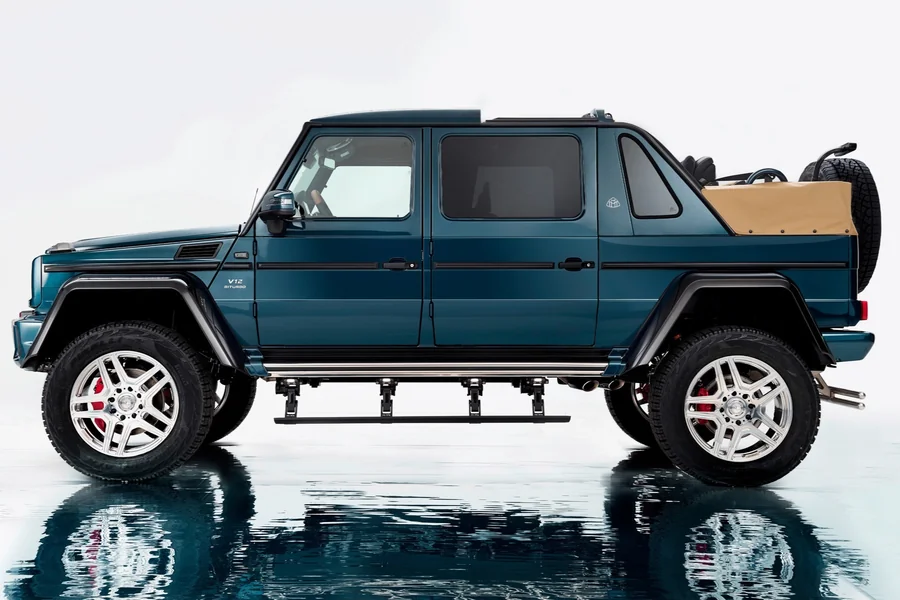
Some vehicles become famous because they are fast. Others become recognizable because a celebrity owns one or a movie gives them a memorable role. The open-air G-Class has followed a different path. Its appeal comes from a visual contradiction: a tough, military-inspired truck that somehow looks perfectly comfortable in a resort town, outside a fashion event or cruising through a music video culture.
That contrast makes it useful in pop culture. The upright body reads clearly on camera, while the open roof adds movement and access to the people inside. It feels adventurous without disappearing into the background, and luxurious without looking as formal as a limousine or exotic sports car.
A shape made for the screen
Entertainment images need silhouettes that audiences can recognize quickly. The G-Class delivers that through a nearly vertical windshield, flat sides and pronounced fenders. Removing the fixed roof makes the shape even more distinctive. Passengers remain visible, the landscape becomes part of the frame and the vehicle gains a relaxed personality.
A restored convertible Mercedes G-Wagon can therefore fit several visual worlds at once, from a coastal vacation sequence to a rugged outdoor campaign or an understated celebrity arrival.
The design also avoids being tied to one era. Older examples carry the directness of their original utility purpose, while careful restoration can introduce colors and materials that feel current. On screen, that mixture reads as curated rather than simply old.
Luxury with a sense of humor
Many luxury vehicles take themselves very seriously. An open-top utility truck is different. It can be rare and beautifully finished while still inviting sandy shoes, windblown hair and an unplanned detour. That informality matters in celebrity culture, where audiences respond to images that feel aspirational but not completely staged.
The vehicle can also support many personal styles. A dark neutral color feels discreet. A saturated blue or green becomes playful. Simple wheels and durable upholstery emphasize its working history, while a tailored interior pushes the look toward resort luxury. The recognizable body provides continuity even as the details change.
Why old designs keep returning
Pop culture regularly rediscovers objects that feel more tactile than their modern replacements. Film cameras, wired headphones and vintage sportswear have all returned to view because they offer a visible connection to how things were made and used. Classic vehicles benefit from the same interest. Their hardware, gauges and mechanical sounds provide texture that highly refined new products sometimes lack.
The open-air G-Class adds one more advantage: it creates an experience everyone in the image can share. It is not only an object to pose beside. It becomes part of the day, carrying people through the setting and turning the trip itself into content. That is why the format continues to appear wherever entertainment, travel and personal style overlap. It has the rare ability to look iconic without feeling untouchable.