How to Make Your Event’s Photography in Dallas-Fort Worth Shine
Everyone who’s ever coordinated an event, run a human resources department or organized a corporate function knows what’s happening 2 hours before the big day. The catering vans have pulled into the area, the banners…
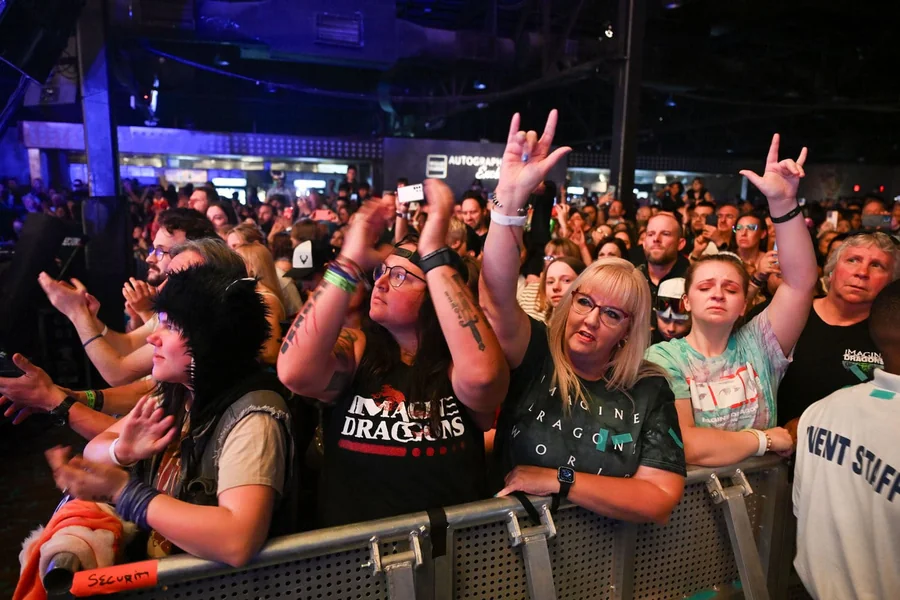
Everyone who’s ever coordinated an event, run a human resources department or organized a corporate function knows what’s happening 2 hours before the big day. The catering vans have pulled into the area, the banners are cut open and the lighting in the ballroom of the Anatole or the Omni will be in a romantic and moody dim.
Then comes the sudden, jarring realization: Who is taking the pictures?
In many offices today in Dallas, Fort Worth, and the super hot sub-metropolitan areas of Plano, Frisco and Arlington, the answer to that question might be an enthusiastic marketing coordinator with the latest iPhone 6s Plus or a thoughtful co-worker who purchased a “nice camera” for a trip to a National Park three years ago.
The allure of Do-It-Yourself (DIY) is easy to see why why companies try to go the route. Photography feels accessible. We are living in an era where all of us have a lens in our pocket, and light is smoothed out by software! Corporate event photography is not just about pictures of people standing in a room, it’s about capturing brand equity, documenting momentum, and developing marketing collateral that can stimulate an organization’s growth for the upcoming fiscal year.
If your company is weighing whether to handle your next North Texas event in-house or hire a professional, this guide will walk you through the real-world mechanics of event lighting, logistics, and visual storytelling. Along the way, we sit down with David Loi, founder and principal photographer at David Loi Studios—one of the DFW metroplex’s premier commercial event photography firms—to unpack what it truly takes to make an event’s imagery shine.
The DIY Dilemma: Why Corporate Events Are Deceptively Hard to Shoot
When you’re at a company conference, product launch, or even a gala, you may think it is a simple task to take photos. People mingle, speakers present and awards are given, and there are cocktails to be had to network with the crowd. So what could possibly be so difficult about catching?
As any photographer who has ever attempted to shoot a picture in a dim Uptown Dallas steakhouse has learned, real-life is far from simple.
1. The Low-Light Nightmare of DFW Venues
Poor lighting is the common theme of most corporate events, no matter the nature or size.
Venue or other lights are not intended to light up a digital camera’s sensor. Event planners turn down the overhead lighting and use warm (pin-spots) and/or colored LED uplighting to set the tone. These mixed light sources adjust the human brain, but not the camera sensor.
According to David Loi, the greatest challenge for amateur photographers working on corporate shoots is light. We don’t work with “available light”, we bring off camera flash setups that work with the stage lighting and the dark room behind and blend in with the room ambiance without disturbing the guests, etc.
2. The Speed of Unscripted Moments
Unlike a studio portrait session where you can ask a subject to turn their head three degrees to the left, events move at the speed of real life. A CEO sharing an unscripted joke with a keynote speaker, a winning team reacting to an award presentation, or two major industry leaders shaking hands near the step-and-repeat banner happen in split seconds.
Amateur photographers often suffer from “shutter lag”—the brief delay between pressing the button and the camera capturing the frame—or they waste crucial seconds adjusting settings while the moment evaporates.
3. The Opportunity Cost of Employee Photography
If you put an internal team member in charge of the photography, then you are taking them away from the event itself.
If your marketing manager is busy trying to get candid photos of the crowd, they aren’t connecting with clients, coordinating event, and key stakeholder schedules, or doing other important work. Also, the stress of getting to some key company milestones can make a great event into a stressful one for an employee who hasn’t received commercial photography training.
How to Handle DIY Photography (When You Absolutely Have To)
Sometimes, due to budget or specific dates you may need to hire a commercial photographer, but it just can’t happen. Even if you need to go the DIY route for an internal workshop, team building day or a casual happy hour, you can boost your results with these simple, proven tips.
Tip 1: Clean the Lens and Lock Focus
The biggest culprit for smudgey and hazy photos taken with mobile phones is pocket lint and skin oil on the camera element, but it seems simple enough. Clean phone lens with microfiber cloth prior to each session.
Avoid using the camera’s auto-focus to make a guess at what you are trying to focus on. Lock focus and exposure by touching the screen directly on your main subject. In most cell phones, gently sliding down after pressing will make the image more dark, thereby avoiding the bright faces being washed out under spotlights.
Tip 2: Move Your Feet, Avoid Digital Zoom
Digital zoom on a smartphone or point-and-shoot camera does not get you closer to the action, it just crops and magnifies the pixels and causes grainy-looking, pixelated photos. Walk closer to the speaker at the podium to get a closer view of the speaker.
Tip 3: Position Yourself Relative to Light
Don’t stand with the brightest light source (a big window, a projector screen, a bright wall lamp, or anything) directly behind your subjects unless you’re on purpose looking for a silhouette. Stand facing the main light source, with the light shining on the front or side of the subject’s face.
Tip 4: Golden Hour Networking Shots
For those who want to take group photos or meet for a catchup drink with friends at an outdoor patio, try the time leading up to sunset, known as “Golden Hour” in the photography world, especially at venue venues with outdoor patios like those in Fort Worth overlooking the Trinity River or those in Downtown Dallas that have rooftop spaces. Soft light from the natural light brings warmth and a sheen to skin while eliminating harsh facial shadows.
The Professional Pivot: Moving from “Documenting” to “Brand Elevating”
While DIY techniques can save a casual internal gathering, major corporate events—annual shareholder meetings, customer summits, galas, and regional conventions—demand a level of polish that only professional execution provides.
Here is the fundamental difference: An amateur records what happened; a professional commercial photographer constructs a narrative.
When you hire a firm like David Loi Studios, you are not paying for someone to press a button. You are investing in high-speed optical glass, sophisticated wireless lighting networks, deep color-grading expertise, and a sharp stylistic eye calibrated to highlight corporate prestige.
+———————————————————————————–+
| DIY vs. Professional Event Coverage |
+———————————————————————————–+
| Feature | DIY / In-House Approach | David Loi Studios |
+———————–+——————————-+—————————+
| Primary Focus | Basic coverage of attendees | Strategic brand story |
| Light Handling | On-camera flash or phone AI | Sculpted multi-flash system|
| Color Accuracy | Inconsistent venue tints | True-to-brand color match |
| Delivery Speed | Days/Weeks after editing | Same-day press delivery |
| Asset Versatility | Casual social media posts | PR, print, billboards, web|
+———————————————————————————–+
Masterclass Insights: Corporate Event Photography with David Loi
For business event photographers, there are many factors to consider when hiring a professional team to capture your event with the best return on investment (ROI), and David Loi has an inside look at this distinct framework.
1. Build a Comprehensive Shot List (But Leave Room for Magic)
One of the most common and critical mistakes a company can make when choosing an event photographer is giving them none or too much direction, which can stifle spontaneity, says Loi.
There are three different types of a great corporate photography brief.
Essential Operations: Presentations by the key executives, award turnovers with visible connection to trophies or certificates, ribbon cuttings, and logos of sponsors.
Architectural shots of venue areas prior to arrival of guests, table settings, branded signage, trade show booth details and custom catering elements. These are essential to your event planner’s portfolio and marketing brochures.
Laughing breakout groups, heartfelt handshakes between executives, attentive audiences with their ears open wide and dynamic networking sessions.
Loi says to provide your photographer with the list of your show’s schedule and key guests. So then, allow them to play freeform and go on the lookout for real emotion—this image will never make it to the cover of your annual report, it’s the spontaneous one of your team actually celebrating a team accomplishment.
2. Treat Light as an Architectural Element
Whether it’s the sleek glass-and-steel architecture of the AT&T Corporate Headquarters in Dallas, the rustic beauty of Southfork Ranch or the industrial-chic spaces in the Design District, DFW has plenty of spaces that are truly visually stunning. Large ceilings and expansive spaces, however, are a huge lighting challenge.
Many clients invest thousands of dollars in stage design, flowers and custom branding, but it all ends up lost in dark photos, Loi says.
With David Loi Studios, lighting is strategically designed to create a space. Loi says they examine the light profile in the venue prior to use. “Discrete, remote flash units are placed in key corners of the ballroom or exhibition space, giving the photos a 3D, cinematic feel like a high-end magazine spread, separating the subjects from the backdrop.
[ Off-Camera Light Source ]
\
\ (Rim / Edge Light)
v
Primary Soft Light (Main Camera Position) <— [ Guest / Subject ]
^
/
Venue Ambient / Stage Lighting
3. Leverage “Real-Time” PR and Social Media Delivery
When it comes to corporate events, the days between editing pictures and the moment the news hits the web can be as long as two weeks in today’s fast-paced business climate. If you’re going to have a big product reveal at the Fort Worth Convention Center on Tuesday morning, you need some slick images on Twitter, LinkedIn and wire services by Tuesday afternoon.
Loi adds that speed is a huge factor when it comes to commercial event photography. At times when we are covering large conventions or executive summits in Dallas, we will have on-site editors or make use of wireless tethering technology.
Images taken on the floor are transmitted in real time to an editor’s laptop, where they are colour corrected, cropped and tagged in minutes, all by means of tethers. Your social media manager can capture high resolution, well-lit photos of a keynote speaker while they are still on stage.
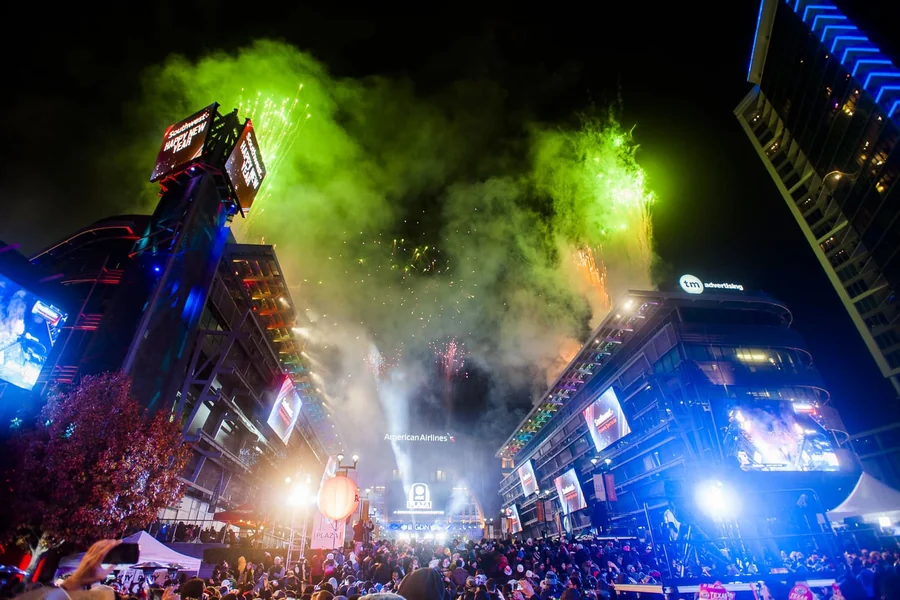
Navigating the DFW Venue Landscape: A Photographer’s Guide
Each major event center on the Dallas-Fort Worth metroplex has its distinct visual character and technical requirements. Knowing these quirks will help you to make better plans and take better photos.
The Dallas Convention Center District
Venues: Kay Bailey Hutchison Convention Center and Omni Dallas Hotel.
Visual Profile: large scale, tall ceiling corridors with glass walls, and large, high ceiling ballrooms.
Photographer’s Tip: “Scale is a challenge here,” says Loi. Planning camera positions in advance using room sketches is a must, and to get the feel of an audience of 2,000 or more, you need a wide shot from the back balcony and a tight telephoto shot from the front rows.”
The Fort Worth Cultural & Historic Districts
Themes: Art, History, and Film.The events will feature art, history and film in the Fort Worth Stockyards Station, Dickies Arena, and Kimbell Art Museum spaces.
Visual Profile: Rich textures – warm brick, exposed wood timbers, sleek concrete, dramatic skylights.
Photographer’s Tip: “Fort Worth locations have a lot of character, but if you don’t color balance tungsten indoor lights with daylight through skylights, skin tones may appear yellow or green,” Loi explains. A custom white-balanced professional photo shoot is a must in these places.
The Legacy West & Frisco Corporate Corridor
Locations: The Star in Frisco, Renaissance Dallas at Planos Legacy West Hotel.
Lighting: Ultra modern, high tech, sleek with prominent LED video walls.
Photographer’s tip: “LED screens on stages have a huge flickering and colour-banding problem for basic cameras, because of the refresh rates,” says Loi. Commercial photographers employ a special shutter speed that is synchronized with the frequency of the screen, which is what makes the digital background crisp in the shot and a crisp shot behind your CEO.
How to Maximize Your ROI When Hiring a Commercial Photographer
Investing in a professional photographer like David Loi is a cost saving, not a cost. Before, during and after your event, use these strategic tips to maximize the use and impact of each shutter click in your company.
1. Pre-Event Alignment Meeting
Plan a briefing call of 15 minutes 1 week prior to the time of the event. Share:
Specifically, the company brand guidelines – for example, bright/clean tones or moody/dramatic tones.
Important VIPs that must be captured – include headshots to immediately be able to locate them in a crowd of hundreds.
Key sponsor commitments, such as making clear that certain logos are to be used by the sponsor behind the speaker.
2. Stage Management and Podium Mechanics
Minor changes on stage provide huge visual improvements:
Eliminate Water Bottles: Water bottles that are used by students on top of the podium look messy in close-ups. Keep them on a shelf below the lectern where they’re not in view of the lens.
Measure Mic Heights: Make sure that the microphone is not at the center of the speaker’s face as this will cause the microphone to be at an angle.
- Lower the Stage Lights Slightly: If stage lighting is blindingly bright compared to the audience, request that the venue AV team pull stage brightness down by 10-15% to create a balanced exposure ratio for video and photo.
3. Establish a Post-Event Asset Distribution Strategy
Don’t let your event photos sit in a cloud storage folder after delivery. Build a multi-channel deployment plan:
- Internal Communications: Use crowd-reaction photos in internal newsletters, Slack/Teams channels, and intranet recap articles to boost company morale.
- Recruitment Marketing: Feature candid shots of your team engaging at the event on your LinkedIn career page and Glassdoor profile to attract top-tier talent.
- Sponsor Thank-You Packages: Send key sponsors a curated gallery of high-resolution images showing attendees interacting with their brand activations. This dramatically increases sponsor retention for the following year.
- Future Event Promotion: Use the best hero shots for next year’s registration landing pages, email banners, and early-bird promotional fliers.
Final Thoughts: Capturing the Spirit of North Texas Business
Dallas-Fort Worth is one of the most dynamic, fast-growing economic regions in the world. The events hosted here—from fortune 500 summits to groundbreaking startup galas—reflect the ambition, hospitality, and drive of North Texas.
While DIY photography tactics can save the day for minor internal gatherings, your flagship corporate events deserve the polish, security, and storytelling authority that only an experienced commercial event photographer can deliver.
By pairing strategic event planning with the technical artistry of professionals like David Loi of David Loi Studios, you ensure that every handshake, every standing ovation, and every milestone moment isn’t just remembered—it is elevated into an enduring asset for your brand.
Ready to Elevate Your Next DFW Event?
When planning your next conference, gala, or corporate meeting in Dallas, Fort Worth, or the surrounding metroplex, connect with the team at David Loi Studios. Discover how strategic commercial photography can transform your corporate gatherings into powerful marketing stories.