How to Plan a Wedding Weekend Experience | Wezoree
Plan Wedding: Something has shifted in how couples at the luxury end of the wedding market think about their plans. The single-day event, ceremony, cocktail…
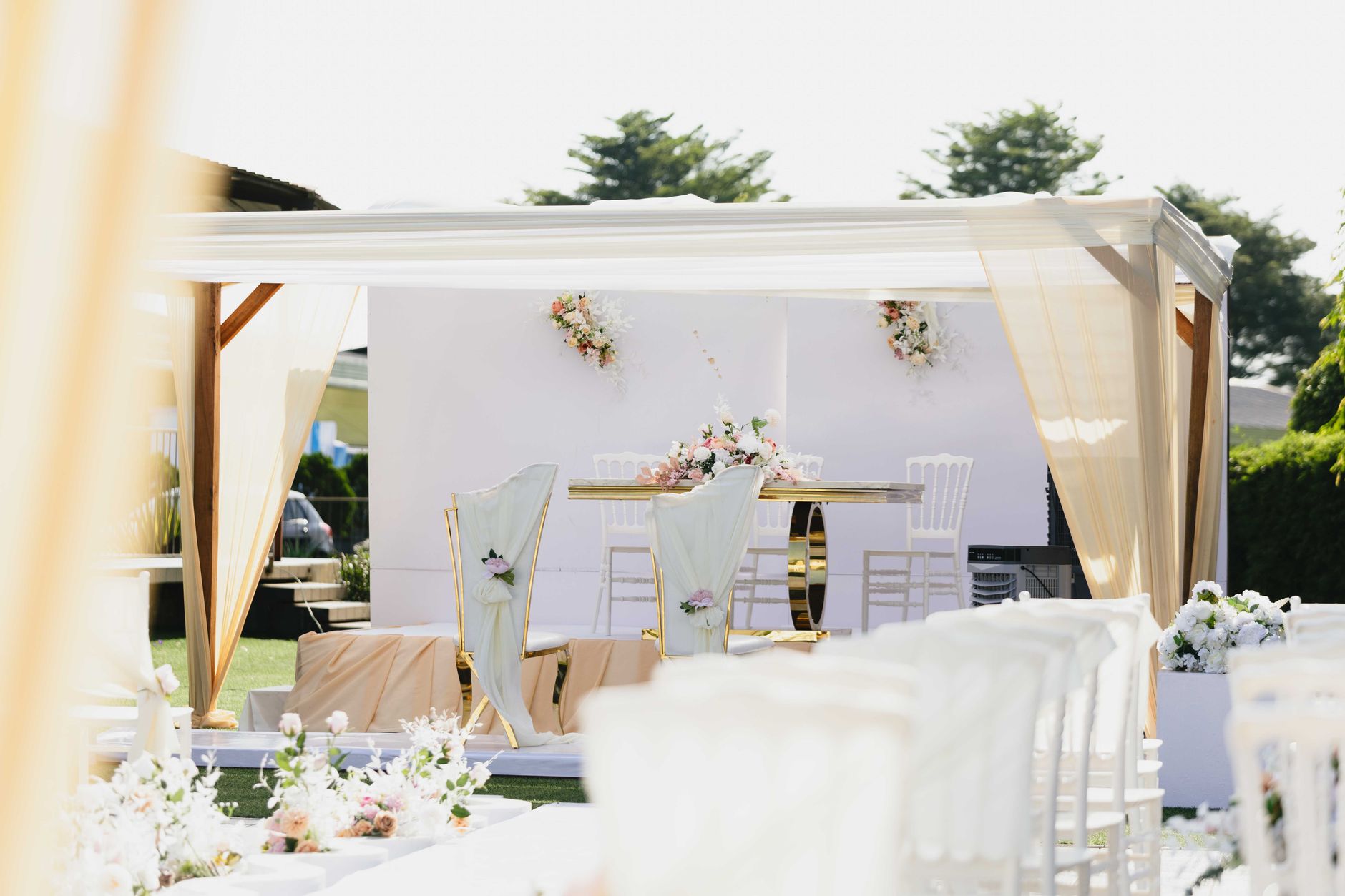
Something has shifted in how couples at the luxury end of the wedding market think about their plans. The single-day event, ceremony, cocktail hour, reception, done, is increasingly being replaced by something more expansive: a curated multi-day experience in which the wedding is the centerpiece of a longer gathering rather than the entirety of it.
The reasons are structural. Destination weddings require guests to travel, often across time zones, often at significant expense. A gathering that lasts three days returns more on that investment than one that lasts six hours. International guest lists, the norm for couples planning destination events, contain people who rarely see each other and may never all be in the same place again. A weekend creates the conditions for connection that a single evening cannot.
There is also an aesthetic dimension. A wedding weekend, planned well, allows for tonal variation a single event cannot accommodate: an intimate welcome dinner the night before, the full production of the wedding day itself, and a relaxed farewell brunch that lets the emotional intensity resolve into something quieter and lasting. Each moment has a different register, a different pace, a different relationship between the couple and their guests.
This guide addresses how to plan all three days with the deliberateness that produces a coherent experience, not three separate events that happen to occur consecutively, but a single narrative arc with a beginning, a middle, and an ending. Visit Wezoree.com for vendors who specialize in multi-day destination celebrations.
Section 1: The Philosophy of the Wedding Weekend — What Makes It Work
A wedding weekend succeeds or fails at the planning stage, not at execution. The couples who end up with weekends that feel effortless are those who made a set of foundational decisions early: about the relationship between the three days, the hosting philosophy governing all of it, and the level of structure versus freedom that serves their specific guest group.
Curated Versus Open
A fully programmed weekend serves some guest groups and exhausts others. A completely open weekend with no hosted structure beyond the wedding day leaves guests without anchor points. The right balance depends on your guest profile: how well guests know each other, how comfortable they are with unstructured time in an unfamiliar place, and how much hosting energy you have across three days.
Most successful weekends combine a structured framework, a welcome dinner, a wedding day, and a farewell brunch, with deliberate unstructured time built in. Guests who want to explore, rest, or connect privately have the space to do so; guests who want more guidance have programmed options available.
Intimate Versus Inclusive
Not every guest needs to be present at every element. The welcome dinner is frequently more intimate than the wedding day itself, sometimes hosted for the wedding party and immediate family only, reflecting the actual relationship structure rather than flattening it. Knowing which elements are for all guests and which are for a subset affects venue selection, catering scope, and budget across all three days.
The Venue Relationship
A wedding weekend works best when accommodation, event spaces, and logistics are as consolidated as possible. Guests dispersed across multiple hotels require transportation coordination that adds cost and friction. A venue or cluster that keeps guests within walking distance of one another, ideally within the same property, creates the conditions for organic socializing that makes a weekend feel like a gathering rather than a series of transfers.
Here is how the three days typically break down:
| Day | Primary purpose | Tone | Guest scope |
| Day 1 (arrival) | Orientation, connection, relaxation | Warm, informal, low-key | All guests or the inner circle |
| Day 2 (wedding) | Celebration, ceremony, main event | Full production | All guests |
| Day 3 (departure) | Resolution, reflection, farewell | Gentle, unhurried | All guests |
Section 2: Day 1 — Welcome, Arrival, and the Art of the First Evening
The first day of a wedding weekend has a specific job: to make guests feel welcomed, to orient them to the place, and to begin the social consolidation that makes the wedding day feel like a celebration among people who know each other rather than strangers assembled for an occasion. Getting this right requires more intentionality than most couples apply initially, because it tends to be planned last, after the wedding day has absorbed most of the planning energy and budget.
The Welcome Experience Before the Evening Begins
Guests arrive at different times, from different places, with varying travel fatigue. The arrival experience sets the tone for everything that follows. Welcome bags, done well, are not a checklist item but a real hosting gesture: local snacks that introduce guests to the region’s food culture, a handwritten note from the couple, a guide to the area with specific recommendations rather than generic information, and the practical details guests need. This is not the place to spend a significant budget. It is the place to spend significant thought.
The Welcome Dinner
The welcome dinner is the evening’s anchor. Its format and scale establish the register for the whole gathering before the wedding day resets it. The most successful versions are small enough that conversation is possible across the table, relaxed enough that travel-weary guests feel comfortable rather than required to perform, and introduce the location in a way the wedding day, with its full production demands, often cannot.
For destination weddings, the welcome dinner is frequently the chance to serve the most local food of the entire weekend, a meal at a local restaurant, a casual dinner prepared by a local family, or a spread of regional products needing no formal catering. This specific, local, unhurried character is what makes it memorable rather than merely pleasant.
Here is how the most common welcome day formats compare:
| Activity | Guest Profile Fit | Budget Level | What It Accomplishes |
| Private welcome dinner (all guests) | Any | $$–$$$ | Full group consolidation |
| Intimate dinner (inner circle) + casual drinks (all) | Large, diverse guest list | $$ | Tiered hosting, relaxed arrival |
| Local restaurant buyout | Guests who enjoy exploration | $$ | Location immersion |
| Cooking or tasting experience | Food-focused guests | $$–$$$ | Activity + social facilitation |
| Casual poolside or garden gathering | Warm weather destinations | $ | Low-structure, organic connection |
| Guided local walk or tour | Active, curious guests | $–$$ | Orientation + conversation facilitation |
A few things consistently go wrong on Day 1: over-programming the arrival day with mandatory activities that ignore travel fatigue, hosting a welcome dinner so elaborate that guests arrive at the wedding day already tired, leaving guests without structure when they don’t know many other people, and forgetting dietary requirements simply because the setting is informal.
Section 3: Day 2 — The Wedding Day — Production, Flow, and Guest Experience
The wedding day within a weekend context has a different relationship to the surrounding days than a standalone event does. Guests arrive already connected and oriented to the place. The emotional intensity lands differently when it is the peak of a building arc rather than an isolated event. This context affects several decisions typically treated as purely logistical.
The Morning
The wedding morning on a destination weekend is frequently unstructured and benefits from it. Guests who connected the previous evening make their own arrangements while the couple and wedding party are occupied with preparations. Light hosting touches work well: breakfast available without a fixed time, a note from the couple, perhaps a simple activity option for guests who want it.
The couple’s getting-ready experience should be planned as a photo shoot, not just a logistical necessity. Hair and makeup artists who specialize in destination weddings understand this. They work within the event’s timeline and physical conditions while accommodating documentary photography without compromising their work.
Ceremony Timing Within the Day
For destination weddings in southern Europe, ceremony timing is among the most consequential decisions in the entire process. A midday ceremony in August in Tuscany or Greece places guests in direct sun at the hottest point of the day. A late-afternoon ceremony timed to golden hour produces better photographic conditions and a more comfortable guest experience, but compresses the post-ceremony timeline.
The standard resolution is a ceremony at 5 to 6pm in high summer, cocktail hour at the same location or nearby, and dinner beginning as the sun sets. This timeline is widely practiced at the luxury destination market because it works: light, temperature, and energy all peak together.
Managing the Transition Points
The moments between the ceremony, cocktail hour, and reception are where weddings lose energy, and where planning attention is most productive. The shift from ceremony to cocktail hour requires guests to move and reorient; having drinks and light entertainment immediately available rather than waiting for service to begin prevents the awkward standing period that drains energy. The shift from cocktail hour to dinner needs clear direction, since uncertain guests become anxious rather than anticipatory; a coordinator, a printed timeline, or the band can make this seamless. The shift from dinner to dancing is the highest-stakes moment of the evening, where the entertainer’s ability to read the room and build energy at the right pace matters more than at any other point.
Here is a realistic timeline for a destination wedding day:
| Time | Element | Notes |
| Morning | Getting ready | Photographed; build buffer time |
| Early afternoon | Guest leisure | Unstructured; light hosting optional |
| 5:00–5:30 pm | Ceremony | Golden hour timing in Mediterranean summer |
| 6:00–7:30 pm | Cocktail hour | Entertainment, canapés, photography |
| 7:30–9:00 pm | Dinner service | Seated, speeches during or after |
| 9:00 pm onwards | Dancing and reception | Entertainment peaks; end time per venue curfew |
Section 4: Day 3 — The Farewell and the Art of the Ending
The farewell brunch is the most underplanned element of the wedding weekend – and one of the most emotionally significant. It is the space in which the intensity of the wedding day resolves: guests depart with a final shared experience rather than simply scattering from the previous evening’s reception.
Done well, the farewell brunch extends the weekend’s emotional arc into something complete. Done poorly – or skipped entirely – the weekend ends with the slightly deflated feeling of a gathering that ended rather than concluded.
What makes a farewell brunch work:
- Timing that accommodates the previous evening – a brunch that begins at 10 am after a reception that ended at 1 am serves almost no one. 11 am or noon is more realistic and more hospitable.
- Format that matches the morning’s energy – the farewell brunch should be relaxed and unhurried. Long tables, a relaxed service style, good coffee, and food that is restorative rather than performative. This is not the moment for another formal meal.
- Duration with a natural ending – the brunch should have a clear, gentle conclusion built into its structure. Guests who need to travel have departure times; the brunch format should accommodate early departures without making those who stay feel they are overstaying.
- A moment of intentional closure – not a formal speech, but some acknowledgment from the couple that the weekend is ending and that the gathering mattered. This can be as simple as a brief thank-you, a small gift for guests to take home, or simply the couple moving through the room and speaking individually to each group. The gesture of deliberate closure transforms a logistical ending into an emotional one.
Farewell brunch formats:
| Format | Guest Count Fit | Venue | Budget |
| Casual garden breakfast | Any | Villa, estate, hotel, terrace | $–$$ |
| Chef-driven brunch service | 20–60 | Private dining room or terrace | $$–$$$ |
| Self-service spread with seating | Any | Large estate or resort | $–$$ |
| Local café or restaurant buyout | 20–40 | Local venue near accommodation | $$ |
| Pool or beach brunch | Warm destination, casual guests | Resort or villa with pool | $$ |
Section 5: The Logistics Checklist — Budget, Vendors, and Timeline Alignment
A three-day wedding weekend involves more vendor relationships, more logistical coordination, and more guest management than a single-day event, and it requires a planning framework that explicitly addresses all three days rather than treating Days 1 and 3 as afterthoughts to Day 2.
Budget Allocation Across the Weekend
The wedding day itself, including venue, catering, and core vendors, typically takes up 60–70% of the total weekend budget, establishing the peak investment of the gathering. The welcome dinner runs 10–15%, scaled to intimacy rather than full production, while the farewell brunch sits lower at 5–10%, deliberately lower-key than the days before it. Welcome bags and guest gifts account for just 3–5% but offer high thoughtfulness leverage at low cost. Transportation across the weekend is often underestimated at 5–8%, since destination logistics add up quickly, and optional guest activities on Day 1 or Day 3 typically run 3–7%, valuable for diverse guest profiles but not essential.
Vendor Coordination Across Three Days
The vendors who need to understand the full three-day scope, not just their specific day, are the planner, the photographer if documenting all three days, and any catering or venue staff involved across multiple elements. Brief all three-day vendors on the full arc, not just their primary engagement.
For destination weddings, vendor travel and accommodation over three days require careful planning. A photographer who stays on-site across the weekend produces more natural, documentary-style coverage than one who arrives for the wedding day only, and the cost differential is often smaller than couples expect.
Before the weekend, confirm: the full timeline shared with all vendors at least four weeks ahead; individual call sheets specific to each vendor’s involvement; venue access times for all three days, not just the wedding day; catering confirmed for all hosted meals including welcome dinner and farewell brunch; transportation logistics for all guest transfers; accommodation confirmed for vendors staying on-site; contingency plans for weather across all outdoor elements; and a guest information package distributed at least four weeks before arrival.
Guest Logistics That Require Specific Management
Here is what tends to go wrong if these aren’t addressed early:
| Logistics element | When to address | What can go wrong |
| Airport transfers | Book 6–8 weeks before | Arrival clustering; multiple flight times |
| Accommodation allocation | Confirm 8 weeks before | Room preference conflicts; accessibility needs |
| Dietary requirements | Collect 6 weeks before | Informal meals catch people out |
| Day 1 arrival communication | Send 2 weeks before | Guests uncertain about timing and expectations |
| Day 3 checkout and departure | Confirm 1 week before | Guests missing farewell brunch; late checkouts |
The Planner’s Role Across Three Days
A senior destination planner is more essential for a three-day event than a single-day one, because logistical complexity multiplies with each additional day, while the couple’s capacity to manage it stays constant. Their coordination extends across all three days: vendor arrivals, guest logistics, catering timing, venue setup and breakdown, and the dozen daily decisions a multi-day gathering raises that no amount of advance planning fully anticipates.
Couples researching planners for wedding weekends benefit from filtering for professionals with documented multi-day destination experience. Real wedding stories that cover full weekends rather than single events reveal which planners have the experience this format requires, and editorial interviews address the specific challenges of multi-day coordination that single-event experience doesn’t prepare for.
Conclusion: The Weekend as a Complete Experience
A well-planned wedding weekend is not three times as complex as a single wedding day. It is a different kind of event, one where the primary experience is a gathering over time rather than a celebration in a moment.
The couples who find the weekend format most satisfying are those who planned it as a coherent arc: a beginning that oriented and connected, a middle that celebrated, and an ending that gave the whole experience a sense of completion. The couples who find it most stressful are those who planned the wedding day in full and added Days 1 and 3 as logistical necessities without giving them equal thought.
The framework in this guide is designed to prevent the second outcome. The philosophical decisions come first: curated versus open, intimate versus inclusive, how much structure serves your specific guest group. The day-by-day planning follows from those foundations. The logistics checklist ensures that the details that determine whether the experience actually flows are addressed before they become problems.
A wedding weekend is an investment in time, planning energy, and budget. It returns that investment in the form of an experience that guests describe for years afterward, not as “a beautiful wedding” but as “a weekend we will never forget.” That distinction is worth planning for.