DON’T BUY LIABILITY INSURANCE UNTIL YOU CHECK THESE 7 THINGS
Before purchasing liability insurance, ensure you understand coverage limits, exclusions, and the claims process to protect your business effectively.

When it comes to public liability, it can be tempting to pick the cheapest policy. But it may not provide the expected protection.
Even if two policies look like they give the same coverage, they can vary in terms of their:
- Limits
- Exclusions
- Conditions.
So, read this guide as we discuss the most critical things to check.
Check what it covers
What are the common risks in your place of work? For example:
- Injuries to customers or members of the public
- Damage to another person's property
- Claims resulting from your activities.
Many people assume that one standard policy applies in all cases. That is not true.
The terms and conditions of insurance policies differ. But a good one will cover your risky work activities.
Check the coverage limit
What is the maximum sum that the insurer will pay for a covered claim? This is the coverage limit. Find out by checking the terms of the policy.
A coverage limit might appear to be sufficient. Yes, for small claims. But it might not be enough should your business have to deal with a serious incident. A serious incident can cause considerable:
- Bodily harm
- Property damage.
When evaluating whether the limit is suitable, consider:
- The scale of your operations
- The kind of work you do
- The possible severity of a claim.
A public liability insurance broker can help you assess these factors when comparing different coverage limits.
Look at the exclusions
This clause indicates the situations in which the insurer will not provide protection. It matters just like the inclusions.
You need to examine any clauses that could be relevant to:
- Your normal business activities
- Your industry.
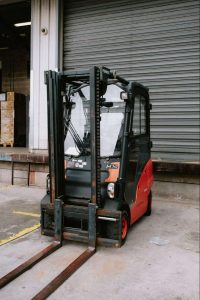
For instance, if you use heavy equipment, check whether that aspect is subject to restriction.
If you don’t understand any, request an explanation.
Check the excess
When you make an eligible claim, there is an amount you pay. Then the insurance company pays the remaining amount, which is covered by the policy. That is your excess. The amount may depend on your premiums.
A lower premium might be associated with a higher excess. This means you will pay more money out of pocket should a claim arise.
Consider how much your business can afford to pay if an incident occurs.
Understand the claims process
Find out how to report claims. That includes the kind of information you might have to give. There may be specific:
- Notification requirements
- Time limits
- Records.
It is also helpful to ask about how:
- The insurer carries out investigations
- Provides legal representation
- Communicates with other parties after an incident.
This information can make it easier to deal with a claim.
Check policy conditions
Certain policies contain conditions which the business has to meet in order to stay covered, such as:
- Record keeping
- Security measures
- Contracts
- Employee practices
- Other activities related to your operations.
Take these requirements carefully.
Review the policy regularly
Last but not least, you should update your cover regularly. Especially if your business changes.
Review your coverage whenever you:
- Add new services
- Take on more staff
- Move to new premises
- Buy equipment
- Accept different kinds of clients.
This will give you a better understanding of the areas in which your business might still have uninsured risks that need to be given separate consideration.