Professional Auto Transport vs. Driving Yourself: Which Is the Safer Choice for Long-Distance Moves
Way to go across the country with a gigantic list of things to do, and one of the biggest questions is in your own driveway: Now what’s going to happen to my car? The decision…
Way to go across the country with a gigantic list of things to do, and one of the biggest questions is in your own driveway: Now what’s going to happen to my car? The decision typically comes down to the tried and true conundrum: should you bring snacks along and drive it, or give over the keys to the professional auto transport company?
It’s easy to just think about budget, but safety is the most important consideration. Being a long-distance driver is not only a lot of hours on the road, it’s a lot of off-road driving. Driving on the highway means you face many risks, such as driver fatigue, sudden severe weather, wear and tear on your vehicle, and fluctuating fuel costs.
This article analyzes both solutions objectively, explaining the logistics, hidden costs and safety numbers. By the end of the reading you’ll have a clear blue plan to help you make the decision which option keeps you and your vehicle the safest!
Understanding Your Two Options
Before diving into the safety data, let’s establish exactly what both choices entail.
Driving the Vehicle Yourself
This is the traditional DIY approach. You load up the trunk, map out a route, and handle every single mile yourself.
- Full control over schedule: You choose when to start, where to stop, and how fast to travel.
- Ideal for shorter trips: Perfect for moves spanning just a few hundred miles or moving to a neighboring state.
- Opportunity to carry personal belongings: You can use your car’s cabin and trunk as extra storage space for fragile or immediate-use items.
- Requires significant travel time: Multi-day trips demand days away from work and life.
- Increased exposure to road hazards: The longer you are on the road, the higher your statistical chances of encountering an incident.
Hiring Professional Auto Transport
With this option, you hand your vehicle over to professional logistics experts who specialize in moving vehicles across state lines.
- Vehicle transported by licensed carrier: Your car is loaded onto a massive commercial transport truck driven by a career professional.
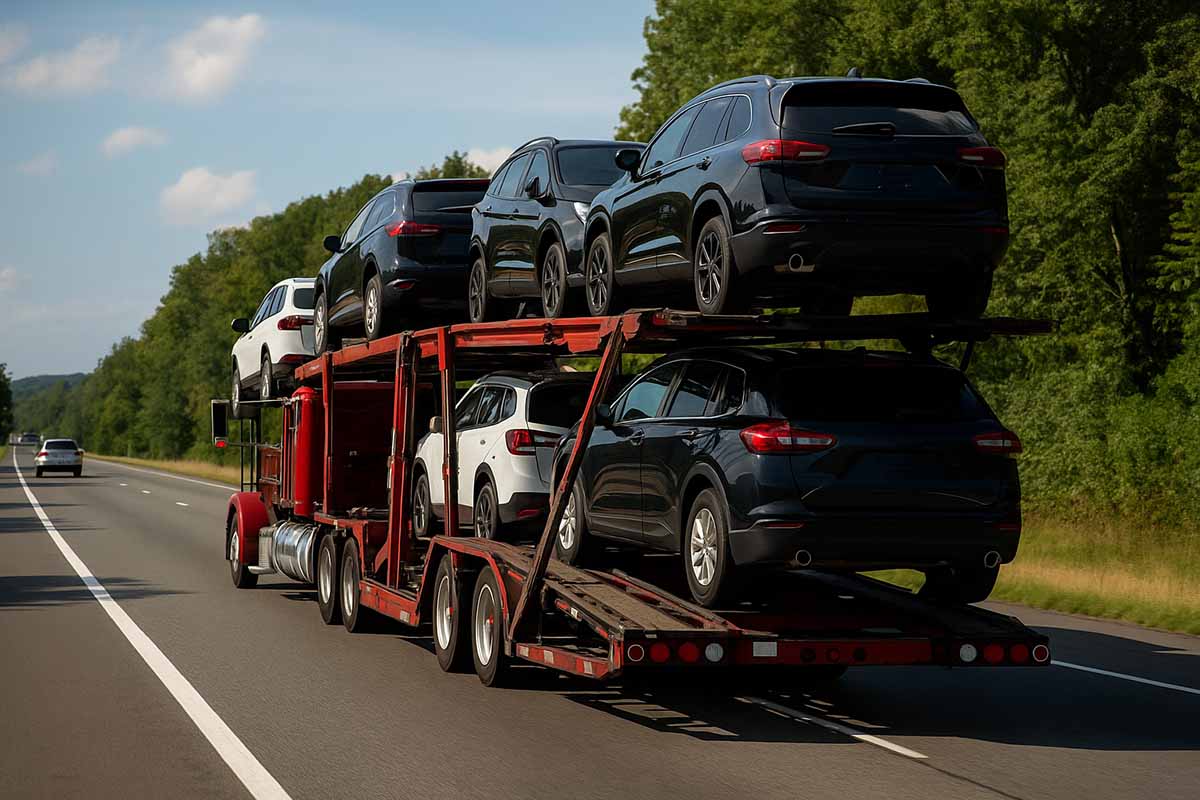
- Open vs. enclosed transport: You can choose between standard open-air trailers (the ones you see on the highway hauling multiple cars) or enclosed trailers that completely shield your vehicle from weather and dirt.
- Door-to-door service: The carrier picks up and drops off your vehicle as close to your front doors as legally and physically possible.
- Designed for long-distance moves: Built specifically to handle interstate, coast-to-coast, and cross-country relocations efficiently.
- Suitable for most personal vehicles: Accommodates everything from daily drivers and SUVs to specialty vehicles.
Comparing Safety: Professional Transport vs. Driving Yourself
When you look at the raw logistics of a long-distance trip, the safety comparison leans heavily in one direction. Let’s break down the core hazards you face on a cross-country drive versus how professional carriers mitigate them.
Road Accident Risks
If you’re driving long distances, you are exposed to dangerous situations on the road more than twice as often. You’ll need to deal with the super-sized trucks, risky construction sites, phones-on-drivers’ hands and the specific dangers of nighttime driving when visibility is reduced and wildlife is most active.
Driver Fatigue
Fatigue is an unseen danger on the roadway. Safety data indicates that when a driver is “drowsy” he/she is just as likely to react as if intoxicated. 8-12 hours a day driving on the road dramatically slows down your mind. Multi-day trips add to exhaustion, and when combined, can lead to an accident.
Weather Conditions
Frequent cross-state travel involves passing through completely different climates. It’s possible you’ll be going through pleasant weather and then encounter a blinding rainstorm, black ice, high winds, or even sudden snowstorms, particularly if driving through unfamiliar areas of travel during the season or on high-elevation roads in the mountains.
Read more: Rush Movie Cast: Meet the Actors Behind the Acclaimed Racing Drama
Mechanical Breakdowns
That car that is running like a demon in town can easily top out in those 1,500 miles of straight running. Roadside tire blowouts, overheating engines, battery failure and transmission problems may leave you in a town you don’t recognize and in a stressful situation that is costly for emergency repairs.
Professional Carrier Safety Measures
In stark contrast, professional auto transport minimizes these risks by shifting the burden to heavy-duty industrial logistics.
- Experienced commercial drivers: Carriers employ career operators who hold Commercial Driver’s Licenses (CDLs) and undergo rigorous defensive driving training.
- DOT compliance: Professional carriers are strictly regulated by the Department of Transportation (DOT), which legally mandates rest cycles to completely eliminate driver fatigue.
- Vehicle inspections: Thorough pre-trip and post-trip structural checks ensure everything is secure.
- Route planning: Logistics teams use advanced software to track weather systems and construction zones, routing trucks away from hazards.
- Insurance protection: Reputable transport companies provide robust cargo insurance that protects your vehicle against transit damage from the moment it is loaded until it is delivered.
Vehicle Wear and Tear: The Hidden Cost of Driving
Safety isn’t just about avoiding a collision; it’s also about protecting the mechanical integrity and long-term value of your asset. Driving across the country forces your car to take a massive physical hit.
- Mileage depreciation: Slapping 1,000 to 3,000 miles onto your odometer instantly lowers your car’s resale market value.
- Tire and brake wear: Hundreds of miles of sustained friction wear down tire treads and brake pads, bringing you closer to an expensive replacement cycle.
- Cosmetic damage: Highway driving guarantees exposure to flying gravel, kicked-up asphalt, road debris, and swarms of insects that can permanently chip your paint or crack your windshield.
- Maintenance acceleration: A massive road trip burns through fluid life, requiring immediate post-move oil changes, tire rotations, and comprehensive servicing.
Cost Comparison: Shipping a Car vs. Driving It
Many people choose to drive because they assume it’s the cheaper route. However, this assumption usually happens because they only calculate the cost of gas. When you look at the true, all-inclusive expenses of a DIY road trip, the numbers tell a very different story.
| DIY Driving Expenses | Professional Shipping Expenses |
| Fuel: Multiple fill-ups at volatile highway prices | Flat Rate Quote: All-inclusive pricing upfront |
| Lodging: Clean, safe hotels for every night on the road | Flight Ticket: Quick, single-day travel expense |
| Meals: Roadside diners, fast food, and drinks for days | Zero Vehicle Wear: No added miles or fluid degradation |
| Tolls: Highway, bridge, and turnpike fees across states | Productivity: No lost income or vacation days used |
| Depreciation: Hidden loss in your car’s resale value | Peace of Mind: Complete structural protection |
The Value Verdict: When you tally up fuel, lodging, food, highway tolls, wear-and-tear depreciation, and the income you lose by taking days off work, professional car shipping frequently provides a more cost-effective overall value than driving.
Convenience Comparison
Your time and mental health matter during a move. Let’s look at how both methods stack up logistically.
Benefits of Professional Auto Transport
- Saves days of travel: Instead of spending four days staring at highway lines, you can book a two-hour flight and arrive at your new home refreshed.
- Avoids long road trips: Eliminates the physical toll of sitting in a cramped driver’s seat for hours.
- Less physical stress: No need to plan hotel stops, manage traffic, or handle highway construction stress.
- Ideal for relocations: Allows you to focus 100% of your energy on packing your household goods and setting up your new home.
- Ship multiple vehicles: If your family owns two or three cars, a single carrier can move them all simultaneously, solving a massive logistical puzzle.
Benefits of Driving Yourself
- Flexible itinerary: You can turn your move into a vacation by stopping at landmarks, national parks, or visiting friends along the way.
- Scenic road trips: Offers a chance to see parts of the country you might otherwise fly right over.
- Immediate access to your vehicle: Your car arrives exactly when you do—no waiting on a delivery window.
- Personal travel preferences: If you genuinely love the open road and have time to spare, driving can be an enjoyable personal journey.
When Professional Auto Transport Is the Better Choice
For certain situations, shipping your car isn’t just a luxury option—it’s the smartest logistical decision. We highly recommend booking professional auto transport if you are:
- Moving completely across the country: Coast-to-coast transitions are too exhausting and risky for a standard DIY drive.
- Relocating for work or military PCS moves: When corporate timelines or strict military Permanent Change of Station orders require you to hit the ground running without burning vacation days.
- Snowbird travel or college relocation: Safely sending a car to a winter home or moving a student across the country without putting them through a high-risk solo road trip.
- Transporting luxury, classic, or exotic vehicles: High-value assets require the specialized, climate-controlled protection of enclosed trailers to prevent depreciation or cosmetic blemishes.
- Managing multiple household vehicles: When you can’t physically drive two or three cars to the destination at the same time.
- Traveling with vulnerable family members: Families with toddlers, small children, or elderly family members will find flying infinitely safer and more comfortable than a grueling multi-day road marathon.
When Driving Yourself May Make Sense
Conversely, driving your own vehicle can make perfect sense under the right circumstances:
- The total moving distance is relatively short (e.g., under 300 to 400 miles).
- You are moving within neighboring states or within the same region.
- You genuinely enjoy long-distance road trips and have time to spare.
- You need to transport delicate personal belongings, pets, or immediate essentials that can’t go in a moving truck.
- Your schedule is completely flexible, with no firm start dates for work or school.
- The vehicle is essential for your immediate daily routine the exact hour you arrive.
Step-by-Step Checklist: Choosing the Safest Option
If you’re still on the fence, work through this practical, data-driven checklist to find out which route minimizes your risks.
1.Measure Total Distance:Calculate your exposure risk.
Map out your exact route. Look at total mileage and estimate realistic driving hours. If the trip requires more than two full days of driving (over 1,000 miles), your safety risk factors multiply exponentially due to cumulative driver fatigue.
2.Evaluate Vehicle Condition:Assess mechanical readiness.
Inspect your car thoroughly. Are your tire treads deep enough for sustained high-speed heat? Are your brakes responsive? Check your fluid levels and evaluate the car’s overall maintenance history. If your vehicle is older or overdue for a major service, highway driving is a gamble.
3.Estimate Total Driving Costs:Calculate the true financial impact.
Grab a calculator and map out real numbers. Factor in current fuel prices along your route, hotel costs per night, food for everyone in the car, highway tolls, and the value of your lost work time. Compare this total directly against a shipping quote.
4.Consider Personal Safety Factors:Analyze human variables.
Be honest about your highway driving experience. Consider your health, your comfort level with night driving, and the upcoming seasonal weather patterns. If you are moving during winter or hurricane season, passing through mountain ranges carries extreme risk.
5.Compare Transport Quotes:Gather expert shipping numbers.
Reach out to established auto transport companies. Request distinct quotes for open -air transport and enclosed carrier options. Review their estimated delivery timelines and ask explicit questions about their cargo insurance coverage and structural damage policies.
6.Choose the Option That Minimizes Risk:Make your final decision.
Review all the pieces of the puzzle. Select the method that maximizes your physical safety, protects your vehicle’s mechanical health, and provides the best overall financial value for your family.
Preparing Your Vehicle for Professional Transport
If you decide that shipping is the safest path, taking a few minutes to prepare your car ensures a flawless transit experience. Use this checklist before the carrier arrives:
- Wash the vehicle: A clean car allows both you and the driver to accurately spot any pre-existing dings, scratches, or paint chips.
- Document existing condition: Take clear, high-resolution, dated photos of all four sides of the car, the wheels, and the interior dashboard.
- Remove personal belongings: Take out all aftermarket GPS units, chargers, custom music equipment, and loose items to prevent interior shifting or loss.
- Leave about one-quarter tank of fuel: A 1/4 tank keeps the vehicle light for carrier weight limits while leaving enough fuel for loading and unloading.
- Disable alarms and remove toll tags: Turn off any anti-theft systems so they don’t go off on the highway, and pull down your toll passes to prevent accidental automated charges.
- Secure loose accessories: Fold in your side mirrors, remove or retract custom antennas, and take down temporary bike racks.
- Check basic vitals: Ensure your battery is fully charged, your tire pressure is set to manufacturer recommendations, and provide a spare key to the transport driver.
What to Expect During Vehicle Pickup
Knowing what happens on pickup day takes away all the mystery. Here is exactly how the process unfolds:
- Carrier Arrival: The transport driver will contact you to coordinate a pickup time. Because large multi-car carriers cannot safely navigate narrow residential streets, they may ask to meet you in a nearby, wide-open parking lot (like a grocery store or shopping mall).
- Vehicle Inspection: You and the driver will walk around the car together, carefully inspecting the bodywork and noting any existing scratches, dents, or chips.
- Bill of Lading Review: The driver documents the car’s condition on an official form called the Bill of Lading. Review this paperwork closely and make sure it matches your observations before signing it.
- Photo Documentation & Key Handoff: The driver takes official photos, you hand over a set of keys, and your car is securely loaded and chained onto the trailer.
- Transit Communication: The logistics coordinator provides an estimated delivery window and remains accessible throughout the journey to give you real-time updates as your car makes its way to your new home.
Common Mistakes and Misconceptions
Let’s clear up some of the regular confusion surrounding vehicle shipping so you can navigate the process like a pro.
Mistakes to Avoid
- Choosing solely on the lowest price: Low-ball quotes often come from uninsured, low-tier brokers who leave your car sitting at terminal yards for weeks.
- Waiting until the last minute: Booking your transport at least two to three weeks in advance guarantees better rates and locked-in dates.
- Leaving valuables inside: Auto transport insurance covers the vehicle itself, not your laptop, designer clothes, or golf clubs left in the back seat.
- Ignoring insurance coverage: Always verify the carrier’s cargo insurance limits and check if your personal auto policy covers vehicles in transit.
Common Myths vs. Reality
- Myth: Driving is always cheaper.
- Reality: Once you add up hotels, meals, roadside emergencies, and vehicle depreciation, shipping is often highly competitive.
- Myth: Transport is unsafe.
- Reality: Licensed carriers operate under strict federal safety regulations and use specialized industrial tie-down equipment designed to keep cars perfectly stable.
- Myth: Shipping only makes sense for luxury cars.
- Reality: Everyday commuter cars, family minivans, and work trucks are shipped safely every single day across the country.
- Myth: Vehicles are driven during transport.
- Reality: Your car remains turned off and locked on top of the trailer; it is only turned on to be driven on and off the ramp.
Why Professional Auto Transport Is Often the Safer Long-Distance Solution
If you can remove the stress of moving, you’re just dealing with risk management when you decide to hire professional movers. The human factor in cross country driving is eliminated when you place your car on a commercial transport trailer. It prevents physical fatigue, shields your car from the weather’s unpredictable, keeps mechanical parts from needless wear and tear and ensures the safety of your asset with a comprehensive and professional cargo insurance policy.
Passport Transport or Precision Auto Logistics (PAL) are industry giants that can simplify the process. From the outset we have an ethos of communication and transparency and will guide you through every stage of our door to door service. Our stellar carrier network can take care of the weight while you concentrate on your new destination, through careful inspection of vehicles and flexible pick-up schedules and your choice of specialized open or enclosed transport options.
FAQs
1. Is it safer to ship a car or drive it across the country?
Statistically, shipping your car is significantly safer. It eliminates your exposure to highway traffic accidents, unpredictable weather changes, mechanical breakdowns, and the severe risks associated with multi-day driver fatigue.
2. Is shipping a car cheaper than driving?
For shorter moves, driving is often cheaper. However, for long-distance or cross-country moves, shipping is highly competitive—and sometimes cheaper—when you calculate the combined costs of fuel, multiple nights in hotels, road meals, highway tolls, wear-and-tear depreciation, and lost wages from missing work.
3. Will my car be insured during transport?
Yes. Legitimate, licensed auto transport companies carry substantial cargo insurance policies that cover your vehicle against structural or cosmetic damage incurred during loading, transit, and unloading. Always verify these insurance limits before booking.
4. How long does professional vehicle transport usually take?
Transit timelines vary based on distance and route logistics. Generally, cross-country moves take anywhere from 7 to 14 days, while shorter regional transits between neighboring states are typically completed within 2 to 5 days.
5. Should I choose open or enclosed transport?
Open transport is the standard, cost-effective choice for daily drivers, SUVs, and standard trucks. Enclosed transport costs more but is highly recommended for luxury, classic, vintage, or exotic cars that require 100% protection from weather, dust, and road debris.
6. Can I pack personal belongings inside my vehicle?
Generally, no. Department of Transportation regulations prohibit auto carriers from transporting household goods inside vehicles. Leaving heavy items in the car can also exceed carrier weight limits and cause interior damage if items shift during transit.
7. How should I prepare my vehicle before pickup?
Wash your car thoroughly, remove all personal items and toll tags, ensure the battery is charged, set tire pressures correctly, leave the fuel tank roughly one-quarter full, and make sure you have a spare key ready for the driver.
8. How far in advance should I schedule vehicle shipping?
It is best to book your transport 2 to 4 weeks before your moving date. Booking early secures your preferred pickup dates and ensures competitive pricing, especially during peak summer moving seasons.
Conclusion
Deciding whether to ship your vehicle or drive it yourself comes down to balancing distance, vehicle value, time, budget, and your personal comfort level on the road. While driving yourself offers a flexible schedule for shorter regional moves, it quickly becomes a high-risk liability over long distances.
For the vast majority of cross-country relocations, professional auto transport stands out as the safer, more rational choice. It dramatically reduces your exposure to road accidents, eliminates driver fatigue, protects your car from unnecessary mileage depreciation, and saves you days of exhausting travel time.
Plan ahead, request quotes early, and always choose a fully licensed and insured logistics partner. If you want to take the stress out of your upcoming long-distance move, contact the Passport Transport team today to request a comprehensive quote or speak with an experienced coordinator to design the safest shipping solution for your vehicle.