Why Every Growing Business Should Schedule an Annual Utility Audit
There is a particular kind of financial blind spot that affects even well-run businesses: recurring costs that never get questioned simply because they have always been paid without incident. Utility bills sit squarely in this…
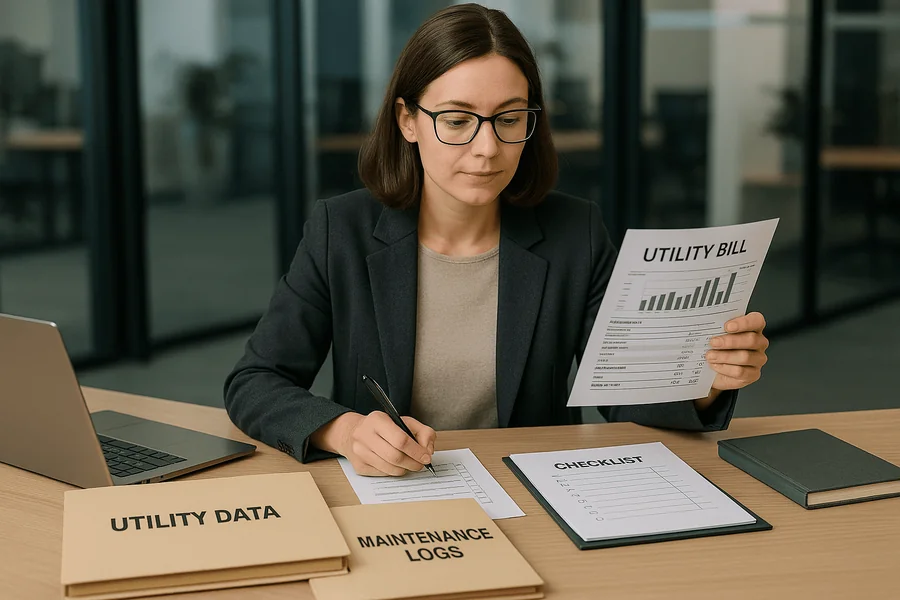
There is a particular kind of financial blind spot that affects even well-run businesses: recurring costs that never get questioned simply because they have always been paid without incident. Utility bills sit squarely in this category. They arrive, they get paid, and rarely does anyone stop to ask whether the rate on that bill still reflects the best deal available in the current market.
The Cost of Assuming Everything Is Fine
Businesses tend to apply rigorous scrutiny to costs that fluctuate or that require an active renewal decision. A software subscription that jumps in price triggers an internal conversation almost immediately. A landlord proposing a rent increase gets a negotiation. But energy contracts often lack that same trigger point, especially once they roll past their fixed term and onto a supplier’s standard variable rate.
The assumption that “it’s probably fine” is understandable given how many other priorities compete for a business owner’s attention, but it is also expensive. Variable and default rates are structured to be less competitive than negotiated contracts, precisely because suppliers benefit when customers do not actively shop around. Left unchecked, this quiet assumption can cost a business thousands over the course of a year.
Treating Utility Costs Like Any Other Vendor Relationship
Most businesses already have a process for reviewing vendor relationships periodically, whether that is renegotiating a supplier contract, comparing shipping providers, or shopping around for insurance. Energy and gas contracts deserve the exact same treatment, yet they frequently fall outside this standard review cycle simply because the service feels invisible. The lights turn on, the heating works, and there is no obvious signal that anything needs attention.
Bringing utility contracts into the same annual review process used for other vendors closes this gap. It means checking contract end dates, comparing current rates against what is available elsewhere, and treating a below-market rate as a problem worth solving rather than a cost of doing business.
What an Annual Utility Audit Actually Involves
A thorough audit starts with pulling together the last twelve months of bills for electricity and gas, noting total spend, usage patterns across seasons, and the exact date each contract is due to end. From there, the business should determine whether it is currently on a fixed-term contract or has already rolled onto a variable rate, since variable rates are typically the most expensive tier a supplier offers.
Once that picture is clear, the next step is gathering competitive quotes to see how the current rate compares against what else is available. For businesses in Ohio, comparing commercial electricity providers Ohio can also help identify more competitive options before renewing an existing contract. This is where a service built specifically for this purpose becomes useful. A Business Energy Comparison review pulls quotes from multiple suppliers based on the business’s actual consumption, laying them out side by side rather than requiring the business to contact each provider separately and interpret differing pricing structures on its own.
Why Timing the Review Matters
The ideal window to conduct this kind of review is roughly ninety days before the current contract’s expiry date. That timeframe allows enough room to gather multiple quotes, evaluate contract terms beyond just the headline rate, and negotiate or switch suppliers without the pressure of an imminent deadline forcing a rushed decision.
Businesses that wait until the last minute, or that miss the renewal date entirely, often find themselves defaulting onto the least favorable rate a supplier offers. Setting a recurring reminder tied to each contract’s actual end date removes this risk and keeps the review process proactive rather than reactive.
Looking Beyond the Unit Rate
A lower price per unit is not the only factor worth comparing. Standing charges, which apply regardless of how much energy is actually used, can meaningfully affect the total bill and vary considerably between suppliers. Contract length is another consideration: a shorter term offers more flexibility to react to market changes, while a longer term provides pricing certainty that can be valuable for budgeting purposes.
Exit fees deserve particular attention as well. A contract that looks attractive on the surface may include penalties for early termination that reduce its appeal once fully accounted for. Reviewing these terms carefully, rather than focusing solely on the advertised rate, leads to a more informed decision overall.
The Compounding Value of Doing This Every Year
A single utility audit might save a meaningful amount in its first year, but the real value comes from making it a recurring practice. Energy markets shift constantly. New suppliers enter regional markets, wholesale prices fluctuate, and promotional rates appear and disappear throughout the year. A rate that was competitive at last year’s renewal may no longer be the best option available today.
Businesses that build the habit of reviewing utility contracts annually, rather than treating it as a one-time fix, consistently keep their overhead closer to market rates. Over several years, this discipline can represent a substantial cumulative saving, freeing up capital that would otherwise disappear quietly into an outdated contract.
Getting Started Without Overhauling Everything at Once
For businesses that have never conducted a formal utility audit, the process does not need to start large. Beginning with a review of the single largest utility expense, often gas or electricity depending on the nature of the business, provides a manageable starting point. Once that first review demonstrates the value of the exercise, expanding it to cover water, telecoms, and other recurring vendor contracts becomes a natural next step.
The goal is not to chase the absolute lowest rate at every opportunity, which can lead to excessive switching and administrative overhead. Instead, the goal is simply to ensure that pricing stays reasonably aligned with market conditions on a consistent basis, rather than drifting upward unnoticed year after year.
Frequently Asked Questions
How often should a business conduct a utility audit?
Once a year is generally sufficient for most businesses, ideally timed around ninety days before the current energy contract’s renewal date.
Does comparing suppliers risk any disruption to service?
No. The physical delivery of electricity or gas remains unaffected by a supplier switch. Only the billing arrangement and contract terms change.
What documents are needed to start a utility audit?
The last twelve months of bills, the current contract’s end date, and the supplier’s name are usually sufficient to begin gathering comparison quotes.
Is it worth using a comparison service rather than negotiating directly with the current supplier?
Comparing the market first typically provides stronger negotiating leverage, since a business with competing quotes in hand is in a better position to either switch or negotiate an improved rate with its existing supplier.
What is the biggest mistake businesses make with utility contracts?
Letting a fixed-term contract lapse without reviewing it, which usually results in defaulting onto a supplier’s most expensive standard rate.