Belgium E-Invoicing After Year One: What Comes Next for B2B Firms
On 1 January 2026, Belgium became one of the first EU countries to require structured electronic invoices for almost all domestic B2B transactions. Almost a year later, the mandate is no longer a project on…
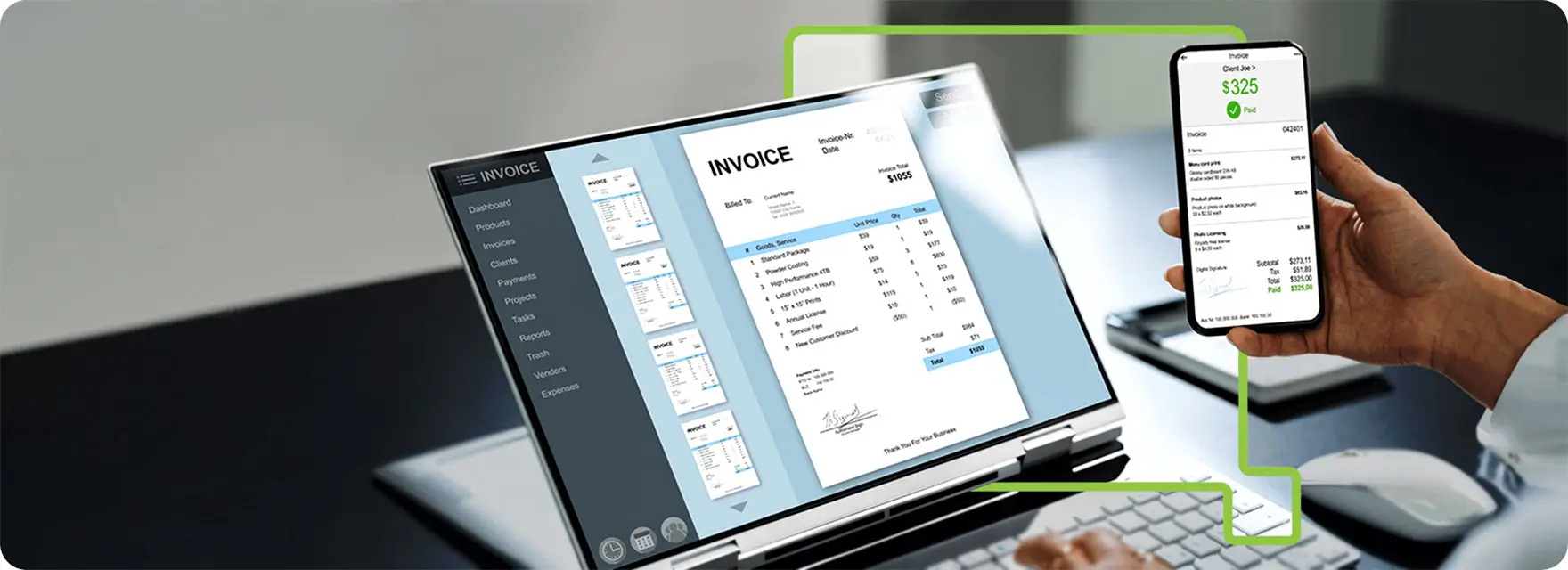
On 1 January 2026, Belgium became one of the first EU countries to require structured electronic invoices for almost all domestic B2B transactions. Almost a year later, the mandate is no longer a project on a roadmap. It is part of daily operations for every VAT-registered business in the country.
The first year has been a learning curve. Some companies were ready on day one, others relied on the grace period, and many discovered that sending a compliant file is only part of the job. With near real-time e-reporting planned for 2028 and the EU’s ViDA package shaping the long-term direction, now is a good moment to look back at what worked, check whether your electronic invoicing solution is ready for the next stage and plan the next phase.
What Changed on 1 January 2026
The rules for e-invoicing Belgium introduced are simple to state but demanding in practice. Invoices between Belgian VAT-registered businesses must now be issued and received in a structured electronic format. A PDF sent by email no longer counts as an e-invoice.
The main features of the mandate are:
- Scope: Domestic B2B transactions between businesses registered for VAT in Belgium.
- Format: Peppol BIS Billing 3.0 is the default standard, based on the European norm EN 16931. Other formats are allowed only if both parties agree.
- Network: Invoices are exchanged through the Peppol network via certified access points.
- Both sides: Businesses must be able to receive e-invoices as well as send them, so even companies with few sales invoices were affected.
The tax authority granted a three-month tolerance period from January to March 2026. Businesses that could show they had taken reasonable steps towards compliance were not fined during this period. Full enforcement started on 1 April 2026, with fines that rise for repeat offences.
Lessons From the First Year
Companies that went through the transition share a few common lessons. Most of them have little to do with the file format itself.
1. Master data matters more than expected. A Peppol invoice can only reach a customer whose Peppol ID is correct and registered. Many finance teams found outdated VAT numbers, duplicate supplier records or missing identifiers in their ERP. Each one became a rejected or undelivered invoice. Cleaning customer and supplier data was often the longest task of the whole project.
2. Receiving is harder than sending. Sending invoices is usually controlled by one system. Receiving them means handling files from hundreds of suppliers, each with its own habits. Teams that only prepared for outgoing invoices faced a backlog of incoming files they could not process automatically.
3. Exceptions need a process. Credit notes, partial deliveries, corrections and disputed invoices did not disappear with the mandate. Businesses that defined clear rules for these cases early had far fewer manual fixes later.
4. The grace period was short. Three months was enough time to fix small gaps, but not to start a project from scratch. Companies that waited until December 2025 to choose a provider spent the first quarter of 2026 under pressure.
5. The benefits are real. Once the flows were stable, many companies reported faster invoice approval, fewer payment disputes and less manual data entry. Structured data also makes VAT reconciliation easier, because the same information flows from the invoice into the books.
What Comes Next: E-Reporting From 2028
The 2026 mandate was the first step, not the final one. Belgium plans to add near real-time e-reporting from 1 January 2028. Under this model, key invoice data will be shared with the tax authority shortly after each transaction, through the same Peppol infrastructure businesses already use.
This changes the nature of compliance. Today, the main goal is to exchange invoices correctly with business partners. From 2028, the tax authority will see invoice data almost as quickly as the customer does. Any gap between invoices, VAT returns and accounting records will become visible much faster.
Three developments are worth watching:
- Final technical rules for e-reporting. The data fields, timing and correction procedures still need to be confirmed in detail. Businesses should follow official updates and adjust their plans as rules are published.
- Stricter enforcement. With the tolerance period over, fines now apply. Tax authorities usually become stricter as systems mature, not more lenient.
- EU alignment under ViDA. The EU’s VAT in the Digital Age package will introduce mandatory e-invoicing and digital reporting for intra-EU B2B transactions from 2030. Belgium’s model already follows the European standard, so companies that get the domestic process right will be better placed for cross-border rules.
For groups operating in several EU countries, Belgium is also a useful test case. France, Germany, Poland and others are moving in a similar direction on different timelines. Lessons learned in Belgium can shorten projects elsewhere.
A Practical Plan for 2027
The year between the first mandate and e-reporting is the right time to move from "compliant" to "stable." A simple plan could look like this:
- Review rejection data from 2026. Look at which invoices failed, why they failed and how long it took to fix them. This shows where processes are still weak.
- Finish the master data clean-up. Make sure every active customer and supplier has a correct VAT number and Peppol ID.
- Automate incoming invoices. Connect received e-invoices to purchase orders and approval workflows instead of re-keying them.
- Align invoices with VAT returns. Run regular checks between invoice data and the VAT ledger, so differences are found before the tax authority sees them in 2028.
- Map the wider picture. If the group trades in other EU countries, list upcoming mandates and check whether one approach can cover several of them.
The choice of an electronic invoicing solution plays a big role in how smooth this phase will be. A setup that only converts files to Peppol format may be enough for 2026, but e-reporting and cross-border rules will need more: validation before sending, clear error handling and a single view of invoice status across countries. Providers such as RTC Suite, which work with multi-country compliance requirements, are one option companies look at when they plan beyond a single mandate.
Conclusion
Belgium’s first year of mandatory B2B e-invoicing showed that the technical switch is achievable for most businesses. The harder work lies in data quality, exception handling and the link between invoicing and tax reporting. With e-reporting expected in 2028, companies that use 2027 to strengthen these foundations will face the next deadline with far less stress.