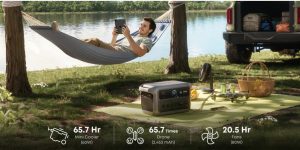
Solar Generator Features That Matter for Off-Grid Living
Choosing the right solar generator features is crucial for off-grid living. Focus on battery capacity, solar charging efficiency, and durability to meet…
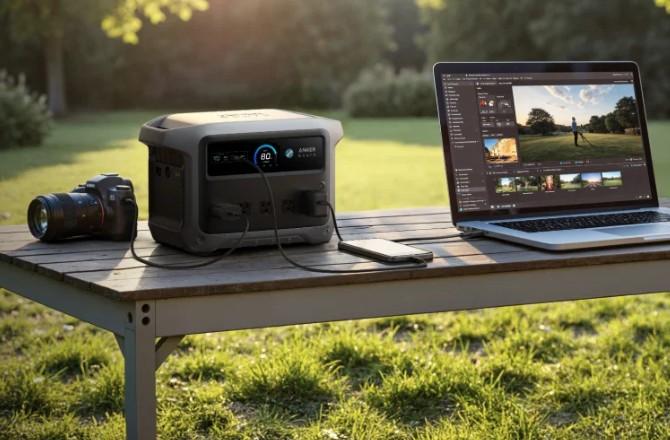
Living off-grid requires a dependable electricity supply for essential appliances, lighting, communication devices, and everyday activities. A well-chosen solar generator can store renewable energy and provide power when traditional grid connections are unavailable. However, battery capacity alone does not determine its suitability for independent living. Solar charging performance, inverter output, durability, and safety features also matter. Understanding these specifications helps you select a reliable power solution that supports your daily energy needs.
Battery Capacity and Power Output Features for Off-Grid Living
Choose Enough Battery Capacity for Daily Energy Needs
Battery capacity determines how much energy a solar generator can store, making it essential for off-grid living. Calculate your daily electricity consumption by multiplying each appliance's wattage by its operating hours. For example, devices consuming a combined 150W for eight hours require approximately 1,200Wh before accounting for conversion losses. Choose a battery with sufficient usable capacity to cover essential loads and overnight electricity needs. Include an additional reserve for unexpected demands or reduced solar charging.
Check Continuous Power Output and Surge Capacity
Continuous output determines how much electricity a generator can supply during normal operation, while surge capacity supports brief power demands from appliances starting up. The Anker SOLIX C1000 Gen 2 delivers 2,000W continuous output, 3,000W peak power, and 1,024Wh battery capacity, with 10 output ports for connecting multiple devices. These specifications help accommodate varied electrical needs. Check your appliances' combined running wattage and startup requirements to ensure they remain within the generator's supported limits.
Look for Expandable Battery Storage for Long-Term Use
Expandable battery storage provides flexibility as your off-grid electricity requirements increase. A solar generator that supports compatible expansion batteries can offer additional energy capacity without replacing the entire system. This feature is particularly useful when adding appliances, extending overnight power availability, or preparing for periods of limited sunlight. Check the maximum supported expansion capacity and connection requirements before purchasing. Consider your expected future electricity consumption to determine whether a modular battery system offers practical long-term value.
Solar Charging Features That Improve Off-Grid Power Reliability
Prioritize High Solar Input Capacity and MPPT Charging
Solar input capacity determines how much electricity a generator can accept from connected solar panels. Higher supported input can shorten charging times when sufficient sunlight and compatible panels are available. Look for maximum power point tracking (MPPT) technology, which adjusts electrical operating conditions to improve energy harvesting as sunlight changes. Compare maximum solar input wattage with your daily energy requirements. A well-matched charging system helps replenish battery reserves during daylight hours and supports dependable off-grid operation.
Check Solar Panel Compatibility and Charging Efficiency
Not every solar panel works with every generator, so verify compatibility before selecting equipment. Check the supported input voltage, current limits, connector type, and maximum solar charging wattage. Ensure the combined electrical specifications of connected panels remain within the manufacturer's requirements, including cold-weather open-circuit voltage. Charging efficiency also depends on panel orientation, shading, weather conditions, and conversion losses. Choosing compatible panels and positioning them carefully helps maximize available sunlight and maintain more consistent battery charging performance.
Consider Multiple Charging Options for Cloudy Days
Reliable off-grid electricity requires alternative charging methods when sunlight becomes limited. Choose a generator that supports additional charging sources, such as compatible wall outlets, vehicle connections, or approved external generators. These options provide flexibility during extended cloudy weather or unexpected increases in electricity consumption. Compare charging speeds, input limits, and necessary accessories before selecting a system. Maintaining more than one charging method reduces dependence on favorable weather and helps preserve essential battery reserves during prolonged periods of reduced solar production.
Durability, Battery Life, and Safety Features Worth Considering
Look for Long-Lasting LiFePO4 Batteries and Battery Management Systems
Lithium iron phosphate (LiFePO4) batteries are well suited to regular off-grid use because they offer strong thermal stability and long cycle life. Compare manufacturer-rated charge cycles and remaining capacity guarantees when evaluating battery durability. A built-in battery management system (BMS) adds protection by monitoring voltage, current, and temperature. It can restrict charging or discharging when unsafe conditions occur. These features support battery longevity, reduce electrical risks, and help maintain dependable performance through repeated charging cycles.
Evaluate Weather Resistance, Temperature Limits, and Build Quality
Off-grid environments expose power equipment to dust, moisture, temperature fluctuations, and accidental impacts. Choose a generator with durable construction and appropriate environmental protection for its intended installation location. Check the manufacturer's operating, charging, and storage temperature limits, particularly for freezing or extremely hot conditions. Weather-resistant designs offer additional protection, but not every generator is suitable for direct outdoor exposure. Ensure cooling vents remain unobstructed and follow installation guidelines to maintain safe operation throughout changing seasonal conditions.
Compare Output Ports, Pure Sine Wave Inverters, and Smart Monitoring
A versatile generator should provide sufficient AC outlets, USB connections, and DC ports for your essential equipment. Pure sine wave inverters deliver stable AC electricity suitable for many sensitive electronic devices, including computers and communication equipment. Check each outlet's rated output and the system's combined power limit. Smart monitoring features can display battery percentage, electricity consumption, charging input, and estimated runtime. Access to this information helps you identify unnecessary energy use and plan power consumption more effectively.
Conclusion
Choosing the right solar generator for off-grid living involves more than comparing battery sizes. Prioritize sufficient energy storage, reliable inverter output, efficient solar charging, and compatibility with essential appliances. Expandable batteries, multiple charging methods, and durable construction provide additional flexibility for long-term use. Battery management systems and smart monitoring also support safer operation and better energy planning. Evaluating these features carefully helps create a dependable electricity supply for comfortable, independent living.