Standalone or All-in-One? Choosing a Smith Machine for Your Available Floor Space
Choosing the right smith machine for your gym involves evaluating floor space, training needs, and equipment functionality to maximize member experience and…
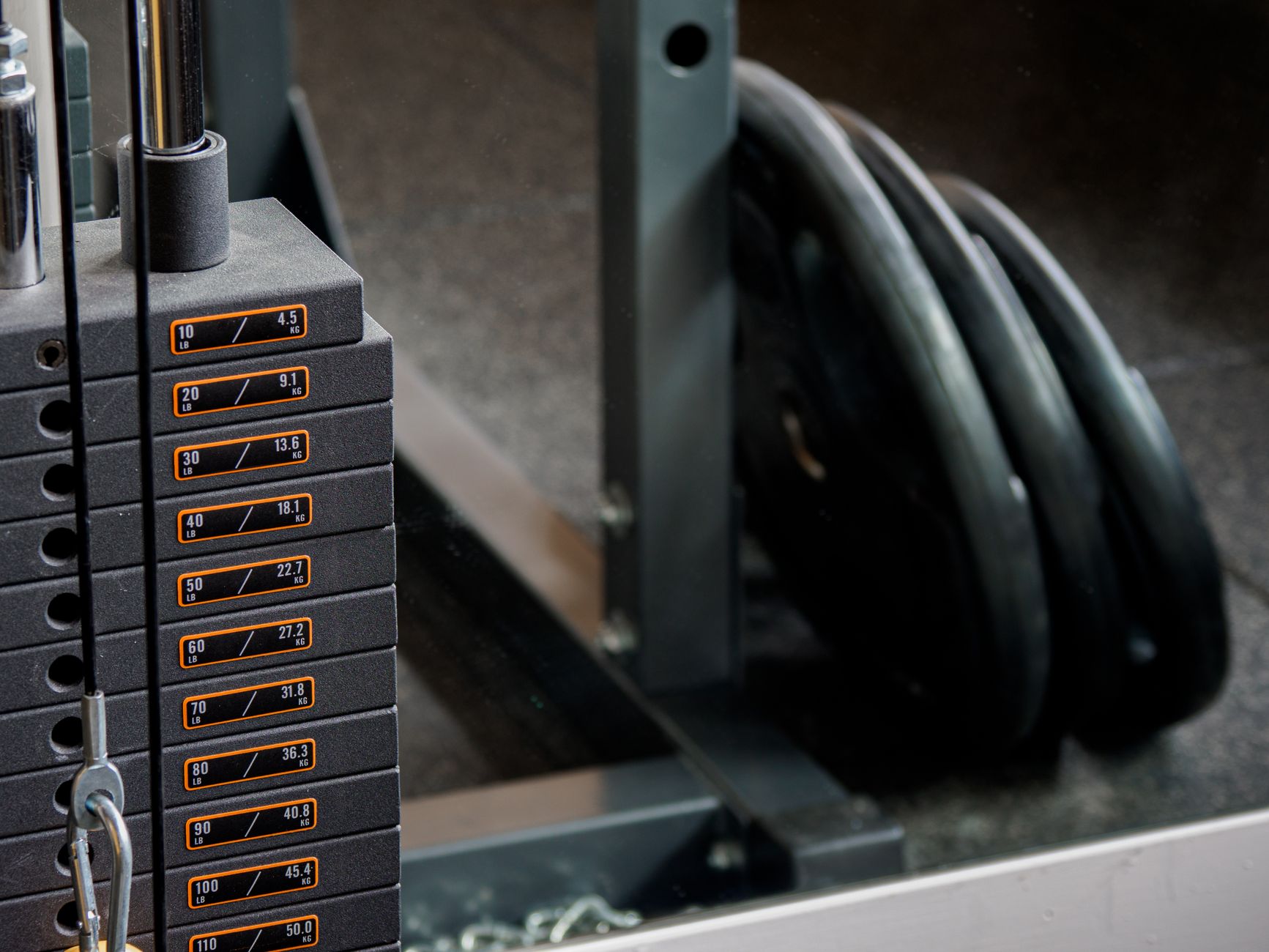
Floor space is one of the most important resources in a commercial gym. Every equipment acquisition must justify the space it takes up, the training opportunities it creates, and the value it provides to members. This is especially crucial when choosing a smith machine because facilities must decide whether a standalone device or an all-in-one design best fits their layout and training needs.
Both solutions have practical benefits, but the best option relies on the facility's size, member demographics, training programmes, and total equipment mix. Understanding these distinctions can assist gym owners in making a more informed investment in commercial gym equipment without sacrificing functionality or floor efficiency.
Understanding Standalone Smith Machines
A standalone Smith machine is primarily designed for directed barbell movement. The fixed bar route creates a regulated training environment for activities like squats, bench presses, shoulder presses, and lunges.
A standalone facility can be a useful addition to commercial facilities that already have a strength training space. It has a specialised station for members who frequently add guided resistance exercises into their workouts.
Key advantages include:
- Dedicated functionality: The equipment serves a clear purpose without introducing additional features that may not be required.
- Straightforward gym layouts: Its defined footprint makes it easier to plan dedicated strength training zones.
- Training consistency: Members can use the same station for a range of guided barbell exercises.
- Complementary equipment planning: It works alongside free weights, benches, squat racks and other strength machines.
For gyms with sufficient floor space and a broader equipment selection, a standalone unit can provide a focused training option without unnecessary complexity.
What Makes an All-in-One Smith Machine Different?
An all-in-one Smith machine combines guided barbell training and extra exercise options. Depending on the configuration, this could contain cable systems, pull-up stations, weight storage, and other training attachments.
The primary advantage is adaptability. Instead of designating separate floor space for various pieces of equipment, facilities can allow several training movements within a single integrated station.
This is especially useful for boutique studios, smaller commercial gyms, and facilities with limited floor space.
Potential benefits include:
- Multiple training options: Members can perform different exercises using one equipment station.
- Space consolidation: Several training functions can be accommodated within a shared footprint.
- Flexible programming: Coaches can incorporate different resistance exercises into individual or group training sessions.
- Equipment planning efficiency: Fewer standalone stations may be needed to support a varied training programme.
However, additional functionality does not necessarily make an all-in-one item a better investment. Gym owners should consider if members will use its features on a regular basis and whether the configuration meets their specific training needs.
How to Choose Based on Available Floor Space
Floor space must be evaluated alongside equipment functionality, accessibility, and member movement. Simply selecting the machine with the smallest advertised footprint may result in practical constraints after it is installed.
1. Assess Your Existing Equipment Layout
Begin by reviewing the current strength training area. Determine which equipment is currently available and where there are functional gaps.
If the facility has dedicated cable stations, squat racks, and other strength equipment, a single Smith machine may suffice. However, if several training functions are absent, an all-in-one setup may provide more benefit.
2. Account for Training Clearance
Equipment dimensions are just one aspect of space planning. Members also require enough space to approach and exit the station, load weight plates, adjust attachments, and conduct exercises securely.
Consider the manufacturer's required clearances, adjacent equipment, and natural movement patterns in the gym.
3. Understand Member Usage
A commercial gym serving experienced strength athletes may have distinct needs than a boutique studio catering to general strength and conditioning.
Consider peak-hour usage, popular exercises, and the number of members who will likely use the station at the same time. A multifunctional machine may eliminate the need for extra equipment, but it can also constitute a bottleneck if multiple members rely on the same device.
4. Evaluate Long-Term Value
The purchasing price should not be the sole factor. Assess the machine's construction quality, intended use, available attachments, maintenance requirements, and suitability for a commercial context.
A well-selected unit should meet the facility's training needs in the long run.
Making the Right Investment for Your Facility
The choice between a standalone and all-in-one Smith machine comes down to how well the equipment meets your facility's training needs.
When devoted guided resistance training is a top priority, consider a standalone model. An all-in-one structure may be more appropriate when space is restricted and several training functions must be accommodated inside a single station.
Rather than focusing just on features, gym owners should consider their available floor space, member needs, and existing equipment mix. The most effective commercial gym equipment investment is one that improves the training atmosphere, encourages consistent member utilisation, and meets the facility's long-term operational requirements.