Can AI Create Realistic Food Photography for Restaurants?
A restaurant dish needs to look as appealing on a screen as it does on the table. The color of a sauce, the texture of freshly baked bread, and the arrangement of ingredients all influence…
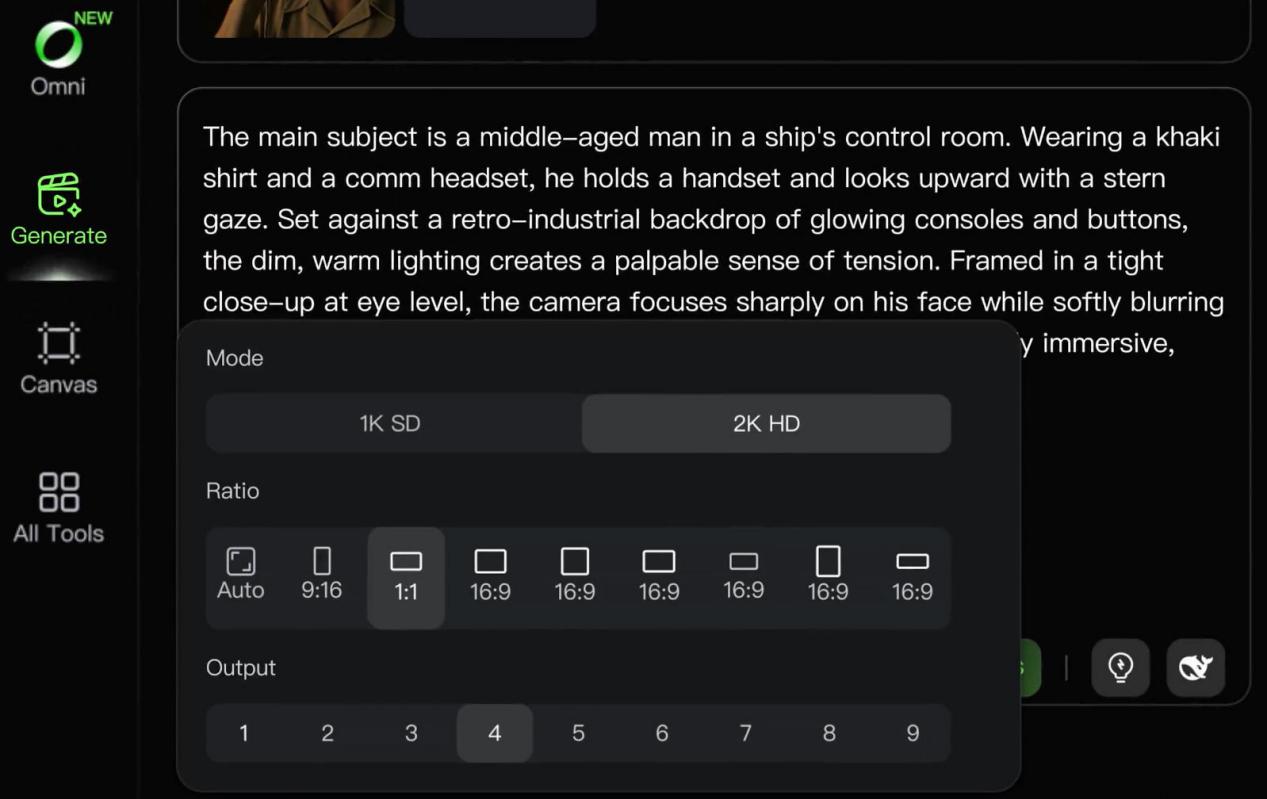
A restaurant dish needs to look as appealing on a screen as it does on the table. The color of a sauce, the texture of freshly baked bread, and the arrangement of ingredients all influence how customers perceive a meal. AI image generation introduces new possibilities for restaurant photography by translating food descriptions and visual references into detailed images. The interesting question is how well these images communicate freshness, flavor, presentation, and the restaurant’s culinary identity.
What Makes AI-Generated Food Photography Look Realistic?
Texture Is What Makes Food Look Appetizing
Realistic food photography depends heavily on surface details. A freshly baked croissant needs visible flaky layers, while grilled meat should show its browned exterior and natural texture. A bowl of soup might require a glossy surface, visible ingredients, and subtle steam to communicate warmth. These characteristics make food visually recognizable and appealing. When describing a dish to an ai photo generator, creators should specify its ingredients, preparation method, surface texture, and presentation. Instead of simply requesting a delicious-looking pasta dish, a more detailed prompt might describe creamy sauce coating individual strands, freshly grated cheese, and herbs arranged naturally on top. Such details establish a much clearer visual target.
Lighting Changes How Customers Perceive a Dish
Lighting influences the way customers interpret food before they even read a menu description. Soft side lighting reveals the texture of pastries, while warmer illumination creates an inviting atmosphere around roasted dishes and hot drinks. Directional light also introduces natural-looking shadows that give food more visual depth. Restaurant photography often combines these lighting choices with carefully selected backgrounds and table settings. AI-generated images can explore different lighting arrangements through descriptive prompts. For example, a restaurant might request a breakfast scene with gentle morning sunlight, warm wooden surfaces, and soft shadows. These instructions establish an atmosphere that supports the dish rather than simply placing it against an attractive background.
Composition Gives Every Ingredient a Purpose
A successful food photograph directs attention toward the dish while keeping the surrounding elements visually balanced. A close-up might emphasize the layers of a dessert, while a wider composition could include cutlery, drinks, and table decorations to suggest a complete dining experience. Camera angle also changes how customers perceive portion size and presentation. A top-down arrangement works particularly well for colorful bowls and shared dishes, whereas a lower perspective can emphasize the height of a burger or layered cake. AI image generation allows restaurant marketers to explore these compositions through written instructions. They can experiment with framing, plate placement, background details, and visual emphasis before selecting an appropriate direction for a campaign.
How Restaurants Can Use AI to Develop Food Visuals
Start With the Actual Dish and Its Signature Details
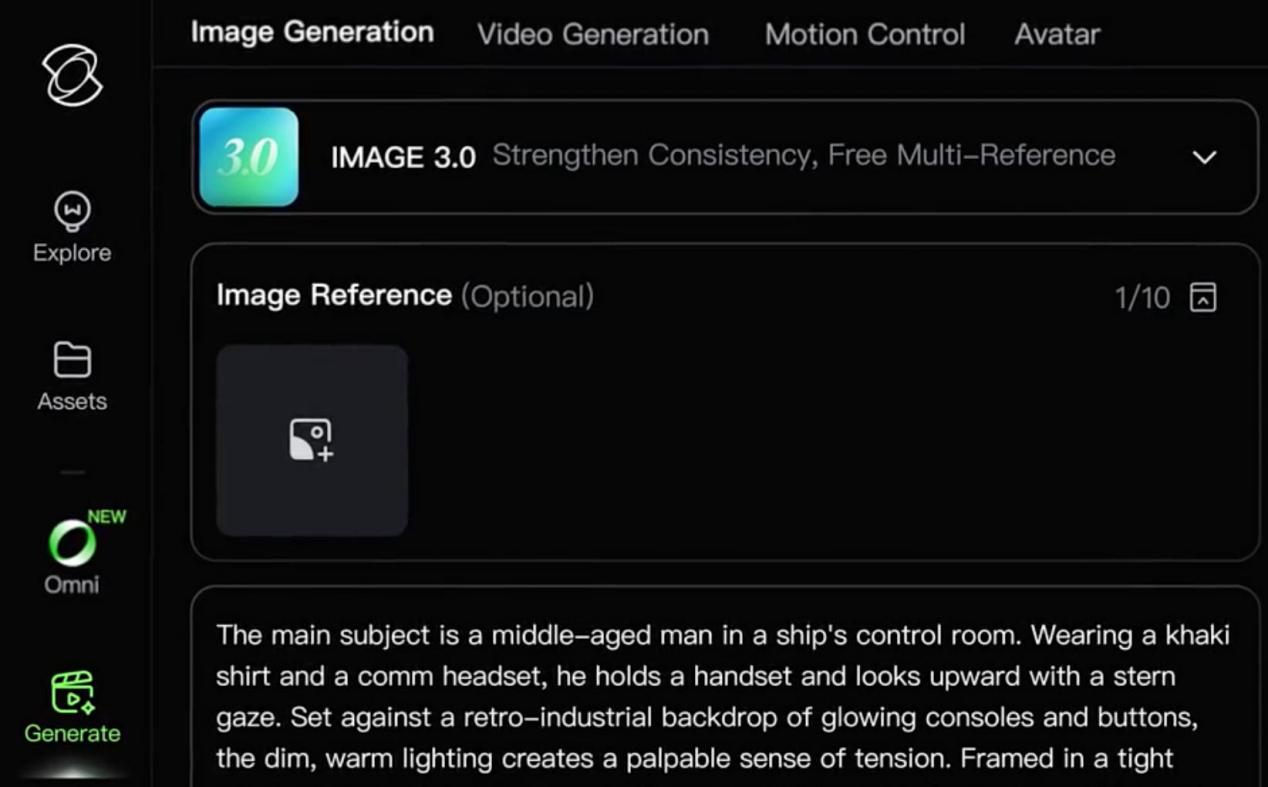
The most useful starting point for restaurant food photography is a clear understanding of the dish itself. Creators should identify its main ingredients, distinctive colors, preparation style, serving arrangement, and signature presentation. Reference photographs can provide additional visual information when the restaurant wants to preserve a recognizable plating style. Kling AI makes this process accessible through its IMAGE 3.0 image generation workflow. Users can describe the dish and its surroundings, then upload reference images when specific visual characteristics need to carry into the result. Kling IMAGE 3.0 supports up to 10 reference images, allowing creators to combine relevant details into a cohesive visual direction.
Develop a Consistent Look Across the Menu
Restaurant marketing rarely depends on one photograph. A menu might contain dozens of dishes, each requiring its own composition while maintaining the same overall visual identity. Consistency comes from repeating selected elements, such as background materials, lighting direction, color treatment, and camera perspective. A seafood restaurant, for example, might establish a visual direction around natural light, pale table surfaces, and fresh coastal colors. Its seafood dishes, side plates, and drinks could then follow the same creative approach. Kling IMAGE 3.0 supports adjustments to composition, lighting, and visual details. This gives creators room to develop individual food images while retaining a recognizable campaign aesthetic.
Turn Food Concepts Into Complete Marketing Campaigns
Food photography also serves purposes beyond printed menus. Restaurants need visuals for social media, seasonal promotions, website banners, delivery platforms, and special dining events. Each channel may require a different composition or framing approach. A dessert might appear in a detailed close-up for a social media post, while a wider arrangement could communicate the atmosphere of a seasonal dining campaign. Kling IMAGE 3.0 Omni supports cohesive image series with intentional shot progression and varied framing, alongside native 4K output. Restaurants can explore a connected collection of promotional visuals around a particular menu theme. Generated images can also enter Kling AI’s image-to-video workflow, creating additional opportunities to present food concepts through motion-based content.
Conclusion
AI can create realistic food photography by interpreting ingredients, textures, lighting, composition, and presentation details. For restaurants, its value extends beyond producing individual attractive images. It also offers a way to explore menu concepts, establish visual consistency, and develop connected promotional materials. Kling AI brings prompt-based creation, reference-supported generation, and image series into one creative workflow. With a clear visual direction and carefully prepared references, restaurants can explore fresh ways to present their culinary identity across digital channels.