Good Moisturizer For Combination Skin Options That Actually Balance Your Face
The struggle of managing a face that cannot decide if it is a desert or an oil slick is exhausting. It is a daily, grueling negotiation between the forehead and the cheeks. Most people spend…
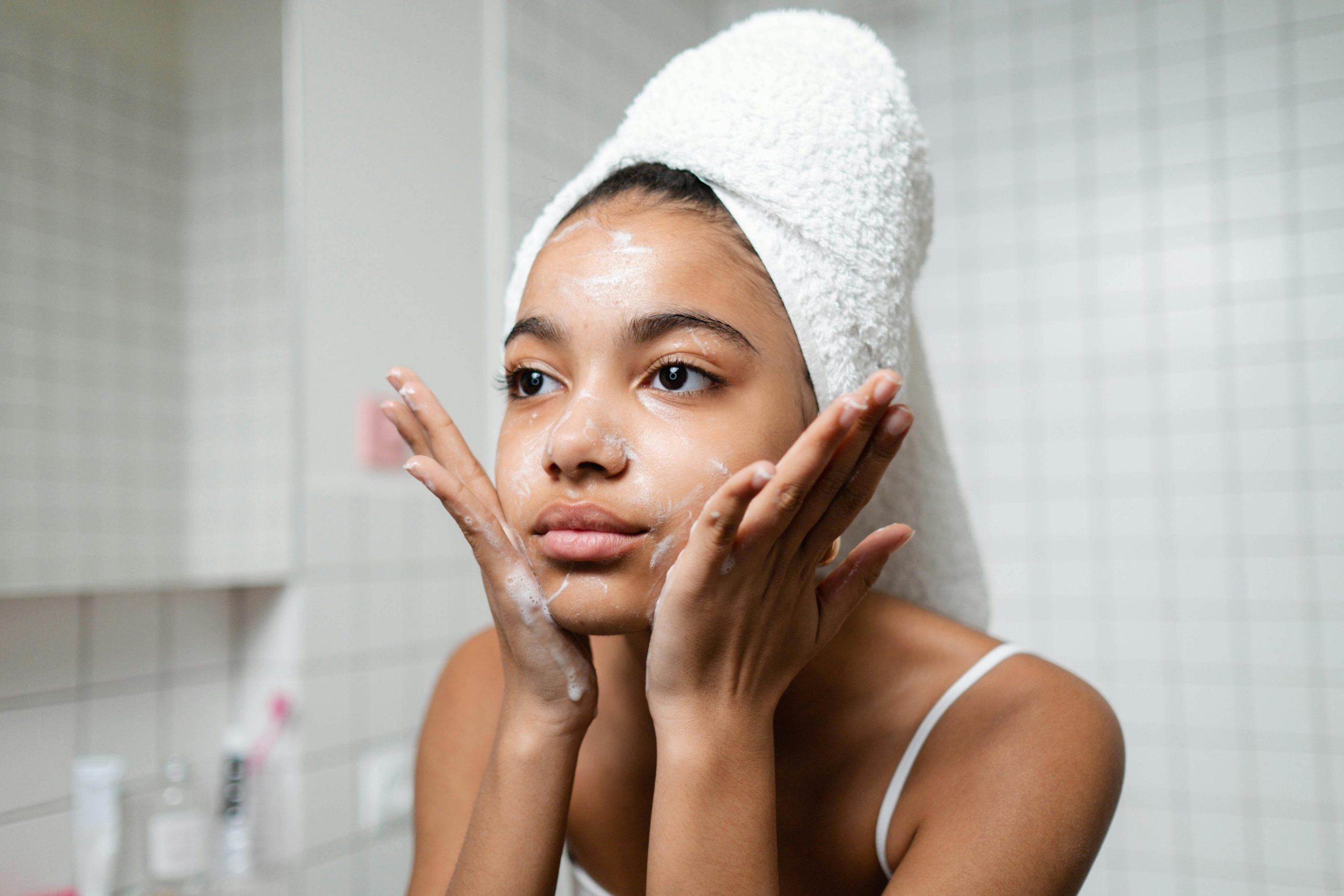
The struggle of managing a face that cannot decide if it is a desert or an oil slick is exhausting. It is a daily, grueling negotiation between the forehead and the cheeks. Most people spend half their lives hunting for a good moisturizer for combination skin. However, it only ended up with a graveyard of half-used bottles. These products either cause a volcanic breakout or leave the jawline feeling like ancient parchment. It is frustrating. It is expensive. Looking in the mirror at 2:00 PM to see a nose reflecting light like a laser beam while the skin flaked off ten minutes ago is enough to make anyone give up.
The Physiological Puzzle Of The Split Personality Complex
Combination skin is not merely a “type.” It is a chaotic physiological puzzle. The sebaceous glands in the T-zone—the forehead, nose, and chin—are simply overachievers. They pump out sebum like it is their only purpose in life. Meanwhile, the cheeks and the area around the eyes often lack the lipid barrier necessary to hold onto a single drop of hydration. This creates a literal civil war on the surface of the skin.
What is the real solution here? Most people make the amateur mistake of treating the whole face for the most annoying symptom. If they see a little shine, they reach for harsh, stripping foams that would be better suited for cleaning a garage floor. If they see flakes, they slather on heavy, occlusive creams. Both approaches are absolute disasters. A quality moisturizer for combination skin must act as a mediator. It needs to provide enough water-based hydration to satisfy the parched spots without adding the heavy oils that trigger a total meltdown in the T-zone. It is about balance, not total dominance.
Decoding The Ingredient Label Without A Science Degree
Reading a skincare label shouldn’t require a PhD in chemistry, but the industry sure makes it feel that way. The key is hunting for “humectants.” These are the unsung heroes of the combination skin world. Think of them as tiny, molecular magnets that pull moisture from the air and shove it into the skin cells. Hyaluronic acid is the one everyone screams about, and for good reason. It holds 1,000 times its weight in water. It hydrates the dry patches perfectly but feels like absolutely nothing on the oily parts.
Then there is niacinamide. This is the Swiss Army knife of skincare ingredients. It helps regulate oil production in the areas that are trying too hard while also strengthening the skin barrier on the cheeks. It is one of those rare ingredients that actually understands the assignment. Don’t forget squalane, either. It mimics the skin’s natural oils but is lightweight enough that it won’t clog a single pore. If a product contains these three, it is probably going to be a winner.
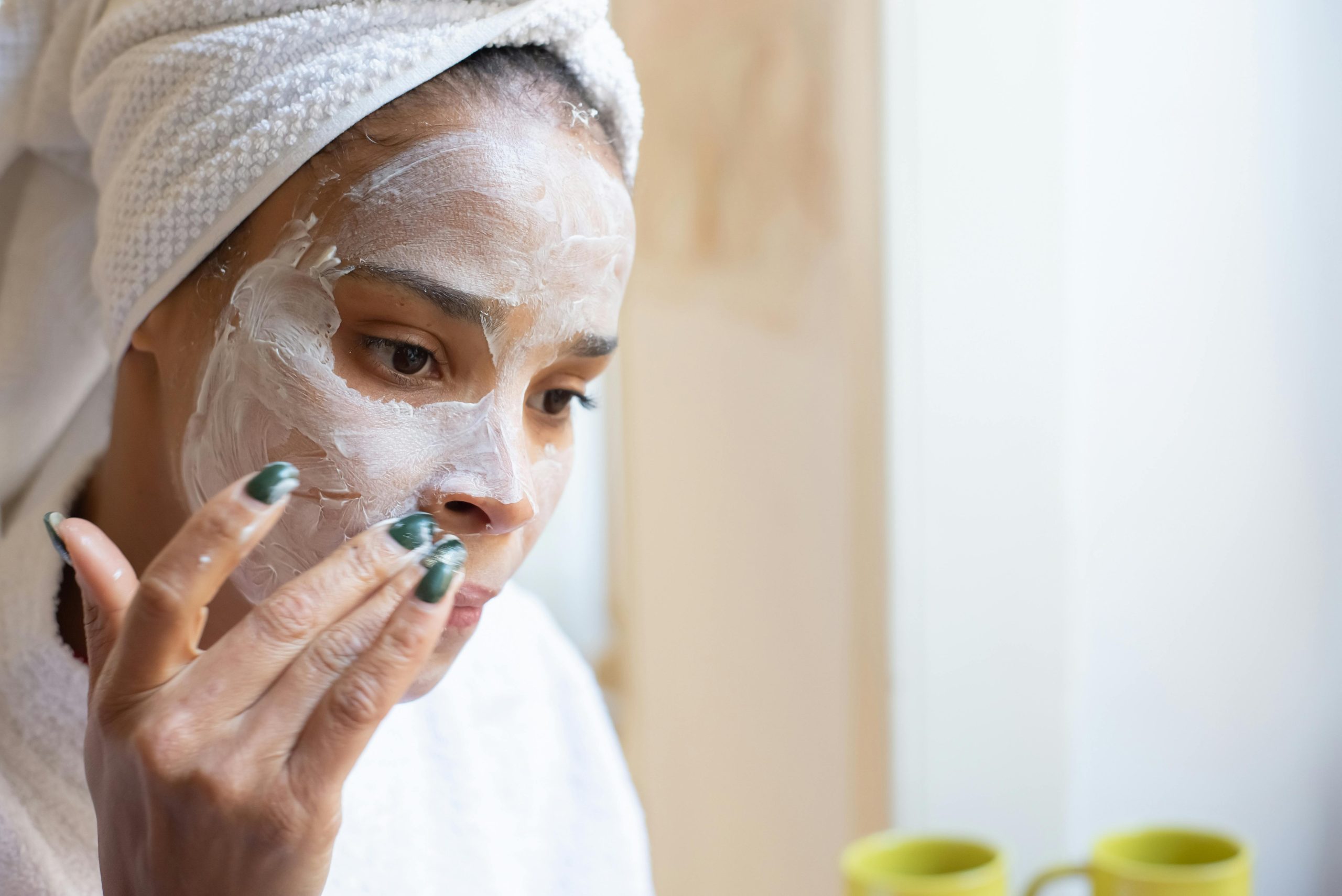
Image Source: Pexels
The Case For The Gel Cream Hybrid Formula
For a long time, the beauty world was divided into “gels” and “creams.” Gels were for the oily kids, and heavy creams were for the dry ones. Those stuck in the middle were left out in the cold. Enter the gel-cream. These formulas are the industry’s desperate answer to the combination skin crisis. They have the refreshing, immediate absorption of a gel but carry enough weight to actually do something for the dry areas.
Why do they work so well? They are usually formulated with a high water content and “silicone-free” lipids. They sink in within seconds. No one has time to wait twenty minutes for their face to dry before putting on makeup or heading out the door. The goal is skin that feels “plump” rather than “greasy.” If the skin feels tacky ten minutes after application, the formula is likely too heavy for the T-zone. But if it feels tight again within an hour, it is too light for the cheeks. The gel-cream hits that sweet spot every single time.
Why Oil Free Does Not Always Mean Moisture Free
There is a persistent, annoying myth that oily skin doesn’t need moisture. This is arguably the biggest lie ever told in the beauty industry. In fact, when oily skin gets dehydrated, it actually produces more oil to compensate. It is a vicious, shiny cycle that never ends. Using a good moisturizer for combination skin that is oil-free but packed with water-binding ingredients can actually trick the skin into finally calming down.
Let’s be real for a second, though. “Oil-free” is often just a marketing term. Some “oils” are actually very beneficial. What people usually want to avoid are heavy occlusives like petrolatum or thick mineral oils that sit on top of the skin like a layer of plastic wrap. Instead, look for lightweight plant-derived oils if a boost is needed. But for the most part, a water-based focus is going to be the safest bet for anyone prone to that midday T-zone shine.
Master The Art Of Strategic Zone Moisturizing
Who says one product has to do all the heavy lifting? The industry-insider secret is called “multi-moisturizing.” It sounds high-maintenance, but it really isn’t. It just means using different products on different parts of the face. A lightweight, mattifying gel goes on the forehead and nose. A richer, ceramide-heavy cream goes on the cheeks and neck.
For those who just want one bottle—because counter space is a luxury—the trick is in the application technique. Start by applying the product to the dry areas first. Rub it into the cheeks, the jaw, and under the eyes. Then, take whatever tiny bit is left on the fingers and lightly pat it onto the forehead and nose. This ensures the oiliest parts get the least amount of product while the thirsty parts get the lion’s share. It’s simple. It’s effective. It saves money.
Read More: How to Cover a Pimple With Makeup Like a Pro
Five Red Flags To Avoid In Your Skincare Routine
- Alcohol-heavy toners that smell like a doctor’s office. They strip the skin and cause a rebound oil effect.
- Thick, balmy textures that don’t spread easily. If it feels like Spackle, keep it far away from the T-zone.
- Heavy synthetic fragrances. Combination skin is often sensitive skin in disguise, and perfume is just asking for a rash.
- Over-exfoliating. Just because the nose is oily doesn’t mean it needs to be scrubbed with sandpaper every single night.
- Ignoring the neck. The neck is almost always dry and will show age much faster than a well-hydrated face.
Setting Realistic Expectations For Skincare Success
Skincare is not magic. It is biology. A product might be the most “knowledgeable” formula on the planet, but it won’t change DNA overnight. Most people give up on a new moisturizer after three days because they don’t see an immediate “glow.” But the skin takes about 28 days to go through a full cell turnover. You have to give it time to adjust.
Don’t forget the weather. Skin in July is not skin in January. A moisturizer that worked perfectly in the humidity of summer might fail miserably when the radiator starts clanking in the winter. A smart routine is a flexible one. Sometimes one has to swap that lightweight gel for something a bit more substantial when the wind starts biting. Listen to the skin. It usually knows what it needs long before we do.
Closing The Chapter On Your Skin Search
Finding the right balance doesn’t have to be a lifelong quest. Focus on those humectants. Embrace the gel-cream textures. Stop being afraid of hydration just because a little shine shows up at lunch. When the right ingredients are in play, the skin stops fighting itself. It starts looking balanced, healthy, and—dare we say—actually good.
FAQs
Can I skip moisturizer if my T-zone is very oily?
Absolutely not. Skipping it makes the skin think it is under attack, causing it to produce even more grease. Use a light gel instead.
How much product should I actually use on my face?
A nickel-sized amount is usually plenty for the face and neck. Using more doesn’t help; it just wastes money and clogs pores.
Is it okay to use face oil on combination skin types?
Yes, but keep it to the dry patches only. Squalane or jojoba are the best options as they won’t feel heavy or greasy.
Why does my skin feel dry and oily at the same time?
This usually means the skin is dehydrated (lacking water) but still producing oil. You need water-based hydration, not heavy fats.