What Should Landlords Expect From A Truly Premier Property Management Provider?
Many people list their properties expecting rent to come in every month easily. Unfortunately, the estate management market doesn’t work like that. In fact, many landlords can hardly break even after covering property maintenance, taxes,…

Many people list their properties expecting rent to come in every month easily. Unfortunately, the estate management market doesn’t work like that. In fact, many landlords can hardly break even after covering property maintenance, taxes, and legal representation.
Everyday management and long-term profitability require specialized legal knowledge, physical asset upkeep, and strict financial accounting. However, real estate professionals with a stellar record should handle these tasks.
Outsourcing property management to the experts protects landlords from liabilities and errors that could bring harsh penalties. If you are considering hiring property management services, you probably have questions about how they work and how they can help.
In this article, we explore what a proven property management provider is and what to expect when you partner with them.
1. Planned Maintenance and Vendor Supervision
The last thing any landlord wants is to constantly spend on repairs. Yet, they make the mistake of waiting for structural or mechanical systems to break before taking action. This leads to unnecessary expenses, and they end up spending half the rent on maintenance.
Landlords can preserve their property conditions far better when they establish structured maintenance routines early. A professional management team can help conduct routine site walk-throughs to examine roofs, plumbing fixtures, heating units, and foundation lines. By catching minor issues like small pipe leaks or worn furnace parts early, they can prevent major repair costs.
Besides the challenge of proper maintenance planning, landlords often pay a lot for these services. However, established premier property management services leverage larger property portfolios to secure lower contractor rates and priority scheduling. They log maintenance requests immediately through direct reporting channels, fast-tracking urgent repairs while documenting routine work to track equipment lifespans over time.
2. Rigorous Tenant Screening and Market Pricing
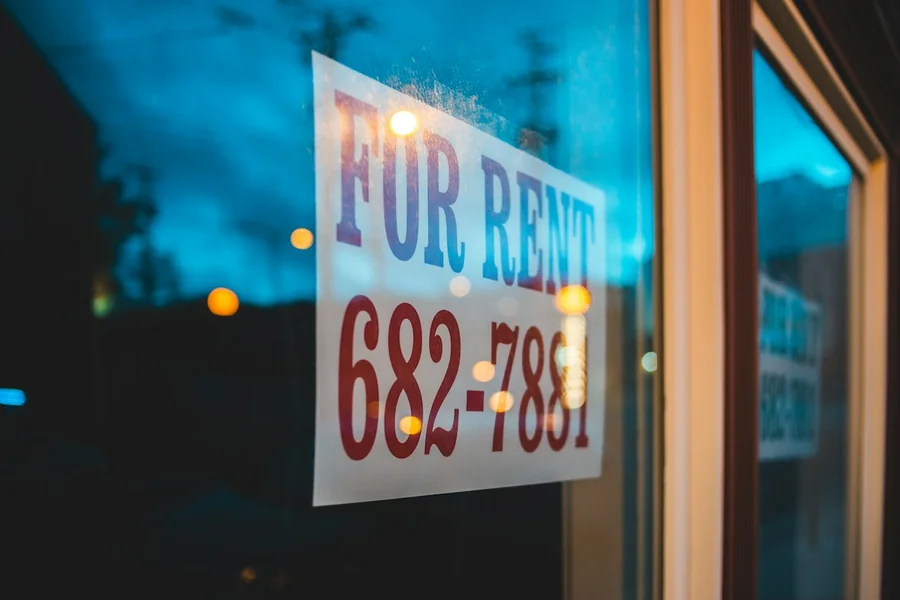
Certain factors can quickly turn this potentially lucrative income stream into a financial nightmare for landlords. One major cause of financial loss in rental property ownership is extended vacancy. This shows the importance of understanding correct market pricing in real estate.
Setting the correct rental price requires more than looking at basic local listings. Regional supply, neighborhood demand, seasonal move-in trends, and localized historical data must be evaluated to price a property competitively without sacrificing monthly income.
Likewise, criminal background histories, civil eviction filings, and previous landlord references are cross-checked. Fair housing laws must be strictly adhered to throughout this evaluation process to ensure that applicant selection is objective, lawful, and consistent. While these processes might seem daunting for the average landlord, a property manager can handle them quickly and more accurately.
3. Legal Compliance and Risk Prevention
Every state and municipality has unique regulations or preemptions on residential rental operations. They often update the regulations surrounding security deposit holdings, lease termination notices, habitability requirements, and property access rights. Ignorance of these statutory details exposes property owners to severe legal penalties and tenant counterclaims.
Lease agreements should be prepared with direct input from legal professionals to reflect current local legislation. Terms regarding late fees, occupant limits, pet rules, and entry protocols must be legally enforceable. For instance, should an eviction become unavoidable due to material lease breaches, landlords must serve state-compliant statutory cure notices.
Failing to follow these regulations due to insufficient information is not an excuse; it may result in penalties. By adhering strictly to procedural laws, property management providers minimize legal disputes and uphold your property rights.
4. Precise Financial Accounting and Statements

Experienced landlords are mindful of their tax situation. However, many homeowners lack the modern technology to manage their account statements and ease tax filing. Clear financial reporting is essential for evaluating property performance and preparing tax filings, and property managers excel in this area.
These experts maintain investor accounts using dedicated software to note income and expenses as they come in. Every line item, including collected rents, utility chargebacks, management fees, and vendor repair invoices, is backed by digital documentation.
Every month, they send detailed statements, outlining net cash flow, operating expenses, and reserve fund balances. At the end of the fiscal year, accounting records are organized into clear tax packages, including Form 1099 statements and itemized expense ledgers. This structured record-keeping allows property owners to track cash flows accurately and claim all eligible tax deductions.
5. Long-Term Value Creation and Lease Renewals
Property managers usually discover opportunities in real estate that may elude landlords. For instance, they prioritize tenant retention because lease turnovers generate costs related to repainting, cleaning, advertising, and temporary vacancy. They may negotiate renewal terms two to three months before a lease expires, using updated market data to adjust rents while keeping reliable tenants in place.
After considering the physical property upgrades, management providers evaluate which improvements will help landlords get higher rent. They also assess upgrades to interior fixtures, appliances, or energy efficiency based on their potential to increase monthly rental rates relative to installation costs. Through continuous operational oversight, property management functions as an active mechanism for capital preservation.
Property Management Beyond Today
In the ever-changing real estate scene, new developments will eventually catch landlords unawares. Those who hand over their property management responsibilities to reliable experts are primed for long-term return on their investment.
By enforcing thorough tenant selection, performing routine property maintenance, and providing organized financial reports, management providers protect real estate assets from unnecessary financial loss. These experts will also make sure that landlords remain compliant with local legislation without missing out on new market opportunities.
You don’t have to wait for a crisis before seeking a professional estate management assistant. Partner with premier property management services near you today and see your property work for you.