How to Choose the Right Tools for Mowing, Trimming, and Everyday Yard Care
A tidy yard is not one that is owned by a lot of equipment, it’s one that’s outfitted with the right tools for the job, the time of year, and the property. Suburban lawns are…
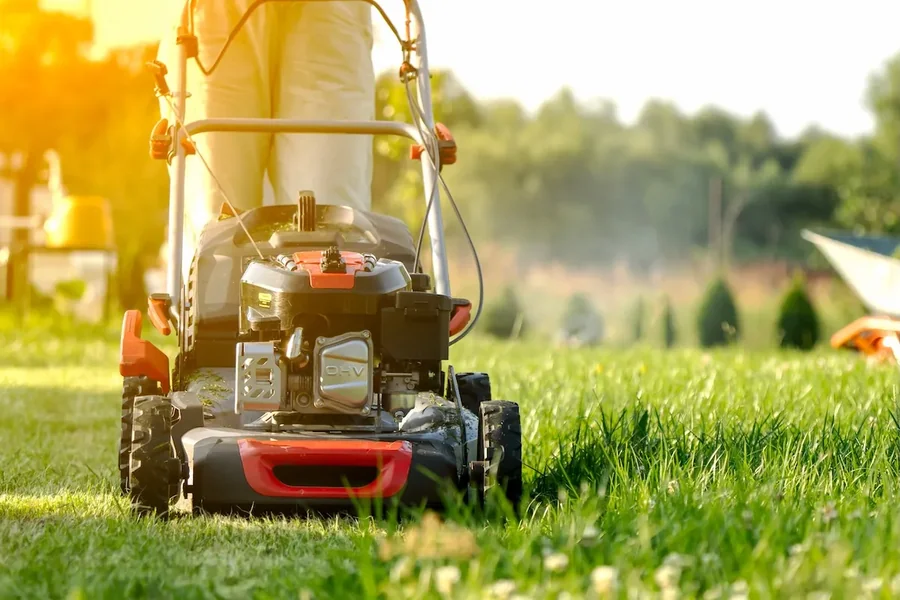
A tidy yard is not one that is owned by a lot of equipment, it’s one that’s outfitted with the right tools for the job, the time of year, and the property. Suburban lawns are far simpler than sloped backyards with overgrown borders, lots of edging and mature trees. Knowing those differences can help homeowners make intelligent purchases, use their tools to work more efficiently and prevent equipment that sits in the garage without being put to use.
It’s best to evaluate maintenance requirements first, then develop an efficient tool box of lawn care tools. Each of these tasks requires different capacities and the proper mix can make outdoor maintenance a lot easier.
Start With Your Yard’s Size and Layout
Take time to think about the area you care for and what are the possible barriers in your area. The size of the lawn will determine how much cutting can be done, and terrain and landscaping will determine how it can be maneuvered.
Small and Medium-Sized Lawns
A push mower might be enough for smaller yards that don’t need the storage space that a larger mower can offer. Consider cordless electric models if easy start-up, relatively quiet running and low routine engine maintenance are important.
If the property has any gentle slopes, medium sized lawns could use a wider cutting deck or self-propelled mower. But a wider deck isn’t necessarily superior. Compact mowers might be easier to use with narrow gates, flower beds and irregular boundaries.
Larger or More Complex Properties
Bigger lawns will demand more attention to battery life, cutting width and charging. A mower that mows your home well for the first half will be a hassle if it can’t get the job done on a single charge.
Sizing up mowing area instead of taking total property measurements. By eliminating grass that is not being mowed, houses, driveways, patio areas and planting beds can make up a significant portion of the lawn area.
Match Each Tool to Its Specific Job
There are a number of activities involved in everyday yard care and the equipment used for one activity may not be appropriate for another.
Lawn Mowers for Consistent Cutting
When checking on a mower, don’t just consider cutting width. There are a number of factors that will impact the final lawn and the maintenance time, such as adjustable cutting heights, collection of grass, deck design, and ease of cleaning.
It’s important to trim at a certain height since over-cutting may cause stress on the turf, particularly in hot, dry weather. A mower that easily changes height makes it more convenient to adjust to seasonal growth and grass conditions.
String Trimmers for Edges and Obstacles
String Trimmers for grass near fences, trees, posts and mower areas. Weight, balance, swath and line-feed are important factors.
If you have a small lawn and need to adjust it from time to time, a lightweight one can be enough. Higher power and longer operating time may be needed if properties are extensively fenced or have lots of vegetation. Trimmers should be used in conjunction with – not in place of – an appropriate mower in large grassy areas.
Leaf Blowers and Other Cleanup Tools
Grass clippings and leaves may accumulate on paths, patios and driveways after mowing and trimming. A leaf blower may make this job easier, but a rake or broom will come in handy for tight spots and precious planting spots.
Other items to consider are pruning shears, hand cultivators and garden hoses. They come at a low cost and are used with routine tasks that larger powered equipment cannot effectively perform.
Compare Power Sources and Operating Costs
Depending on access to electricity, yard size, maintenance preferences and working conditions, there are several different types of equipment that may be used: corded electric, battery powered and gas electric.
Corded tools turn on from a wall outlet and need to be properly managed with a cord. Battery powered equipment will provide increased mobility but will require batteries with a long life and will depend on the type of tools used and the temperature as well as the condition of the batteries. For demanding application gas-powered equipment may be appropriate, but there are fuel handling, engine servicing, and exhaust emissions issues that come along with it.
When comparing cordless tools, examine the battery platform as well as the individual machine. Browsing a range of greenworks tools can help homeowners compare available lawn and garden equipment, including options that may share compatible batteries. Before purchasing, verify the specific model’s battery requirements, included accessories, and charger compatibility.
A common battery system can eliminate unnecessary double buying, but isn’t necessarily compatible with all tools or all voltage platforms. Always check compatibility before taking it for granted that an existing battery is compatible with another product.
Prioritize Comfort, Safety, and Storage
It should be easy to operate throughout the task – not just during a short test. Inspect handle adjustment, total weight, vibration, noise, ease of transportation and ease of storage.
Attention should be paid to safety features. Use eye protection when trimming, sturdy shoes when mowing and hearing protection when noise level requires it. Don’t let children or pets near equipment; check cutting areas for stones and debris; follow manufacturer’s battery charging and maintenance procedures.
Storage is also an influence on long-term value. A smaller unit that can be stored in a garage or shed might be more convenient than a larger unit that needs a specific area. Properly store batteries as recommended by the manufacturer and clean equipment after use.
Common Questions About Yard Care Tools
Should homeowners buy a complete tool set?
Not necessarily. Purchase a mower, consider a trimmer if there are any inaccessible edges to the lawn, and buy cleanup and pruning tools as they are needed. Purchase of equipment reduces unnecessary expenditure.
Are cordless tools suitable for regular lawn maintenance?
Yes, if they have capacity on par with the work load. Verify estimated run time, charging time, battery availability and if there is a degradation under high demand.
How often should lawn care equipment be maintained?
Check tools for any broken or damaged components and clean them after use. Replace blades, cutting lines, replace air filters (where applicable), and maintain batteries as per the manufacturer’s maintenance schedule.
Ultimately, the decision on a yard care equipment depends on the actual requirement. With careful planning, a few simple tools and an appropriate mower and trimmer, regular maintenance can be kept simple. Having a lawn that is well cared for, comfortable, low maintenance and easy to store makes for a more manageable and predictable aspect of owning a home.