Wispy Bangs: A Complete Guide to Soft, Face-Framing Fringe
Wispy bangs offer a softer alternative to a traditional full fringe. Instead of covering the forehead with a thick, straight line, they use lightweight…
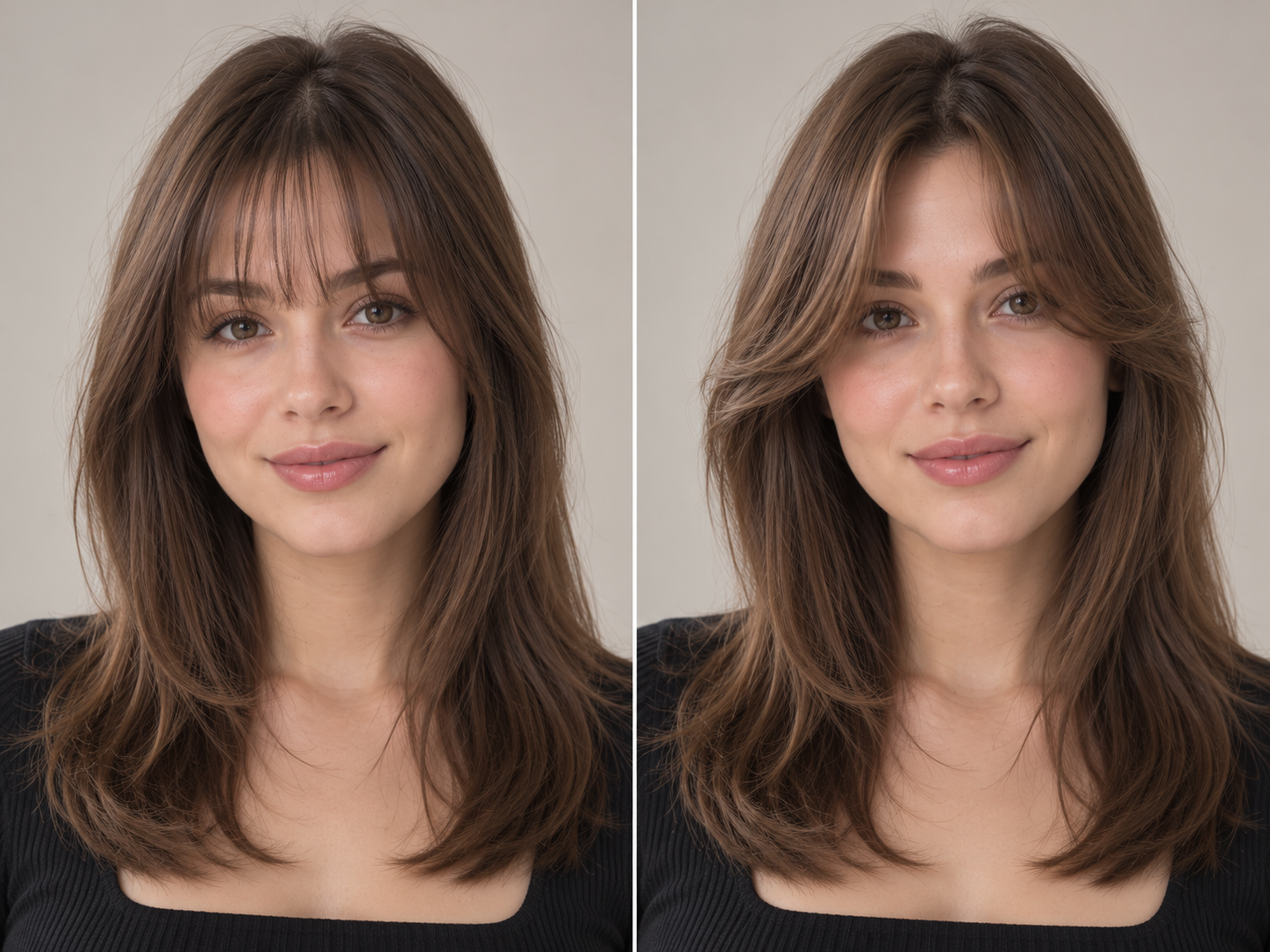
Wispy bangs offer a softer alternative to a traditional full fringe. Instead of covering the forehead with a thick, straight line, they use lightweight, separated strands to create movement and a delicate face-framing effect.
Their versatility makes them appealing for long layers, bobs, shags, and pixie cuts. Length and density can also be adjusted for different face shapes, hair textures, and styling preferences.
If you are considering wispy bangs in 2026, understanding the variations, cutting techniques, and maintenance requirements can help you choose a fringe that complements your hairstyle.
What Are Wispy Bangs?
Wispy bangs are a lightweight fringe characterized by soft, tapered ends and visible separation between strands. Unlike blunt bangs, which create a solid line across the forehead, wispy bangs allow some skin to show through.
Stylists typically create this appearance by taking a relatively shallow section near the front hairline and softening the ends through techniques such as point cutting. Section size depends on hair density, growth patterns, and desired coverage.
They are also described as see-through bangs, feathered bangs, soft fringe, or barely-there bangs. Most fall around the eyebrows, although shorter and longer variations are possible.
The defining feature is not a particular length but the airy texture that prevents the fringe from appearing overly dense.
Wispy Bangs vs. Curtain Bangs vs. Full Fringe
These hairstyles differ primarily in density, shape, and direction.
Wispy bangs feature light, separated strands with tapered ends, creating soft forehead coverage. Curtain bangs are generally longer and parted near the center, framing both sides of the face.
A full fringe covers more of the forehead with a denser, defined outline. Wispy curtain bangs combine lightweight strands with a center or off-center part.
Wispy describes texture and density, while curtain describes shape. This means the styles can overlap. Side-swept wispy bangs create another variation, using a diagonal fringe that complements layered haircuts.
Which Face Shapes Suit Wispy Bangs?
Wispy bangs can complement oval, round, square, heart-shaped, long, and diamond-shaped faces. The key is adjusting fringe length, width, and direction rather than following rigid face-shape rules.
If you are considering wispy bangs, Facefy offers a useful starting point for exploring how different fringe styles might frame your features. Comparing softer, fuller, and side-swept options before visiting your hairstylist can help you identify the amount of forehead coverage and face framing you prefer.
Oval and Heart-Shaped Faces
Oval faces accommodate many variations, from eyebrow-grazing fringe to longer curtain styles. A softly curved fringe with slightly longer outer pieces creates a natural transition into the surrounding haircut.
Heart-shaped faces often feature a relatively broad forehead and narrower chin. Lightweight bangs with longer temple-framing pieces can create a gradual transition between the upper and lower face.
Round and Square Faces
For round faces, diagonal or slightly parted bangs can introduce vertical lines and create a more elongated visual impression. Longer side-swept pieces extending toward the cheekbones are another option.
Square faces commonly feature angular jawlines. Soft, feathered bangs provide textural contrast, while wispy curtain bangs offer adjustable framing around the temples.
Long and Diamond-Shaped Faces
Eyebrow-length wispy bangs can visually reduce exposed forehead space on longer faces. A slightly fuller fringe may provide additional coverage without becoming blunt.
Diamond-shaped faces often have prominent cheekbones relative to the forehead and jaw. Longer temple-framing strands can create a continuous silhouette.
These are styling possibilities rather than restrictions. Personal preference, hairline, and natural hair movement matter equally.
Who Do Wispy Bangs Work Best For?
Hair density, texture, and styling habits influence how wispy bangs behave after cutting.
Fine or Thin Hair
Fine hair naturally lends itself to lightweight, separated bangs. A carefully selected fringe section can create movement without removing too much fullness from the surrounding hairstyle.
However, taking too little hair may leave the fringe looking sparse.
Thick and Straight Hair
Thick hair can support wispy bangs, although controlling density becomes important. A stylist may use a smaller fringe section or carefully soften the ends.
Straight hair displays cutting lines clearly, making precise sectioning essential. Cowlicks or strong natural parts may require additional styling.
Wavy, Curly, and Coily Hair
Wavy hair naturally creates movement and separation. Because waves can spring upward when dry, starting slightly longer allows room for adjustment.
Curly and coily textures can create distinctive wispy bangs through individual curls. Shrinkage should be considered carefully, and dry cutting may help determine the finished length.
Popular Wispy Bang Variations to Try
Wispy bangs are not one fixed haircut. Their density, direction, and length can create several looks.
Barely-There Bangs
These use minimal density for a delicate, see-through effect. They suit people wanting subtle forehead coverage.
Blended Wispy Bangs
Blended bangs gradually connect to longer side layers, making them particularly useful with shoulder-length and long hairstyles.
Wispy Curtain Bangs
This variation combines lightweight fringe with a center or off-center part. Longer outer pieces frame the face while shorter center strands provide softness.
Side-Swept Wispy Bangs
Side-swept bangs follow a diagonal direction and can complement bobs, pixies, and layered haircuts.
Full Wispy Fringe
A full wispy fringe covers more forehead while retaining feathered ends and visible separation. It offers a more noticeable style without the density of traditional blunt bangs.
How to Choose Your Wispy Bang Style Before Cutting
Before committing, consider how your fringe will connect with the rest of your haircut.
Facefy can help you explore different hairstyle directions using your photo, making it easier to compare subtle bangs, fuller fringe, and longer face-framing options before your appointment.
This is particularly useful when deciding whether you want wispy bangs to become the main feature of your haircut or blend into existing layers.
Virtual previews are approximations. The finished appearance still depends on your actual hair density, texture, growth patterns, and cutting technique.
How to Ask Your Hairstylist for Wispy Bangs
Clear communication helps prevent a lightweight fringe from becoming heavier than expected.
Bring two or three reference photos showing your preferred length, density, and overall shape. Images from different angles can demonstrate how the bangs connect to the sides.
You might request lightweight, see-through bangs with soft, separated ends and a center length around the eyebrows. Ask to begin slightly longer so adjustments can be made gradually.
Mention your usual parting direction and any cowlicks. Ask your stylist to show the planned fringe section before cutting so you can confirm how much hair will be included.
How Stylists Cut Wispy Bangs
A professional haircut generally begins by separating a shallow section near the front hairline.
The stylist establishes the center length, often around the eyebrows, before softening the ends through point cutting or another appropriate technique.

Next, the fringe is checked against natural growth patterns, parting direction, and curl shrinkage. The outer pieces are then connected to surrounding layers where appropriate.
Cutting new bangs at home is more challenging because sectioning, tension, and length are difficult to judge accurately. A professional initial cut offers greater control.
How to Style Wispy Bangs Every Day
Wispy bangs generally need minimal styling when the haircut follows your natural growth pattern.
For straight or wavy hair, lightly dampen the fringe if it becomes flattened overnight. Use a small round brush or your fingers while directing warm air across the roots.
Guide the strands into a gentle curve, finish with cool air, and separate selected pieces using your fingertips.
For curly and coily hair, apply a small amount of curl cream or lightweight gel. Shape individual curls gently and air-dry or diffuse.
Light mousse, texturizing spray, and dry shampoo can help depending on texture and scalp oiliness. Avoid heavy oils or thick creams that may weigh down the fringe.
Are Wispy Bangs Low Maintenance?
Wispy bangs can be easier to manage than dense fringe, but they still require occasional trimming.
Eyebrow-length bangs may need refreshing approximately every three to four weeks. Longer blended bangs may last five to seven weeks, while wispy curtain bangs often need attention around five to six weeks.
These intervals are estimates. Hair growth, preferred length, and styling habits determine your actual schedule.
As bangs grow, they can transition into longer face-framing pieces. Parting them, sweeping them sideways, or using clips and headbands can make the transition easier.

Pairing Wispy Bangs With Different Haircuts
Long layers create a natural transition between the fringe and longer lengths. Shoulder-length lobs gain movement around the face, while shags and wolf cuts complement the lightweight texture.
Classic bobs gain softness from separated bangs, while pixie cuts can incorporate short side-swept pieces without requiring much additional length.
Choose the combination that complements your natural texture and preferred maintenance routine.
Final Thoughts
Wispy bangs provide a customizable way to introduce soft forehead coverage and face framing without committing to a dense fringe.
The most successful version depends on hair density, texture, natural parting, preferred length, and willingness to style the bangs.
Start with clear reference photos, discuss density and length with your stylist, and consider leaving the initial cut slightly longer. A thoughtfully shaped fringe can refresh your hairstyle while remaining flexible enough to grow into your next look.