From Hollywood Caps to Modern Veneers: A Smile History
The evolution of smile history reveals how Hollywood's temporary veneers transformed into personalized, natural-looking designs, reflecting changing beauty…
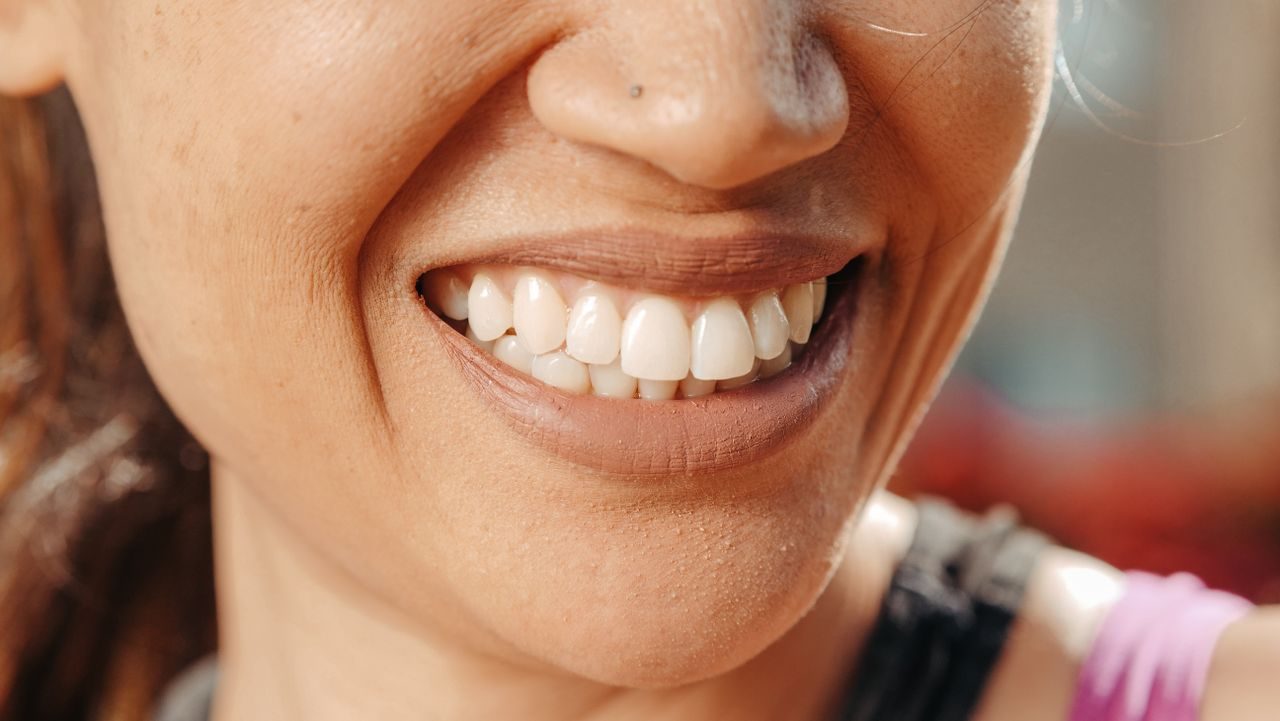
Veneers began in 1928 as a Hollywood trick, when California dentist Charles Pincus created temporary tooth covers that helped actors look camera-ready on film. They were held on with denture adhesive and lasted only hours. Decades of dental research, especially breakthroughs in bonding during the 1950s and early 1980s, turned that film-set illusion into a durable treatment available to everyone. Today, celebrity smile trends have shifted from ultra-white, identical teeth toward natural shapes, realistic shades and personalised designs that suit each face.
The modern smile makeover started on a movie set, but it has come a long way since.
1928: A Hollywood Invention
In the early days of cinema, close-ups exposed every flaw. Dr Charles Pincus, a dentist working with film studios, developed thin acrylic covers that could temporarily transform an actor’s teeth for a shoot.
These early veneers, sometimes called Hollywood caps, were attached with denture adhesive and removed afterwards. They were impressive on screen but impractical for daily life, as they couldn’t stay in place for long. Still, they introduced the idea that a smile could be redesigned, and the “Hollywood smile” was born.
The Breakthroughs That Made Veneers Last
Turning Pincus’s idea into a lasting treatment required major advances in dental science:
- Acid etching of enamel: In the mid-1950s, Dr Michael Buonocore showed that lightly etching tooth enamel with a mild acid created a much stronger surface for bonding.
- Porcelain etching and resin bonding: In 1982, researchers R. J. Simonsen and J. R. Calamia demonstrated that porcelain could also be etched and bonded to teeth using composite resins.
- Improved ceramics: Later decades brought stronger, more lifelike porcelain and glass-ceramic materials.
Together, these developments allowed veneers to be bonded securely and worn for many years. A review of porcelain veneers published in the Smile Dental Journal traces how these innovations moved veneers from film studios into everyday cosmetic dentistry.
A Timeline of the Celebrity Smile
|
Era |
Key development |
What it meant for smiles |
|
1920s to 1930s |
Temporary acrylic caps for film actors |
Camera-ready teeth, but only for short periods |
|
1950s |
Enamel etching introduced |
Foundations for strong, reliable bonding |
|
1980s |
Bonded porcelain veneers developed |
Long-lasting veneers became possible |
|
1990s to 2000s |
Bright white, uniform smiles |
Highly polished, dramatic results became fashionable |
|
2010s onward |
Natural, personalised smile design |
Focus on realistic shades, shapes and individuality |
Each era reflected both the technology available and the beauty ideals of the time.
The Age of Ultra-White Smiles
By the 1990s and 2000s, bright white, perfectly even teeth became a symbol of glamour. Television, red carpets and magazine covers celebrated dazzling smiles that often looked strikingly uniform.
While these smiles made a statement, some critics felt they could look artificial, particularly when teeth were very large, flat or brighter than the whites of the eyes. Over time, many patients and dentists began to favour results that looked less obviously “done”.
The Rise of the Natural Smile
Today’s most admired smiles tend to look healthy and natural rather than flawless. Modern cosmetic dentists often focus on:
- Realistic shades that complement skin tone and eye colour
- Natural tooth shapes with subtle variation between teeth
- Surface texture that reflects light like real enamel
- Translucency at the edges, mimicking natural teeth
- Facial harmony, ensuring the smile suits the person’s features
This approach aims to enhance a person’s own smile rather than replace it with a generic template.
Social Media and the “Identical Smile” Debate
Social media has made cosmetic dentistry more visible than ever. Before-and-after posts, makeover videos and influencer transformations have inspired many people to consider veneers.
At the same time, some commentators have raised concerns about an increasingly identical look, with many smiles appearing almost exactly the same. The shift toward personalisation partly reflects a desire to stand out with a smile that feels authentic rather than copied.
How Modern Smile Design Works
Today’s veneer treatment involves far more planning than the early Hollywood caps. A typical process may include:
- Consultation and assessment of teeth, gums, bite and facial features.
- Digital smile design using photos and software to plan proportions and shape.
- Trial smiles or mock-ups so patients can preview changes before treatment.
- Shade matching to choose a colour that looks natural.
- Careful preparation that aims to preserve as much healthy tooth as possible.
- Bonding and refinement to ensure comfort, function and appearance.
Practices offering custom veneer design use this kind of planning to create results tailored to each patient, from subtle refinements to more noticeable transformations.
A Century of Smiles
From temporary acrylic caps on Hollywood film sets to precisely designed porcelain veneers, the history of the celebrity smile reflects nearly a hundred years of innovation and changing tastes.
Today, the goal is no longer simply to have the brightest teeth in the room. It’s to have a smile that looks natural, feels comfortable and suits the person wearing it.