

From Pencil-Thin to Bold: A History of Eyebrow Trends
The history of eyebrow trends reveals a century of evolving styles, from the thin arches of the 1930s to the bold brows of today, reflecting changing beauty…
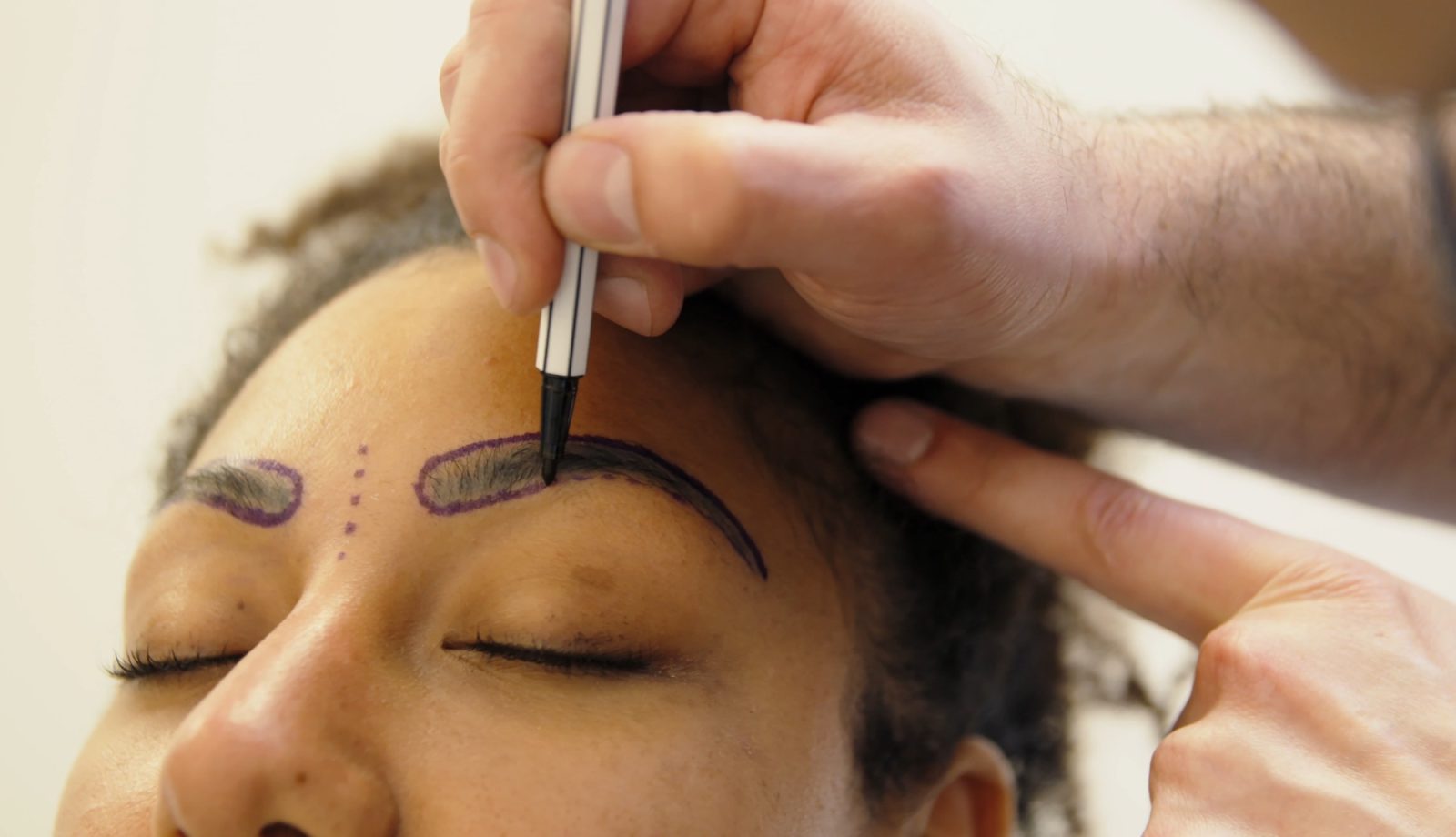
Eyebrow fashion has swung dramatically over the past century, from the razor-thin arches of 1930s film stars to the full, natural brows that dominated the 2010s. Each era’s icons shaped how millions of people groomed their brows, and the extreme plucking popular in the 1990s left many with brows that never fully grew back. Today, people who want fuller brows can choose from makeup, semi-permanent techniques such as microblading or longer-lasting options like eyebrow hair transplants, depending on how much hair they’ve lost and the look they want.
Few facial features have followed fashion as closely as the eyebrow.
The 1920s and 1930s: Thin and Dramatic
The silent film era and early Hollywood favored dramatic, expressive faces. Brows were often plucked into thin, high arches and drawn on with pencil to catch the light on black-and-white film.
Stars such as Marlene Dietrich became famous for their delicate, sculpted brows. The look conveyed glamour and sophistication, and fans copied it with tweezers and brow pencils.
The 1950s: Defined and Polished
By the 1950s, brows became fuller and more structured. The ideal was a defined arch with a polished, groomed finish. Marilyn Monroe’s arched brows and Audrey Hepburn’s strong, straighter shape offered two influential alternatives.
This era balanced natural thickness with careful shaping, creating brows that framed the face without looking overdone.
The 1980s: Big and Bold
The 1980s embraced volume in everything from hair to shoulder pads, and brows followed suit. Brooke Shields became the defining face of the decade’s thick, natural brows, inspiring many people to put down the tweezers.
The look was youthful and confident, often left fuller and less shaped than in previous decades.
The 1990s: The Era of Over-Plucking
The 1990s swung back toward thin brows. Supermodels, actresses and pop stars popularized slim, rounded arches, and many people plucked heavily to achieve them.
For some, the trend had lasting consequences. Repeated plucking over many years can damage hair follicles, leading to brows that grow back sparse, patchy or not at all. Many people who followed the trend later found they couldn’t regrow their natural shape.
The 2010s: The Bold Brow Revival
In the 2010s, thick, natural brows returned in a big way. Model Cara Delevingne became one of the faces of the bold brow movement, and beauty brands responded with brow gels, pomades, pencils and tinting products.
Social media accelerated the trend, with tutorials on shaping, filling and brushing brows upward. Later techniques like brow lamination, which sets brow hairs in a fuller, brushed-up shape, kept the look popular.
A Century of Brow Trends at a Glance
|
Era |
Signature look |
What it represented |
|
1920s to 1930s |
Thin, high arches |
Old Hollywood glamour |
|
1950s |
Defined, polished arches |
Sophisticated elegance |
|
1980s |
Thick, natural brows |
Youthful confidence |
|
1990s |
Pencil-thin shapes |
Minimalist cool |
|
2010s onward |
Full, bold brows |
Natural beauty and self-expression |
Each shift reflected broader changes in fashion, beauty standards and pop culture.
Why Some Brows Never Grew Back
Sparse brows can result from several factors:
- Long-term over-plucking that damages follicles
- Aging, which can naturally thin brow hair
- Medical conditions, such as thyroid problems or alopecia
- Injuries or scars that interrupt hair growth
- Certain treatments, including some medical therapies
Understanding the cause helps determine which solution is most likely to work.
Options for Fuller Brows Today
People wanting fuller brows now have more choices than ever:
- Makeup: Pencils, powders and gels offer flexible, temporary results.
- Growth serums: Some products may help brows look fuller, though results vary.
- Microblading: A semi-permanent technique that creates hair-like strokes with pigment.
- Powder brows: A shaded, makeup-like effect achieved with semi-permanent pigment.
- Eyebrow transplants: Hair follicles are moved, usually from the scalp, to restore natural brow growth.
For people whose brows were permanently thinned by years of plucking, brow rebuilding procedures using transplanted hair can recreate fuller, natural-looking brows that grow like real hair. Because transplanted hairs keep some characteristics of scalp hair, they usually need regular trimming to keep a neat shape.
Choosing a Look That Lasts
Trends will keep changing, so it’s worth choosing a brow style that suits your face and personality rather than following every new fad. A brow specialist or makeup artist can help identify a shape that flatters your features.
If you’re considering a semi-permanent or surgical option, take time to research providers, ask about experience and look at examples of their work. Thoughtful choices can help your brows look great no matter which trend comes next.
Brows That Tell a Story
From the dramatic arches of Hollywood’s golden age to the bold, natural brows of the social media era, eyebrows have reflected changing ideas about beauty for more than a century. While trends come and go, the desire for brows that feel like your own remains constant.
Whether you prefer subtle grooming, bold makeup or a longer-lasting solution, today’s options make it easier than ever to find the look that suits you best.


