How Pet Boarding Became the Quiet Backbone of Modern Travel
Somewhere around 180 million pets live in American households right now, and every single one of them belongs to someone who will eventually need a vacation. Airlines know this. Hotel chains know this. What most…
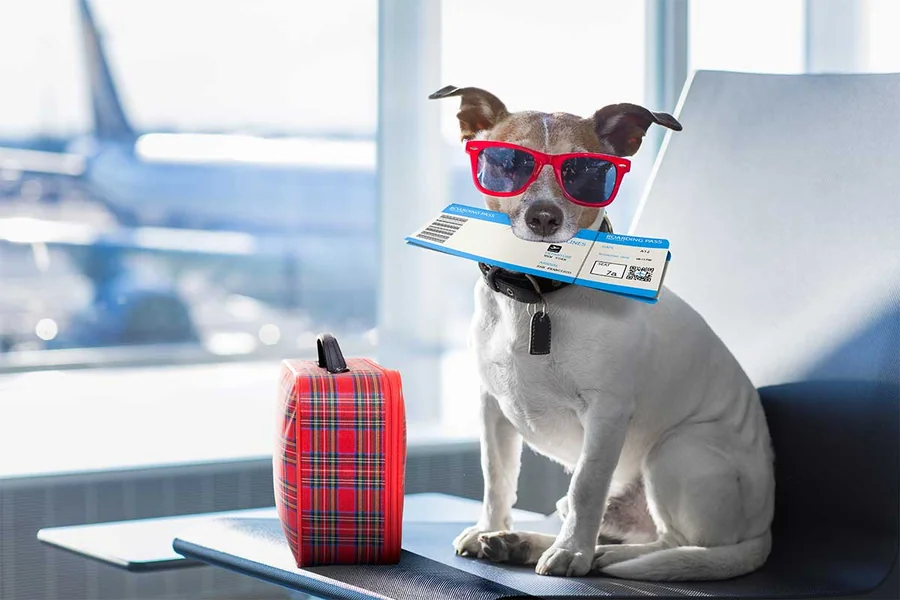
Somewhere around 180 million pets live in American households right now, and every single one of them belongs to someone who will eventually need a vacation. Airlines know this. Hotel chains know this. What most people never think about until the week before a trip is the small, unglamorous industry that makes all that travel possible: boarding. You book the flight, you board the dog, and you go. That order of operations hides a hundred small decisions that determine whether you come home to a relaxed animal or a stressed one.
The good news is that this doesn’t have to be complicated. By the end of this piece, you’ll know how modern boarding facilities actually run, what your dog experiences while you’re away, and which questions separate a genuinely good operation from a kennel that just has good photos.
Your dog isn’t sitting in a cage waiting for you
This is the mental image most owners carry: a lonely dog behind wire, staring at a door. In reality, the best facilities in the Southwest run closer to a summer camp than a storage unit. There’s playtime, rest cycles, feeding schedules, and staff whose entire day revolves around reading animal behavior.
That behavioral piece matters more than the architecture. Animals are expert readers of other animals, and stress shows up fast in a group setting. According to the American Veterinary Medical Association, routine and environmental consistency are core to how animals handle unfamiliar situations, which is why quality facilities keep meal times, potty breaks, and quiet hours on a fixed clock. Your dog can’t read a schedule, but they can absolutely feel one.
Here’s the part I’d want to know if it were my dog: does the facility separate playgroups by size, energy level, and temperament? Or does everything go into one yard? The answer tells you almost everything about how they think.
The paperwork nobody warns you about
You’re going to hand over a vaccination record. Don’t take it personally. Facilities that host dozens of animals at once have to keep that population healthy, and proof of vaccination is the bare minimum barrier. Most places want current rabies, distemper, parvo, and bordetella on file before the first night.
The regulatory layer behind this is more structured than people assume. The Animal and Plant Health Inspection Service, part of the USDA, enforces federal standards for animals under certain commercial care arrangements, and many states layer their own licensing requirements on top. Ask a facility who licenses them locally. A good one answers in one sentence without reaching for a binder.
I’d also ask about food. Some places feed their own house kibble, some insist you bring yours, and some will handle a raw diet or a prescription food with no fuss. If your dog has a sensitive stomach, bringing their own food from home is the single easiest way to prevent a rough first day back.
Daycare and boarding answer two different questions
People blur these together constantly, and it costs them money. Daycare is for when you’re in town and your dog needs to burn energy. Boarding is for when you’re not in town at all. They’re related services, but the decision criteria are different.
Daycare decisions come down to schedule and socialization. You want a place that matches your dog’s tolerance for group play, not the most Instagram-worthy yard. Some dogs thrive in a chaotic pack. Some are miserable after hour three. Knowing which one you own saves everyone a bad day.
- A single day of structured play is the right test drive before any overnight stay
- Ask how staff handle a dog that wants to opt out of play entirely
- Find out whether a half day is priced separately, since many facilities do exactly that
- Confirm whether buying a multi-day package locks you into an expiration window
Boarding is a different calculation. Here you’re weighing comfort tier, run size, and how much human contact your dog gets during off-hours. A private suite with a camera is worth every dollar for some dogs. For others, an indoor-outdoor run with more foot traffic nearby is genuinely better, because the animal would rather watch the world go by than sit in a quiet room.
Not every city prices this the same way, and one detail trips owners up more than any other: large-dog surcharges. Plenty of facilities charge extra once a dog crosses a weight threshold, which means a Great Pyrenees owner pays a premium before the first night even starts. When you’re researching Canine Country Club dog boarding, flat pricing across all dog sizes is worth noting, because it changes the math on longer trips in a way that a per-night discount never does.
A simple way to judge a facility in one visit
Photos lie. Reviews skew toward extremes. A short in-person tour tells you more than an hour of scrolling, and you can run it like a checklist. I call it the Four Senses Test, because you’re using yours, not theirs.
- Smell the air. A well-run facility smells like cleaning products, not like an animal. Strong odor means the cleaning cycle isn’t keeping up with the population.
- Listen for noise. Some barking is normal. Constant frantic barking from every run is not, and it usually signals too few staff or too much confinement.
- Watch the water bowls. Full, clean water at multiple stations is a boring detail and a reliable signal. Neglected basics show up here first.
- Look at the staff’s hands. Are they comfortable reaching into a run to greet a dog? Nervous handling tells you something the brochure won’t.
Ask to see the space your dog would actually occupy, not the show suite by the front desk. And ask what happens if your dog gets sick or injured while you’re three states away. The answer should involve a specific vet relationship, not a vague promise to call you.
Why this industry keeps growing
Pet care spending has climbed for decades, and the labor market around it has followed. According to the Bureau of Labor Statistics, animal care and service occupations are projected to grow steadily as household spending on pets continues to rise. Translation: more facilities, more competition, and more reason to be picky.
Which is genuinely good news for you. Ten years ago, most people took whatever kennel had an opening. Today you can compare runs, playgroup policies, cameras, pickup windows, and pricing models across a dozen options in an afternoon. The leverage shifted to owners, and most people haven’t noticed yet.
What to do before your next trip
Book the trial day first. One weekday of daycare, weeks before your trip, tells you how your dog handles the environment while you’re still in town to pick them up early if it goes sideways. Then confirm the boring logistics: vaccination records on file, food plan in writing, emergency contact updated, and pickup time locked in. Pack something that smells like home, keep goodbyes short, and skip the guilty voice. Dogs read your tone far better than your words.
One last thing worth sitting with. The boarding industry exists because we decided our animals are family, and family doesn’t get left with whoever answers the phone. So when you plan your next trip, what’s the actual test your dog would run on a facility if they could tour it themselves?