Dancewear for a Workshop Weekend: What to Pack
Packing dancewear for a workshop weekend is easier when you start with the schedule rather than an open suitcase. Several classes, unfamiliar rooms, and short breaks can ask more of an outfit than an ordinary…
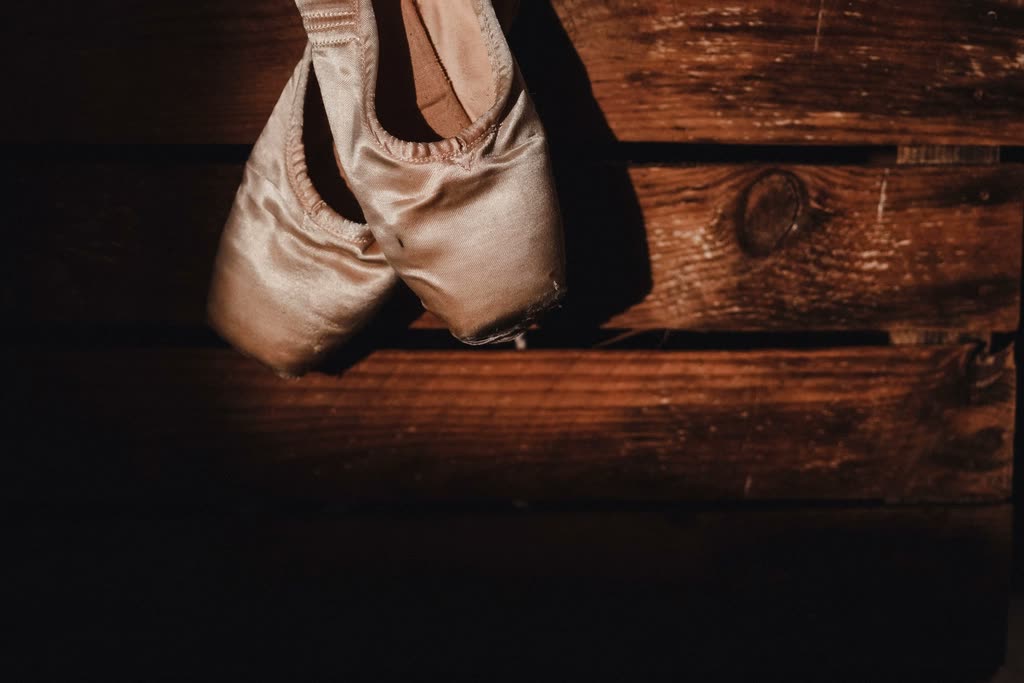
Packing dancewear for a workshop weekend is easier when you start with the schedule rather than an open suitcase. Several classes, unfamiliar rooms, and short breaks can ask more of an outfit than an ordinary studio evening. The goal is to arrive with clothing that meets the event’s requirements and gives you practical choices throughout the day.
A useful packing plan does not require buying a new outfit for every session. It requires knowing what you will attend, what you can change between classes, and which pieces already work for you. A little preparation at home keeps clothing decisions from taking over the weekend.
Read the event information like a packing list
Check the organizer’s instructions for dress requirements, footwear, and any sessions with different expectations. An audition, performance, or formal class may have its own directions. Keep those requirements separate from outfit ideas you have seen in promotional photographs.
Review the timetable and locate the actual breaks. A gap on the schedule may also need to cover walking between rooms, checking in, or eating. Avoid building a packing plan around a complete outfit change when there is little time to make one.
If the event information leaves a practical question unanswered, contact the organizer before traveling. Ask where participants may change and whether bags can remain in the teaching rooms. The answers help you decide what belongs in the main bag and what can stay elsewhere.
For younger dancers, review the plan together. Make sure they can identify their clothing and know where spare items will be kept. A clearly organized bag is only useful if the dancer can find what they need without unpacking everything.
Build complete outfits around familiar pieces
Choose a reliable base outfit for each required dress code. Use clothing you have already worn comfortably, then check its current condition before packing. A workshop is an inconvenient place to learn that a strap needs repair or a favorite piece no longer fits.
Lay out each outfit with the permitted layers and footwear it needs. This catches missing items that are easy to overlook when packing by category. Keep any special instructions beside the outfit until everything is accounted for.
Personal style can still be part of the choice. If the rules allow color or prints, choose something you enjoy without changing every aspect of your usual fit at once. Familiarity is especially helpful when the rest of the day involves new teachers and combinations.
Try the outfit as a whole before it goes into the bag. Move through a few familiar, comfortable positions and notice anything that needs repeated adjustment. Resolve questions about coverage or layers at home rather than during the first session.
Pack for changes you can realistically make
Think through the day from arrival to departure. You may want a layer for travel, a class outfit, a spare, and something comfortable for the trip back. The exact number of pieces depends on the schedule and your access to laundry.
Use a short checklist to connect each item to a purpose:
- The clothing and footwear required by the organizer.
- A familiar spare outfit that meets the same rules.
- Permitted layers for breaks and travel.
- Separate storage for worn clothing and shoes.
- Any specific outfit requested for an audition or performance.
Keep the most likely change near the top of the bag. A spare that is buried under several unrelated items is harder to use during a short break. Small bags or clearly separated sections can help without requiring elaborate packing equipment.
Do not assume that extra clothing must mean extra shopping. Review what you own and identify the actual gap first. If another item is necessary, leave enough time to check its fit and care instructions before the trip.
Plan the return to the hotel or home
The end of the first day deserves a place in the plan, especially during a weekend event. Decide how worn clothing will be separated from clean pieces. Keep shoes away from garments so unpacking does not become another sorting task.
Read care labels before relying on overnight washing. Some garments may need more drying time than the schedule allows. A backup plan is more dependable than assuming everything washed late at night will be ready the next morning.
Check each next-day outfit while you still have time to solve a problem. Put the required items together and return them to the bag in a consistent place. This is especially useful when several family members share a room or luggage.
Avoid leaving the whole bag untouched until the next departure. A quick check for missing pieces, damp clothing, or a forgotten layer keeps a small issue from becoming a rushed decision. Preparation can stay simple and still be thorough.
Leave room for the dancing
Before closing the suitcase, ask whether every packed piece has a clear purpose. Remove duplicates that add bulk without solving a likely need, while keeping a sensible spare. The aim is enough choice to handle the schedule without carrying your entire wardrobe.
When considering dancewear from Tiger Friday, compare each piece with the workshop’s requirements and the outfits you already trust. Confirm fit, allow time for any needed purchase, and pack around the real breaks in the day. Arriving prepared lets clothing take its proper place in the background while you focus on class.