A Custom Lab-Grown Diamond Engagement Ring: Combining Modern Elegance with Personal Design
A custom lab-grown diamond engagement ring offers a unique blend of modern elegance and personal design, allowing couples to create a meaningful symbol of…
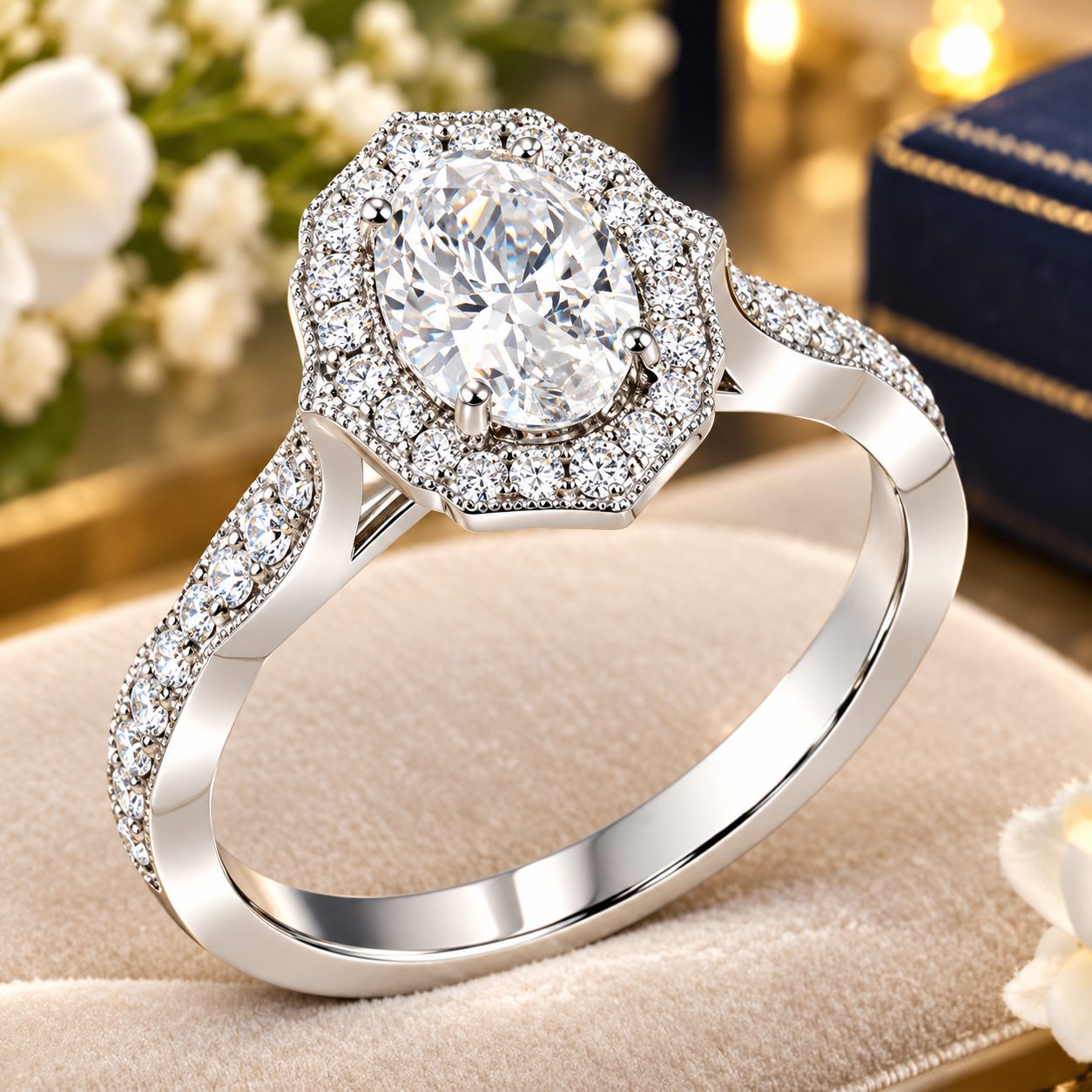
Engagement rings have always reflected the people who wear them, yet the way couples choose them has changed. Many now want a ring with a clear story, a transparent origin, and details that feel personal rather than copied from a showroom tray. Lab-grown diamonds and made-to-order design have grown popular together for that reason.
This article explains how these stones are made, what to look for when choosing one, and how the design process works from first sketch to finished ring.
Why Couples Are Choosing Personal Design
For generations, the engagement ring was a standard purchase: pick a stone, pick a setting from a limited catalog, and adjust the size. Today, more people want a say in every element. Choosing a ring built around your own preferences, from the cut of the diamond to the shape of the band, is now common, and a good example is a custom lab-grown diamond engagement ring, which lets the wearer decide on the stone's shape, the metal, the setting style, and any engraving or accent stones.
A designer such as Sofia Lior works with a client's ideas, lifestyle, and budget, turning them into a piece that suits daily wear as well as special occasions. Personal design also solves practical problems. A person who works with their hands may want a low profile setting that does not snag on gloves. Someone who loves vintage jewelry may prefer milgrain edges and a delicate halo. These choices are difficult to find in ready-made rings, and a custom process allows each one to be addressed directly.
Understanding Lab-Grown Diamonds
A lab-grown diamond is a real diamond. It has the same crystal structure, chemical composition, and optical properties as a mined stone. The difference lies in where it forms. Instead of developing over millions of years deep within the earth, it is grown in a controlled environment using one of two methods.
The first, High Pressure High Temperature, recreates the conditions of the earth's mantle around a small diamond seed. The second, Chemical Vapor Deposition, builds a diamond layer by layer from a carbon rich gas inside a vacuum chamber. Both methods produce rough crystals that are then cut and polished by the same techniques used for natural stones.
Because the origin is documented, buyers often value the traceability. Reputable stones come with a grading report from an independent laboratory such as the Gemological Institute of America or the International Gemological Institute. These reports confirm the stone's identity as a lab-grown diamond and list its measured qualities.
The Four Cs and How They Apply
Lab-grown diamonds are graded using the same four standards as natural ones, so the vocabulary is familiar to anyone who has researched diamonds before.
Cut describes how well the stone's facets are proportioned and polished. It has the strongest influence on brilliance, which is the way light returns through the top of the diamond. A well cut stone appears lively even if its color or clarity grades are modest.
Color is graded on a scale that runs from D, which is colorless, to Z, which shows a noticeable tint. Most buyers choose stones in the D to H range, which look white once set in a ring. Some prefer a slight warmth, particularly when pairing the diamond with yellow or rose gold.
Clarity measures internal characteristics and surface marks. Grades range from Flawless to Included. Many inclusions cannot be seen without magnification, so a stone graded VS1 or VS2 often looks clean to the naked eye while costing less than higher grades.
Carat refers to weight, not size. Two diamonds with the same carat weight can look different depending on their cut and shape. An elongated shape such as an oval or marquise tends to appear larger than a round stone of equal weight.
Understanding these four standards helps buyers decide where to spend and where to save. A person who values sparkle might prioritize cut, while someone who wants the largest possible stone might accept a slightly lower clarity grade.
Choosing the Setting and Metal
The setting holds the diamond and shapes the overall look of the ring. A solitaire keeps attention on the center stone and is easy to clean. A halo surrounds the diamond with smaller stones, adding visual size and extra sparkle. A three stone design often represents the past, present, and future of a relationship. A bezel setting wraps the diamond in a thin rim of metal, offering strong protection and a smooth, modern profile.
Metal choice affects both appearance and upkeep. Platinum is dense, durable, and naturally white, though it carries a higher price. White gold offers a similar look at a lower cost but may need rhodium replating over time to keep its bright finish. Yellow gold has a classic warmth, and rose gold adds a soft pink tone that has remained popular. For those with sensitive skin, platinum and higher karat gold are generally the more comfortable options.
The Custom Design Process
A made to order ring usually follows a clear sequence. It begins with a consultation, where the designer asks about style preferences, daily habits, ring size, and budget. Reference images are helpful here, whether they come from jewelry the client admires or simple sketches.
Next, the designer prepares a digital rendering or a 3D model so the client can review the proportions, prong placement, and band width before anything is made. Adjustments at this stage are simple and inexpensive. Once the design is approved, a wax or resin model may be produced, and then the metal is cast, finished, and polished. The diamond is set last, and the completed ring is inspected under magnification.
The full process commonly takes several weeks, depending on the complexity of the design. Planning ahead is wise for anyone working toward a proposal date.
Budget and Value
Lab-grown diamonds generally cost considerably less than natural diamonds of matching size and quality. That difference allows buyers to consider a larger carat weight, a higher grade, or a more detailed setting within the same budget. Some couples direct the savings toward other priorities, such as a wedding or a home.
Resale value is a point to understand honestly. Lab-grown diamond prices have declined as production has increased, so these stones are best purchased for their beauty and meaning rather than as a financial asset. Asking a jeweler about warranties, resizing policies, and maintenance services helps clarify the long term cost of ownership.
Final Thoughts
An engagement ring is worn every day, often for decades, so the decisions behind it deserve careful attention. Lab-grown diamonds provide a documented origin and strong value, while personal design ensures the finished piece reflects the wearer's taste. Anyone considering a custom lab-grown diamond engagement ring should start by learning the four Cs, deciding on a setting style that suits daily life, and working with a jeweler who explains each step clearly. With those pieces in place, the ring becomes more than a purchase. It becomes a thoughtful object that carries real meaning for the couple who chose it.