Electric Winch Performance When Tough Pulling Jobs Demand Reliable Power
Electric winch performance is crucial for tough pulling jobs, ensuring reliable power and efficiency in vehicle recovery and heavy-duty tasks.
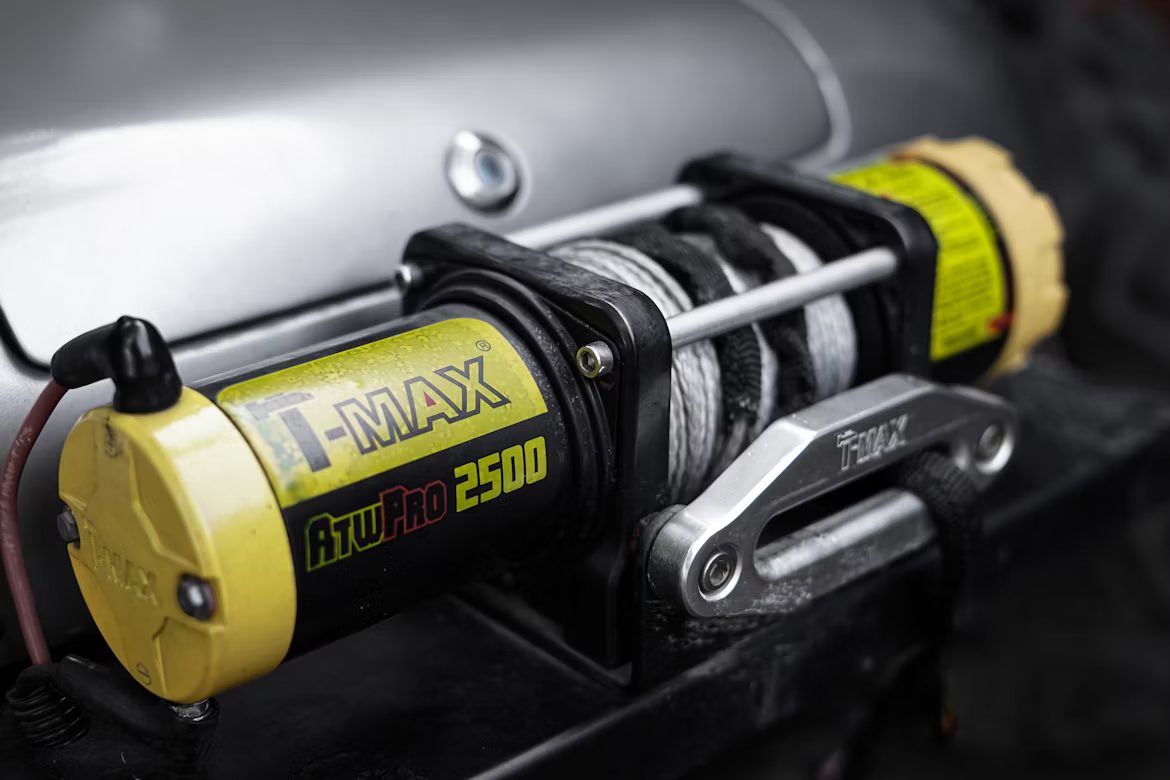
Moving a heavy vehicle, pulling equipment across rough ground, or recovering a truck from mud requires controlled force. An electric winch provides that force through a motor, gearbox, and wound cable or rope. It can help handle difficult pulling tasks without relying entirely on manual effort. However, its performance depends on capacity, power supply, mounting, and operating conditions.
A 12v electric winch is commonly used for vehicle recovery, off-road driving, and trailer applications. It draws power from a compatible 12-volt electrical system and converts that energy into pulling force. This setup makes it practical for vehicles that already have a suitable battery and charging system. Understanding its working principles helps users select equipment that fits their actual needs.
What Makes a Winch Suitable for Demanding Work?
Pulling performance involves more than the maximum capacity printed on a product label. Motor strength, gear reduction, rope construction, and braking all influence how a winch performs under load. These components work together to provide controlled movement and manage resistance. A mismatch between them can affect efficiency and operating safety.
The mounting arrangement also matters. A properly secured winch transfers pulling forces to a suitable mounting structure instead of placing unnecessary stress on surrounding components. Users should consider the vehicle’s frame, mounting plate, and available installation space. A well-matched setup makes demanding pulling tasks more manageable.
Pulling Capacity and Load Requirements
Rated pulling capacity is one of the first specifications to examine when choosing a 12v electric winch. It describes the maximum line pull under the manufacturer’s stated conditions. The required capacity depends on the vehicle’s weight, terrain, slope, and resistance. A vehicle stuck in deep mud may require substantially more pulling force than one moving across firm ground.
For vehicle recovery, buyers should consider the manufacturer’s capacity recommendations and the vehicle’s gross weight. Additional resistance from obstacles, uneven surfaces, and steep inclines can increase the load. A winch should never be selected based on vehicle weight alone. Using appropriate recovery equipment also helps prevent excessive strain on the system.
Motor Power and Gear Reduction
The motor supplies the energy needed to turn the winch drum. Its performance affects pulling speed, electrical demand, and the ability to handle sustained work. Gear reduction converts motor rotation into the torque needed to pull a load. Different gear arrangements offer different combinations of speed and mechanical advantage.
Planetary gear systems are common in vehicle recovery equipment. They use multiple gears to deliver substantial torque within a relatively compact housing. Their performance still depends on the motor, gear ratio, and overall construction. Checking these specifications provides a clearer picture than comparing motor power figures alone.
Choosing the Right Rope for Different Pulling Conditions
The rope is another important part of winch performance. Steel cable and synthetic rope serve similar purposes, but they have different handling characteristics. The right choice depends on the working environment, load requirements, and maintenance preferences.
Steel cable is often used for demanding applications where abrasion resistance matters. Synthetic rope is generally lighter and easier to handle during recovery work. Both require regular inspection and proper installation. Users should also select a compatible fairlead to reduce unnecessary rope wear.
Steel Cable for Rugged Applications
Steel cable offers a familiar option for many heavy-duty pulling setups. Its construction makes it suitable for applications where contact with rough surfaces may occur. However, sharp bends, corrosion, and damaged strands can weaken the cable. Regular inspection is essential before and after demanding operations.
Handling steel cable requires suitable protective gloves. Damaged strands can cause injuries, while improper winding can create uneven layers on the drum. Keeping the cable clean and correctly spooled supports consistent operation. A compatible roller fairlead can also help guide the cable during pulling.
Synthetic Rope for Easier Handling
Synthetic rope provides a lighter alternative for vehicle recovery and other pulling tasks. Its lower weight can make installation and handling easier, especially when users need to reposition recovery equipment. Many synthetic ropes also offer flexibility that helps with storage and routine handling.
However, synthetic rope requires protection against abrasion, excessive heat, and ultraviolet exposure. Dirt trapped between its fibers can contribute to wear. Users should inspect the rope for cuts, damaged fibers, and other signs of deterioration. A suitable hawse fairlead is commonly used with synthetic rope.
Why Electrical Compatibility Matters
A 12v electric winch needs a suitable power source to deliver consistent performance. Its motor draws considerable current, particularly when pulling heavy loads. The battery, wiring, and electrical connections must support the system’s requirements. Undersized cables or weak connections can cause voltage drops and excessive heating.
Before installation, check the manufacturer’s electrical specifications. Battery condition, cable length, connection quality, and alternator capacity can all affect performance. A winch should use correctly rated wiring and suitable circuit protection where specified. These checks help reduce electrical problems during demanding recovery work.
A properly maintained battery is particularly important during extended operations. Repeated heavy pulls can place considerable demands on the vehicle’s electrical system. Allowing the engine to run may help maintain battery charge when the manufacturer permits it and operating conditions are safe. Users should still follow the recommended duty cycle and avoid prolonged motor operation.
Remote Controls and Practical Operating Features
Control options influence how conveniently users can operate a winch. Wired remotes provide a direct connection and allow the operator to control pulling from a suitable position. Wireless remotes offer greater freedom of movement when the recovery setup supports remote operation.
An electric winch may also include a free-spooling clutch. This feature allows the rope to be pulled out manually without powering the motor. It can save time when preparing the line for a recovery. A reliable braking mechanism is equally important because it helps control the load when the motor stops.
The operator should remain in a safe position with a clear view of the recovery area. Remote operation does not remove the need to monitor the rope, anchor point, and surrounding obstacles. Understanding the controls before applying a load can also help prevent mistakes.
Installing a Winch for Stable Performance
Correct installation plays a major role in pulling performance. A winch must attach securely to a compatible mounting plate or approved structure. The mounting arrangement should handle the forces generated during operation. Improper installation can damage equipment and create serious safety risks.
Check the mounting dimensions, bolt specifications, and available space before starting installation. Electrical connections should follow the manufacturer’s instructions. The rope should wind evenly onto the drum without crossing or bunching. After installation, inspect the complete setup before attempting a loaded pull.
Users should also verify that the mounting location allows proper access to the clutch, controls, and other serviceable components. A poorly positioned unit can make routine inspections difficult. Planning the installation around the vehicle’s intended use can prevent unnecessary adjustments later.
Safe Practices During Heavy Pulling Operations
Safe operation starts with checking the entire recovery setup. Inspect the rope, hook, mounting points, electrical connections, and remote control before use. Confirm that the anchor point and recovery accessories are suitable for the expected load. Never exceed the rated capacity of any component in the system.
Keep people away from the tensioned rope and the area directly around its path. A suitable recovery damper can help reduce the hazards associated with a rope or cable failure. Avoid sudden jerking movements because shock loading can place excessive stress on recovery equipment. Follow the manufacturer’s instructions for operating limits and safe distances.
A snatch block can change the direction of a pull and provide mechanical advantage when used correctly. However, it also changes the loads experienced by different parts of the recovery system. Every accessory must have an appropriate working load rating. Careful planning is essential when a recovery involves multiple connection points.
Maintaining Consistent Winch Performance
Routine maintenance helps identify problems before they interrupt an important pulling task. After use, check the rope for visible damage and examine the hook for deformation. Look for corrosion, loose fasteners, and signs of overheating around electrical connections. Address any damage according to the manufacturer’s maintenance instructions.
Keep the drum and surrounding components free from excessive dirt and debris. Inspect the mounting hardware periodically, especially after demanding recovery operations. Follow the specified maintenance schedule for lubrication and other service requirements. Avoid applying lubricants to components that the manufacturer requires to remain dry.
Storage conditions also influence equipment life. Protect the winch from unnecessary exposure to moisture, contamination, and prolonged sunlight where applicable. Synthetic ropes may need additional protection from ultraviolet exposure. Proper storage and regular inspections help keep the system ready for future use.
Matching Winch Features to Real Working Conditions
Different applications call for different equipment configurations. A compact vehicle may need a smaller recovery system, while a heavier truck can require substantially greater pulling capacity. Trailer applications may place more emphasis on mounting arrangements and controlled movement. The working environment should guide decisions about rope material, weather protection, and remote controls.
A 12v electric winch can be practical for vehicles with compatible electrical systems and suitable mounting points. Buyers should compare the complete specifications rather than focusing on a single capacity figure. Checking the included accessories, installation requirements, and operating limits can reveal important differences between models.
The most useful setup is one that matches the actual task without exceeding the limits of its components. Careful selection, correct installation, and safe operating habits all contribute to dependable performance. These considerations matter whether the equipment is used for occasional recovery or regular pulling work.
Frequently Asked Questions
What is an electric winch used for?
An electric winch pulls vehicles, equipment, and other loads using a motor-driven drum. Common applications include off-road recovery, trailer loading, and utility work.
How does a 12v electric winch work?
It uses a 12-volt electrical supply to power a motor. The motor drives a gearbox that rotates the drum and pulls the attached rope or cable.
How do I choose the correct winch capacity?
Consider the vehicle’s weight, terrain, slope, and expected resistance. Follow the manufacturer’s capacity recommendations and account for the ratings of all recovery accessories.
Is synthetic rope better than steel cable?
Each option has different benefits. Synthetic rope is lighter and easier to handle, while steel cable offers useful abrasion resistance in certain applications.
How can I maintain an electric winch?
Inspect the rope, hook, mounting hardware, and electrical connections regularly. Clean the equipment and follow the manufacturer’s maintenance and storage instructions.
[a]There are large logos of other brands in the picture, which need to be replaced.