Hair Flyaways – Simple Ways to Smooth and Control Them
Hair flyaways are those very minute pieces of hair which stand up from the rest of your hair and just refuses to sit. They can appear after brushing after blow drying or sometimes they will…

Hair flyaways are those very minute pieces of hair which stand up from the rest of your hair and just refuses to sit. They can appear after brushing after blow drying or sometimes they will appear when you step outside on a humid day. Many people assume that when their hair flyaways it means that it is damaged hair but this is not always the case. Sometimes they are simply new growth or dry strands that require a bit of extra care. The good news is that hair flyaways can be dealt with using the right routine and gentle habits. In this guide you will find out what causes them how to control them and how to get your hair looking more smooth every day.
What are hair flyaways and why they appear
Hair flyaways are short or fine strands that stand up or fly away from your hair. They often come around the hairline crown and parting. Some flyaways are baby hairs which are newly growing hairs. Others come in the form of broken-strands or dry ends from loss of moisture. Hair has a small electric charge that is present on it naturally. When hair is left blank this charge accumulates and strands start repelling each other. This is the reason why flyaways are more noticeable in winter or after brushing. Texture also plays a role. Hair thin hair has flyaways easier as it is lighter. Curly and wavy hair can also have flyaways when the hairs strands are not evenly hydrated. Understanding this helps you to select the correct way of taking care of your hair rather than fighting it.
Common causes of hair flyaways
One of the major causes of hair flyaways is dryness. When hair becomes depleted of moisture the outer layer of hair lifts and static is created. Heat styling – another big cause. Frequent blow drying in the form of straightening or curling can weaken the surface of the hair and make the strands stand up. Over washing can remove natural oils and produce hair that is light and fluffy, a condition that induces flyaways. Weather matters too. Wind and low humidity will add static but high humidity can add frizz which is not much different than flyaways. The tools you use also make a difference. Friction as plastic brushes and rough towels. Tight hairstyles can break hair around the hairline in small hairs that later manifest themselves as flyaways. Even your pillowcase can have an impact on them. Cotton fabric transmits the moisture of hair and increases the friction while smoother fabrics are gentler.
Daily care habits that reduce hair flyaways
A gentle daily routine can go a long way. You should start with a mild shampoo which does not overly strip the hair. Washing two or three times a week is excellent for many people though this depends on scalp type. Follow with a nourishing conditioner and concentrate it on the mid lengths and ends. This is added to add moisture and weight which aids in helping the strands to lie flat. After washing avoid wicking hair off with a towel. Instead press gently to get rid of excess water. Vacuum is reduced by using a microfiber towel or a soft cotton shirt. In order to condition hair, apply a small amount of leave in conditioner or lightweight oil to damp hair. This seals in moisture as well as smooths the surface. When brushing choose a brush of wood or boar bristle. These help distribute the natural oils as well as reduce static. Try brushing slowly and begin from the ends and proceed upwards. At night consider switching to a satin or silk pillow case. This simple change will in many cases reduce morning flyaways.
Styling tips to smooth hair flyaways
When it comes to styling little things matter. If you blow dry be sure to use a medium heat setting and always point dryer direction downward from roots to ends. Finish with a blast of cool air to help the hair cuticle to fall flat. The use of a heat protectant prior to use of any hot tool is a must. It has a protective effect as well as providing a layer of smoothing. For quick fixes keep some styling cream or hair serum on the fingertips. Lightly touch flyaway areas rather than rubbing A clean toothbrush or spoolie brush lightly sprayed with hairspray is quite effective to be used to tame the small hairs around the face. Do not use excess product as this will make hair appear heavy. When putting hair up put soft hair ties instead of tight elastic bands. Looser styles, breakage is reduced. If you like sleek looks consider to use a light hair wax warmed between your palms which you can then smash across the surface. When cleaning cut hair always work gently and avoid over brushing which creates more static.
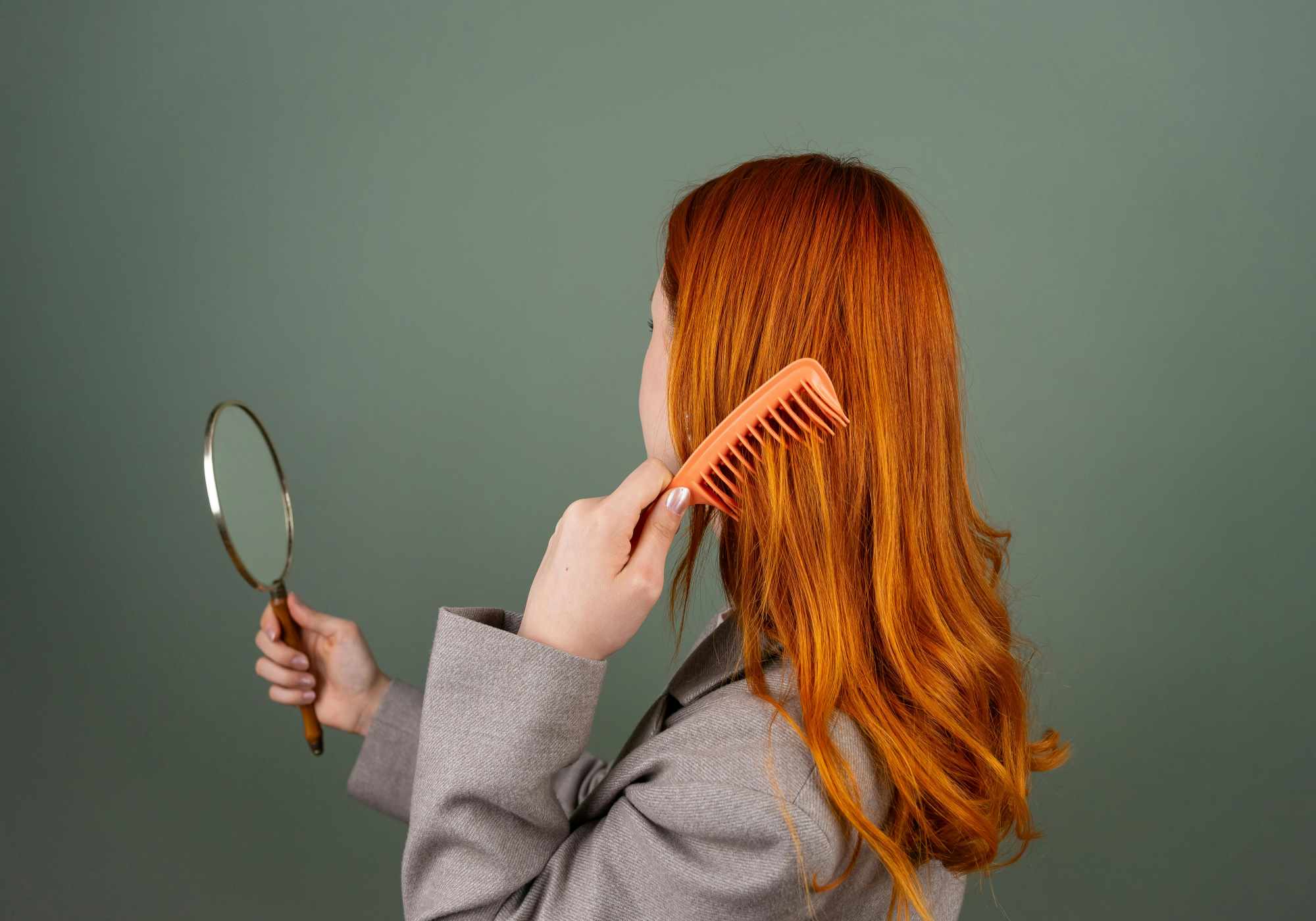 Image Source: Pexels
Final Thought
Hair flyaways are part and parcel to being hairy. They do not mean that your hair is unhealthy and unmanageable. In many cases they are a sign of new growth which is a sign of something positive. With the right daily habits gentle products and mindful styling you can minimize hair flyaways dramatically and achieve a smoother looking hair. Focus on moisture Cut friction and be kind to your hair. Small changes that are consistent often work better than strong and often quick fixes. When you take care of your hair in a balanced way the flyaways are easier to control and your natural texture can shine with confidence.
FAQs
What is the fastest way to fix hair flyaways
The fastest way to fix hair flyaways is to use a tiny amount of leave in conditioner hair serum or hand cream. Rub it between your palms then lightly smooth over the top layer of hair. This adds moisture and weight which helps strands settle.
Are hair flyaways a sign of damage
Hair flyaways are not always a sign of damage. Some are simply new hair growth. If flyaways feel rough and break easily then damage may be involved. Regular conditioning and gentle styling can improve this.
Can cutting hair reduce flyaways
Trimming split ends can help reduce hair flyaways caused by breakage. It will not remove baby hairs but it can make the overall look smoother and healthier.
Does humidity cause hair flyaways
Low humidity often increases static which leads to hair flyaways. High humidity usually causes frizz. Both affect how hair behaves so adapting products to the weather helps.
What products are best for hair flyaways
Lightweight serums smoothing creams and leave in conditioners are best for hair flyaways. Look for products that focus on moisture and smoothness without heavy buildup.
Can brushing wet hair cause more flyaways
Yes brushing wet hair roughly can stretch and break strands which later become flyaways. If you brush wet hair use a wide tooth comb and work gently from the ends upward.