How Dispensary Menus Shape the Modern Cannabis Shopping Trip
Walk into a dispensary without checking the menu first and you’ll probably stand there for ten minutes staring at a wall of jars. Ask me how I know. My first trip, I picked a strain…
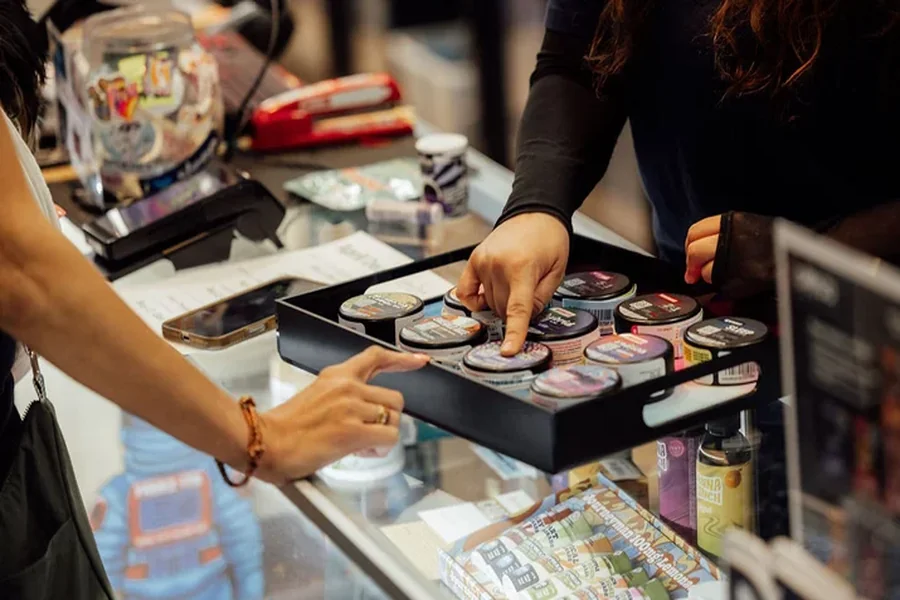
Walk into a dispensary without checking the menu first and you’ll probably stand there for ten minutes staring at a wall of jars. Ask me how I know. My first trip, I picked a strain because the label had a cool mountain on it, then spent the whole drive home wondering what I’d actually bought. That never happened again once I learned to read a menu before I left the house.
Here’s the promise: by the end of this piece, you’ll know how menus get built, what the columns and labels actually mean, and how to walk in with a short list instead of a blank stare. We’ll cover the categories most shops carry, the pricing quirks that trip people up, and a simple plan you can run before every visit.
What Actually Goes on a Dispensary Menu
Most retail menus break into the same handful of groups, even when the branding changes. You’ll see flower, pre-rolls, concentrates, edibles, tinctures, and often topicals or vape cartridges. Each group gets its own page or filter tab because the shopping experience is completely different depending on what you’re buying.
Flower usually lists strain name, THC percentage, package weight, and price tier. Pre-rolls might list a single joint, a two pack, or a five pack, and the price difference between those isn’t always proportional. Concentrates lean on texture words like budder, shatter, or live resin, which describe how the product was made rather than how strong it is. Edibles get dosed in milligrams per piece, and that number matters more than the flavor on the wrapper.
If the layout feels chaotic the first time, that’s normal. Menus are built for regulars who already know what they want, so they front load the details those shoppers scan for. You can work around that by reading the same category twice before moving on, once for names and once for numbers.
Why Menu Inventory Changes So Fast
I checked a shop’s online menu three days apart last spring and half the flower list had turned over. That’s not sloppy management. Cannabis is an agricultural product sold under tight tracking rules, and each batch moves through a state system that logs it from cultivation to sale.
According to the U.S. Census Bureau, licensed retail trade in this country runs on detailed recordkeeping at every step, and cannabis shops sit inside that same administrative world even though they can’t bank like a hardware store. The practical takeaway for you: a menu is closer to a snapshot than a catalog. What’s listed at noon might sell out by six.
That’s why I call ahead or refresh the page within an hour of leaving the house. It sounds fussy. It saves a wasted trip.
Reading THC Percentages Without Getting Fooled
A higher number isn’t automatically a better purchase. THC percentage tells you how much of the plant material by weight is the compound, not how the experience will feel. A 30 percent flower smoked in a hurry can feel harsher and less pleasant than a well grown 20 percent strain you actually enjoy.
Terpenes matter here too. Those are the aromatic compounds that give each strain its smell, and shops are starting to print them on labels next to the cannabinoid numbers. If a menu lists myrcene or limonene, that’s a signal the shop cares about more than raw potency.
My stance: pick by smell and description first, percentage second. You’re buying an evening, not a scoreboard.
How to Plan a Visit in Under Five Minutes
This is the routine I’d hand to anyone walking into a new shop for the first time.
- Open the menu and filter to the one category you actually plan to buy. Ignore everything else.
- Sort by price, not by THC. Find the range you’re comfortable with, then read the names inside it.
- Write down two or three options with their exact package weights. Weights vary more than you’d guess, so a cheap eighth and a cheap gram aren’t in the same race.
- Check the pickup or delivery window before you commit. Inventory moves, and a cart you built at breakfast may not survive until dinner.
- Ask one question at the counter about the strain you picked. Budtenders are usually the most useful part of the whole trip, and they’ll tell you if your pick is gas or grass.
Notice what’s missing from that list: browsing every category. New shoppers try to tour the whole store online and end up overwhelmed. Narrow first, expand later. The preview of a Broomfield Recreational Dispensary Menu is a good example of how one shop lays its categories out for exactly this kind of quick scan.
The Pricing Quirks Nobody Explains
Cannabis pricing follows tiers, and tiers follow batch size, potency, and how long the product has sat. A gram and an eighth of the same strain rarely scale in a straight line, which is why splitting your budget across a few small packages often beats one big one when you’re trying something new.
Tax structure varies by state and municipality, and it’s applied at the register rather than baked into the sticker price. Budget for that. The number on the menu is a starting point, not a final total.
Standardization across manufactured goods is something the National Institute of Standards and Technology has spent a century working on, and it’s a decent lens for understanding why cannabis labeling still feels uneven. Rules exist, but they’re newer here than in almost any other retail category you shop.
Delivery Menus and Store Menus Aren’t the Same
If you’re ordering delivery, expect a narrower list. Drivers can only carry so much, so shops trim the menu to products that travel well: packaged edibles, pre-rolls, sealed flower. Loose concentrate and anything temperature sensitive often stay in the store.
You’ll also see minimums and delivery radius maps, and those vary block by block. Living inside a city limit doesn’t guarantee you’re inside the delivery zone. Check the address field before you build a cart, because nothing stings like filling a basket and getting told you’re three streets too far.
The Part That Surprises Most First Timers
Legal cannabis retail is younger than the smartphone. Colorado voters approved recreational sales in 2012, and the first stores opened in 2014, so an entire generation of shoppers learned how to buy weed at the same time the stores learned how to sell it. The National Archives keeps the record of how federal policy shifted around that era, and it’s genuinely strange reading for anyone who assumes this industry has always been here.
That youth shows up in the menus. You’ll spot inconsistent naming, three spellings of the same strain, and photos taken on somebody’s phone. None of that means the product is bad. It means you’re shopping in a category still writing its own rulebook.
What to Do Before Your Next Visit
Build the habit now and the whole thing gets easier. Check the menu within an hour of leaving. Pick two options instead of ten. Bring a rough budget that accounts for tax. Ask the budtender one real question. Then keep a note on your phone about what you liked, because a menu you can read is only half the puzzle. The other half is remembering what worked last time.
What’s the one strain you’d buy again tomorrow without hesitating?