The Cash Flow Playbook for Hemp Wholesale Buyers: Timing Orders Around Inventory Cycles
Two buyers place the same order in the same week. One has cash sitting in a warehouse; the other has cash sitting in a bank account earning nothing while a distributor waits on a minimum.…

Two buyers place the same order in the same week. One has cash sitting in a warehouse; the other has cash sitting in a bank account earning nothing while a distributor waits on a minimum. Six months later, the first buyer is reordering and the second is discounting dead stock to make room for a holiday shipment that already arrived late.
Timing is the whole game in this trade. Product margins are thin enough that a single mistimed pallet can wipe out a quarter of your profit, and the buyers who survive are the ones who treat ordering like a calendar problem, not a shopping problem. If you’re sourcing at volume for a shop, a gym, or a regional distribution route, working with a supplier that publishes clear minimums and lead times, such as a wholesale CBD products program built for resellers, removes half the guesswork before you place a single unit on a shelf.
The other half is on you. Here’s the framework I use when I’m helping a shop line up its buying schedule.
The Three-Bucket Ordering Framework
Most buyers lump every purchase into one budget line and then panic when a restock lands in the same month as rent. Split your hemp inventory into three buckets instead, and fund each one differently.
Bucket one: the four-week core. This is the product you sell every single week without thinking about it. Your best-selling gummy, the top salve, the standard tincture. This stock should never dip below what you move in a month. Reorder it on a fixed date, not on a feeling.
Bucket two: the seasonal bet. Gift sets, bundle packs, limited flavors, anything you’d feature in a window display. These get ordered once per season, sized to what you actually sold last season plus a modest bump. If you didn’t sell it last season, order smaller than your gut says.
Bucket three: the test box. One or two new SKUs per quarter, sized at the smallest case the supplier allows. No test gets a second order until it earns one.
I’d pick this structure over a single flat budget every time, because it makes the seasonal conversation honest. When bucket two has its own number, you stop borrowing from rent money to chase a trend.
Why Do Hemp Wholesale Minimums Break Small Buyers?
Because the minimum is set for the supplier’s shipping economics, not for your cash flow. A case minimum that looks reasonable on paper can tie up more working capital than a small retailer holds in a slow month.
According to baseline guidance from the Small Business Administration, managing cash flow is one of the most common pressure points for small retailers, and inventory is usually where the money hides. That’s not a hemp-specific problem, but this trade makes it sharper because product has a shelf life and labeling rules that change.
Weigh the minimum against your turn rate. A low minimum on a product you sell slowly is worse than a higher minimum on a product you turn weekly. Do the math in units per month, not in dollars.
Build an Ordering Calendar Around Your Real Traffic
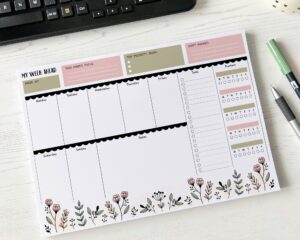
Your calendar should mirror your foot traffic and your online spikes, not the calendar on your wall. Sit down with twelve months of sales and mark the four weeks a year when you genuinely sell more.
Here’s the practical sequence I’d run, in this order:
- Pull last year’s monthly unit sales for every hemp SKU.
- Mark your four peak weeks and your two slowest weeks.
- Set a reorder date six to eight weeks before each peak. That’s your production and shipping buffer, not your panic window.
- Set a freeze date two weeks before the peak. No new SKUs after that, no exceptions.
- Schedule a clearance window for bucket three items that didn’t move within sixty days.
That freeze date is the piece most buyers skip, and it’s the one I’d defend hardest. New products arriving during a peak create shelf clutter exactly when you need your bestsellers front and center.
Read Demand Signals Before You Scale Up
Broad consumer spending patterns move in ways small buyers can watch without a research budget. The U.S. Census Bureau publishes monthly retail trade data that tells you whether discretionary spending is expanding or pulling back, which is a useful sanity check before you double a seasonal order.
Treat that data as a weather report, not a forecast. It won’t tell you which flavor to stock. It will tell you whether this is the year to be brave or the year to be conservative, and for a small buyer that’s enough.
Your own numbers beat any external signal anyway. Watch two things: the number of days a product sits before it sells, and how often a customer asks for something you don’t have. Rising days plus rising questions means you’re overstocked on the wrong thing and understocked on the right one.
The Compliance Calendar Nobody Puts on the Wall
Labels, claims, and packaging requirements can shift, and a supplier who updates you is worth more than one who discounts. The Federal Trade Commission oversees advertising and labeling standards that apply to how CBD products are marketed, and that framework affects what you can print on a shelf talker as much as what’s on the bottle.
Build one shared document with your supplier that logs current label artwork, certificate of analysis versions, and the date each was verified. Update it at the same time each quarter you already run your reorder review. When an inspector or a wholesale buyer asks a question, you’re answering from a file instead of a memory.
A Scenario Worth Copying
A medium sized shop I know operated with just one credit card limit and their gut. It arrived this November, it was in the shop during December, and the margin was lost.
The owner changed this next year, to bring the order date down to early September, and divided this into what they consider “core restock” (Earlies) and what they consider to be a smaller “seasonal” (Lighter Purchases) laying bet and added a clearing week towards the end of October. Same budget. No discounts of any kind at the end of the heyday, the seasonal item had been sold out. It’s simply a change in the date and a smaller bet.
The One Habit That Protects Your Margin
Check your inventory of hemp each Monday morning for 15 minutes. Count the remaining and see how it matches the reorder points in your calendar – and make a note of what’s moving slower than it should. Better than a warehouse full of product that you cannot sell – 15 minutes a week.
Love it or hate it, hemp wholesalers who win are neither those who have the deepest pockets nor the largest backrooms. It is these individuals who understand the precise moment to buy or the moment to cease, the amount to bet on an entire season, and much more. Get your four peak weeks on a calendar this week, choose your freeze date and experience the calmness of your following ordering cycle.