What to Look for in a Professional Aesthetic Clinic in Vancouver
Choosing an aesthetic clinic is about far more than finding a convenient location or comparing treatment prices. When a service affects your skin, facial features, or overall appearance, the quality of the consultation, clinical standards,…
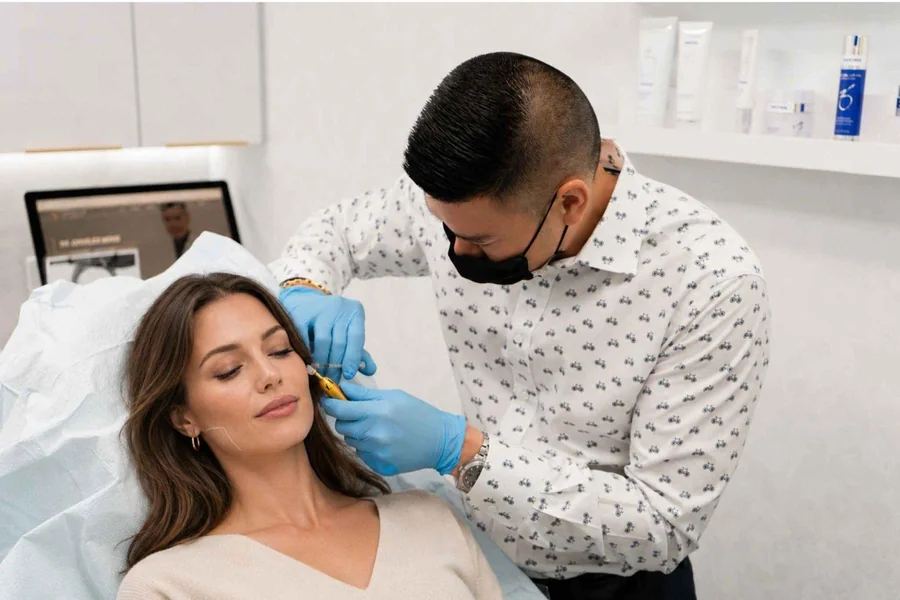
Choosing an aesthetic clinic is about far more than finding a convenient location or comparing treatment prices. When a service affects your skin, facial features, or overall appearance, the quality of the consultation, clinical standards, technology, and aftercare all shape the outcome.
Vancouver has a crowded, sophisticated aesthetic market. That gives clients plenty of choice, but it also makes the decision harder. Clinics often offer overlapping treatment menus, yet their approach to patient care can differ a lot. A polished website or an impressive treatment list won’t tell you how carefully a clinic actually evaluates your needs or manages your care.
A professional clinic should leave you feeling informed, not pressured. From your first consultation through follow-up care, you should know what’s being recommended, why it’s appropriate, what results are realistic, and what risks or limitations to keep in mind.
1. Start With the Quality of the Consultation
A strong consultation is one of the clearest signs of a professional aesthetic clinic. Before recommending anything, a qualified practitioner should take the time to understand your concerns, medical background, previous procedures, skincare routine, and expectations.
The goal shouldn’t be to sell the most expensive procedure or talk you into more treatments than you need. A responsible consultation focuses on finding the most suitable approach for your individual situation, not the biggest invoice.
You should feel comfortable asking questions during this stage. A practitioner should be able to explain the purpose of a procedure, expected downtime, possible side effects, recovery requirements, and the type of results you can reasonably expect. If these conversations feel rushed, take that as a sign to keep looking.
2. Examine the Clinic’s Credentials and Clinical Standards
Aesthetic treatments range from simple skincare procedures to medical treatments that require real technical skill. That makes practitioner qualifications and clinical standards a genuinely important part of the decision.
Look into who actually performs the treatments and what training they’ve had. Depending on the procedure, you may want to know whether the practitioner is a physician, a nurse, or another appropriately trained professional, and whether they have specific experience with the treatment you’re considering.
If you’re researching a Vancouver medical aesthetics clinic, The Vancouver Aesthetician is a useful example of the kind of clinic clients come across when looking for a more professional approach to aesthetic care. What matters isn’t the length of a clinic’s service list, but whether it takes the time to understand the person behind the treatment request and builds recommendations around their actual needs.
The clinic should also show a clear commitment to safety: proper patient screening, informed consent, sterile procedures where required, correct storage and handling of products, and protocols for managing complications. Don’t hesitate to ask who will actually perform your treatment. A consultation with one person followed by a procedure from someone else can be perfectly reasonable, as long as the roles are explained clearly and you know who’s responsible for your care.
3. Look Beyond the Treatment Menu
A long list of services can look impressive, but it isn’t proof of a better clinic. Often the more useful question is how selective the clinic is about which services it actually recommends to you.
Different skin types, facial structures, ages, lifestyles, and personal preferences call for different approaches. Two people with the same concern may need entirely different treatment plans.
Pay attention to whether the clinic walks you through alternatives. If you’re considering treatment for pigmentation, for example, there may be several approaches depending on the underlying cause and your skin characteristics. A good practitioner explains why one option fits your case better than another, rather than presenting a single procedure as the universal fix.
This kind of individualized thinking also helps prevent unnecessary treatment. Sometimes the right recommendation is a better skincare routine, addressing one concern before another, or simply waiting before adding another procedure.
4. Evaluate the Technology and Treatment Approach
Technology in aesthetic medicine moves fast, but newer doesn’t automatically mean better. A reputable clinic should be able to explain what technology it uses, what it’s designed to treat, and why it suits your particular case.
When evaluating a treatment, ask about the underlying technology rather than just the brand name behind it. Find out what the procedure is meant to accomplish, how many sessions it typically takes, what recovery looks like, and what its limitations are.
Equipment also needs to be properly maintained and operated by trained staff who understand settings, contraindications, skin characteristics, and appropriate treatment parameters. A thoughtful clinic will generally discuss both benefits and limits. Be wary of claims that a treatment can dramatically change your appearance with no risk, no downtime, and guaranteed results. Skin and aesthetic medicine rarely work in such absolutes.
5. Review Before-and-After Results Carefully
Before-and-after photos can help you understand a clinic’s work, but they need to be read carefully. Look for images that are consistent in lighting, angle, facial expression, and quality. Big inconsistencies between photos make results hard to judge fairly.
It also helps to check whether the examples are relevant to your specific concern. A practitioner might have great results with one treatment but limited experience with another.
Remember that photos show individual outcomes. Your skin, anatomy, age, lifestyle, healing response, and treatment history can all produce a different result than what you see in someone else’s photo. A trustworthy clinic won’t present photographs as guarantees. Instead, they’ll use them to set a realistic sense of what might be achievable for you.
6. Pay Attention to How the Clinic Discusses Risks
Aesthetic treatments are elective, which makes informed decision-making especially important. You should understand the potential risks before agreeing to anything.
A professional practitioner won’t avoid discussing complications just because it makes the treatment less appealing. They should walk you through common temporary effects, possible complications, relevant contraindications, and what to do if you have an unexpected reaction.
This conversation should match the scale of the treatment. A more involved procedure usually calls for a more detailed discussion of preparation and recovery, while simpler treatments need less. You should also be told plainly when a particular procedure isn’t right for you. Being advised against a treatment can actually be a good sign, since it shows the clinic cares more about your wellbeing than the sale.
7. Consider the Quality of the Facility
The physical space itself can tell you a lot about how a clinic operates. A professional facility should be clean, organized, private, and properly equipped for the services it offers.
Notice how staff communicate with you the moment you arrive. Do they take your questions seriously? Is your personal information handled discreetly? Do practitioners explain what they’re doing as they work?
A welcoming space is nice, but clinical professionalism matters more than decor. An attractive interior can’t make up for poor communication, weak screening, or an inexperienced team. For treatments involving medical devices or injectables, the standard of the treatment room and the clinic’s hygiene practices deserve extra scrutiny.
8. Ask About Aftercare Before Booking
Your relationship with a clinic shouldn’t end the moment you walk out the door. Good aftercare is often what separates a satisfactory experience from a frustrating one.
Before you book, ask what happens after the procedure. Will you get written instructions? Is follow-up included? Who do you contact if something feels off? How quickly can the clinic respond if something unexpected comes up?
These details can seem minor while you’re comparing clinics, but they matter a great deal once treatment is done. A clinic that gives clear aftercare guidance is treating your visit as part of an ongoing relationship, not a one-off transaction.
9. Be Careful With Price-First Decisions
Cost matters, but choosing a clinic mainly because it’s the cheapest option can create unnecessary risk.
Price differences often reflect differences in practitioner experience, consultation time, equipment, product quality, facility standards, or aftercare. A cheaper treatment isn’t better value if the experience or the result falls short.
Instead of asking only “how much does this cost,” ask what’s included in that price. Does it cover the consultation? Follow-up visits? Necessary aftercare? Is the quote for one session or an entire treatment plan? A transparent clinic should be able to explain its pricing without leaning on pressure tactics.
10. Look for Honest Expectations and Natural Results
One of the most important qualities in aesthetic care is a practitioner’s ability to set realistic expectations. They should listen to what you want while also being honest about what’s actually achievable.
This matters most when the goal is subtle rejuvenation rather than dramatic change. Many clients want to look refreshed while still looking like themselves, and getting that right takes careful assessment and a fair amount of restraint.
During your consultation, be clear about what you want to change and what you want to keep. The practitioner should tell you honestly whether your expectations are realistic and suggest a strategy that fits them. You should never feel rushed into a decision. Taking time to think it over is reasonable, especially for something elective.
Making a Confident Choice
Finding the right aesthetic clinic in Vancouver takes a bit more digging than comparing treatment menus or promotional offers. The strongest signs of professionalism usually show up in the details: the quality of the consultation, practitioner credentials, safety protocols, honest communication, individualized recommendations, and aftercare.
A reputable clinic helps you make an informed decision rather than making it for you. You should leave a consultation with a clearer sense of your options, not a feeling that you need to buy something right away.
In the end, a good aesthetic experience comes down to trust. When a clinic combines real expertise with careful assessment, honest communication, and a patient-focused approach, you can go into treatment with more confidence and more realistic expectations. Taking the time to weigh these qualities before booking can make a real difference to both your experience and your results.
Name: The Vancouver Aesthetician
Address: 658 Homer St #410, Vancouver, BC V6B 2R4, Canada
Phone: +1 604-332-6662