Caring for a Kitchen Sink, Whatever It Is Made Of
Few things in a house work as hard as the kitchen sink, and few get such rough treatment. It is scratched by pans, stained by tea, scalded with pasta water and then expected to shine…
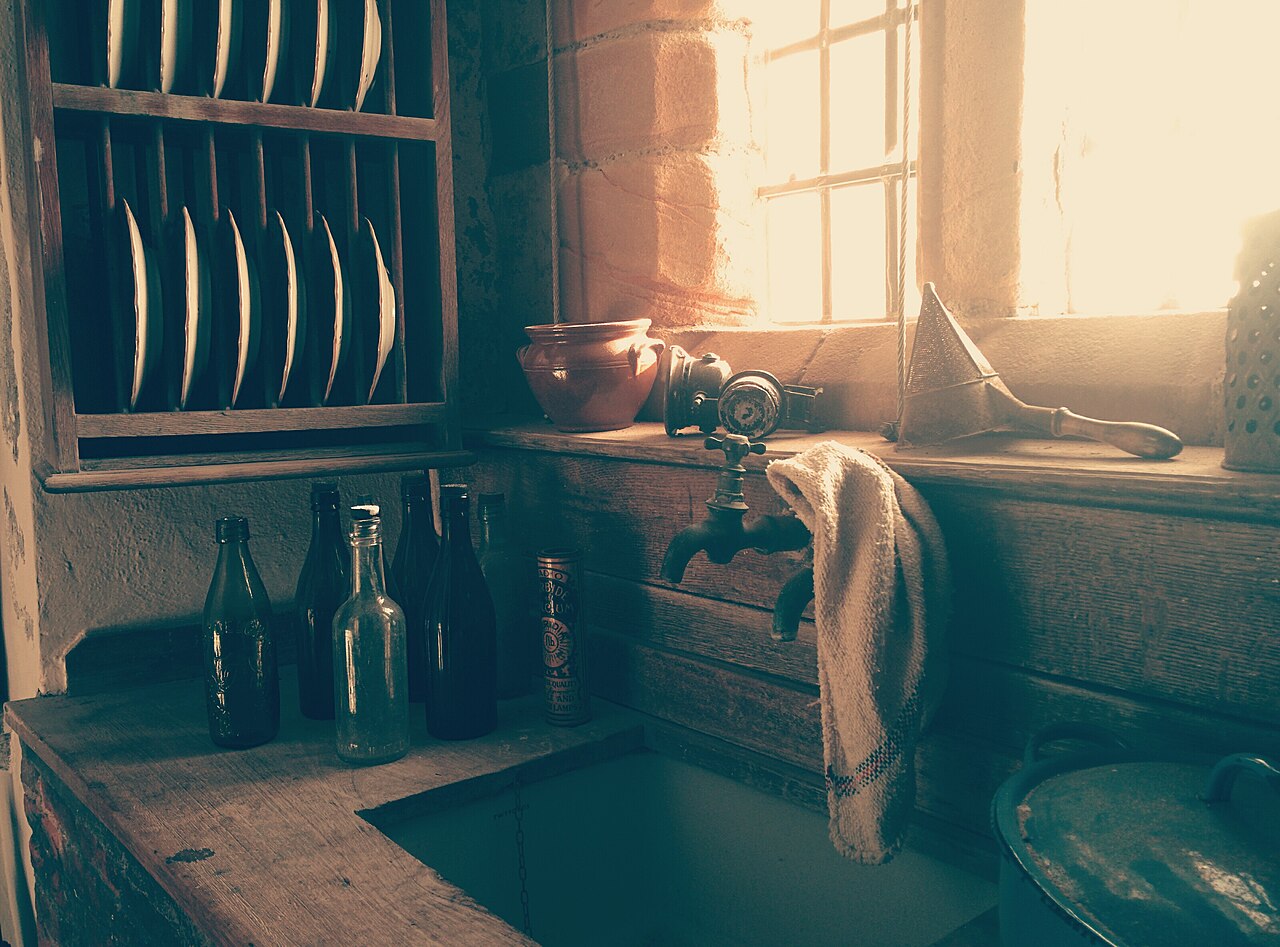
Few things in a house work as hard as the kitchen sink, and few get such rough treatment. It is scratched by pans, stained by tea, scalded with pasta water and then expected to shine for guests. In rented homes it changes hands every couple of years, so landlords and Mark Thomas Management experts tend to see what different cleaning habits leave behind: dull patches, rust freckles, a chip near the drain. Nearly all of that depends on what the basin is made from and which bottle was kept underneath it.
Working out the material is the first step. After that the routine is short, and much gentler than most people assume.
Stainless steel: follow the grain
Look closely at a steel sink and there are faint lines running in one direction. Rubbing along those lines hides small scratches, while scrubbing in circles makes new ones that catch the light. A soft sponge, a drop of dish soap and a rinse will do on ordinary days.
The spots people complain about are mostly minerals left behind as water dries. Wiping the basin with a dry cloth after the evening dishes stops them forming. For the ones already there, white vinegar on a cloth works well, as long as it is rinsed off after a minute or so. Baking soda made into a paste will lift tea rings.
Steel wool is the real enemy. Tiny bits break off, lodge in the surface and rust, and the sink gets the blame. The same goes for a wet cast iron pan left overnight. Bleach should be kept away too, since chlorine can pit the metal, and the damage does not polish out.
Porcelain and enamel: mind the chips
The old white sink under a farmhouse window is usually cast iron or steel with a glassy coat baked on top. That coat is hard, but it is brittle. A dropped skillet can knock out a flake the size of a lentil, and underneath is bare metal waiting to rust.
Touch-up kits from a hardware store seal small chips, provided the spot is clean and perfectly dry first. A plastic basin or a rubber mat prevents most accidents, although the mat has to be lifted and rinsed. Grime trapped under a mat can leave a pattern that outlives the mat.
Gritty powders are tempting on a white surface, and they do work, once or twice. Each use takes a little shine with it, and a dull finish stains faster than a glossy one. Soap, warm water and patience are kinder. Gray pan marks often come off with a paste of baking soda and a soft cloth.
Stone, composite and everything else
Granite composite hides a lot, dark colors especially. What it shows is limescale, as a pale haze that looks like wear. A half-and-half mix of vinegar and water usually clears it, but check the maker’s advice, because some finishes dislike acid.
Natural stone is fussier. Marble and limestone are etched by lemon juice, vinegar and tomato sauce, so plain soap made for stone is the safe choice, and a sealer has to be renewed now and again. Copper changes color as it ages. Some people love the brown and green mottling; others polish every month and wonder why they bought it.
Acrylic scratches easily and hates heat. Run the cold tap while draining a pot of boiling water, and that one habit will protect almost any sink, along with the pipe joints below it.
Drains, rims and the cupboard beneath
A clean bowl with a bad smell is a drain problem. Food collects on the underside of the rubber splash guard and around the strainer basket, where nobody looks. Pull both out, if they come out, and scrub them with an old toothbrush. Grease is best wiped from pans with paper and thrown away, because hot fat turns solid a few feet down the pipe.
Around the rim, check the bead of sealant every few months. If it has gone black or lifted at a corner, water is getting behind it and the countertop may be swelling. Scraping it out and laying a fresh line takes an hour, plus a night to cure.
Then open the cupboard. Run a hand along the trap and the supply hoses, and feel for damp. A slow leak in the dark invites roaches and silverfish, and more than a few pest problems at home have started with one weeping joint behind the dish soap. Keep the floor of the cabinet clear enough to see. A tray under the bottles will catch drips, and it makes a leak obvious.
None of this takes long. Wash, rinse, dry with the towel that was going in the laundry anyway. After a month of that, the special cleaners under there will probably start gathering dust.