Living With Hard Water Without Wearing Out the House
The first clue is usually the kettle. A white crust appears at the bottom, flakes float in the tea, and no amount of rinsing seems to keep it away. Hard water is simply water that…
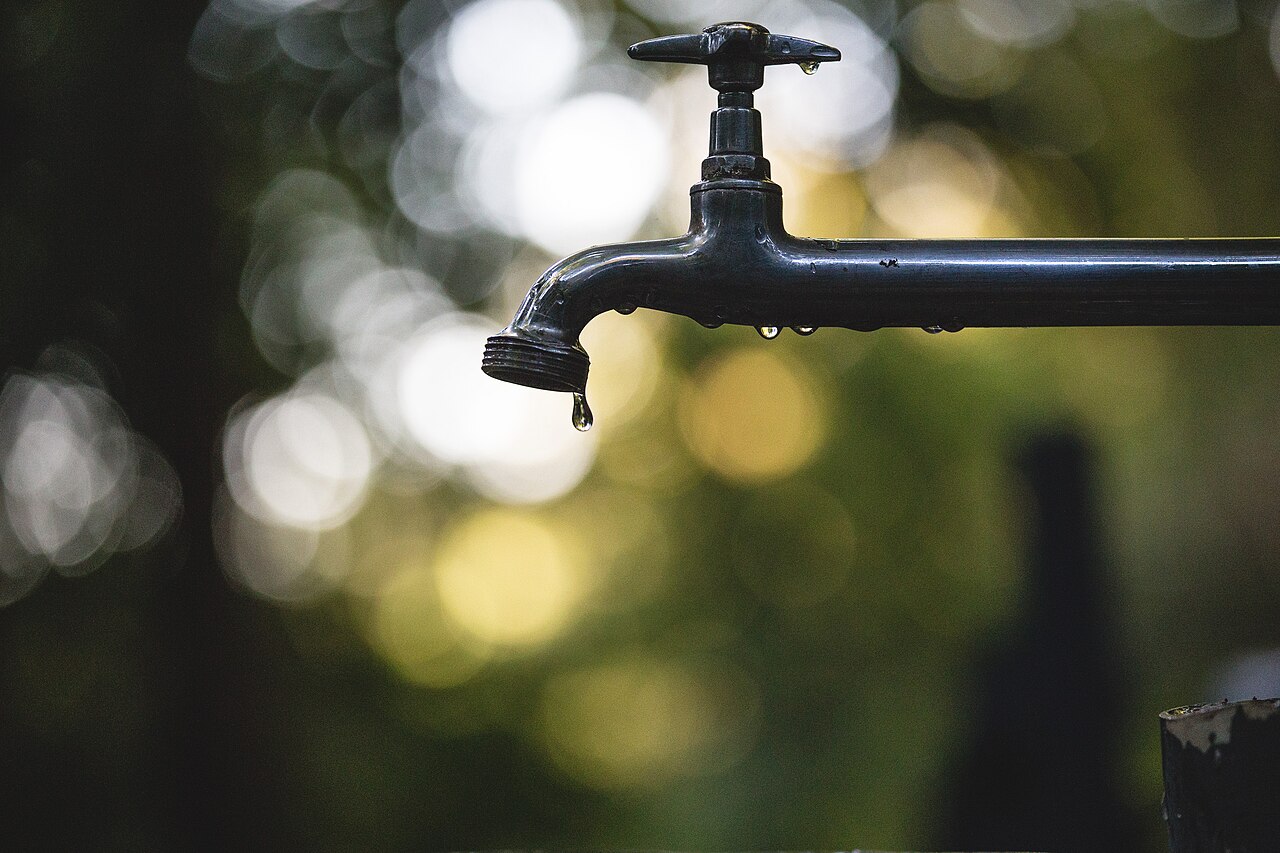
The first clue is usually the kettle. A white crust appears at the bottom, flakes float in the tea, and no amount of rinsing seems to keep it away. Hard water is simply water that has picked up calcium and magnesium on its way through rock, and it is safe to drink in most cases. Plumbers, caretakers and McCourt Real Estate & Property Management professionals meet it through its side effects: clogged shower heads, short-lived appliances and taps that stiffen until somebody forces them.
A large share of homes have hard water to some degree. Getting along with it is mainly a question of knowing where the minerals settle, and dealing with those places before they cause trouble.
Finding out how hard it is
The local water supplier generally publishes a yearly report, and hardness is often in there, given in grains per gallon or milligrams per liter. Above about seven grains, or 120 milligrams, counts as hard. Homes with a private well will need a test, and inexpensive strips give a fair idea.
Without numbers, the house itself offers evidence. Soap will not lather. Glasses come out of the dishwasher cloudy, towels feel like cardboard, and a ring forms in the tub a day after cleaning. Dark tile shows every drip as a pale dot.
One caution about glassware: if the haze wipes away with vinegar, it is mineral. If it stays, the glass has been etched, often by soft water and too much detergent, and it will not come back.
Where scale does its damage
Minerals fall out of water when it is heated, so anything hot suffers most. Inside a water heater they collect as sediment on the base or as a shell around the elements. The unit takes longer to warm up and uses more energy doing it. Draining a few gallons each year, following the manual, keeps the layer thin.
Tankless heaters have narrow passages and are fussier. Makers commonly suggest descaling every year in hard areas, a job that involves circulating a mild acid through the unit with a small pump. Skipping it might void the warranty.
Then come the small openings. Shower heads, faucet aerators, the spray arms of the dishwasher, the inlet screens on a washing machine. Flow drops so gradually that people blame the pressure. Unscrew the aerator and tap it over a white plate; the grit that falls out explains a lot. Toilets get their share as well, in the little holes beneath the rim, and the flush grows lazy.
Heating systems that use a sealed loop are less affected, since the same water goes round and round. If one keeps needing to be topped up, though, fresh minerals enter every time, and the leak should be found.
Cleaning it off safely
White vinegar handles nearly everything. Tie a bag of it around a shower head overnight, held on with a rubber band, then rinse and poke the nozzles with a toothpick. Lay a soaked cloth around the base of a tap for an hour. Boil a kettle half full of vinegar and water, leave it to stand, then rinse it twice.
Citric acid powder does the same without the smell. Stronger commercial descalers exist, and they need gloves, an open window and a careful read of the label. Never mix any acid with bleach, because the gas that comes off is dangerous. Keep acids away from marble, limestone, and brass or nickel finishes unless the maker says otherwise.
Afterwards, prevention is dull and effective. A squeegee hanging in the shower. A quick wipe round the tap at bedtime. Scale that never dries in place never has to be scrubbed.
Softeners, and whether one is needed
A traditional softener swaps calcium and magnesium for sodium, using resin beads that are refreshed with salt. It works, and appliances tend to last longer behind one. It also takes up floor space, needs bags of salt, sends brine to the drain and adds a little sodium to the water. Many households leave the kitchen cold tap unsoftened for that reason.
Salt-free conditioners take a different route. They do not remove minerals but try to keep them from sticking. Results vary with the water and the equipment, so independent test data is more helpful than a brochure. Some areas restrict softeners because of the salt in wastewater, which is worth checking first.
Plenty of people decide against both and adjust a few settings. Lowering the water heater a bit slows scale, within whatever limit is advised for health. Timers and smart thermostats trim the energy wasted on heating that nobody needs. Use a rinse aid, a little more detergent, and cooler washes. Add a yearly descaling day to the calendar, somewhere near the furnace filter. The crust in the kettle will return regardless, but it can stop being a sign of something worse.