Small Front Yard Changes That Alter How a House Looks
Stand across the street from your own home for five minutes. It is an odd exercise, and slightly embarrassing if the neighbors are out, but it shows things the driveway never does. The porch light…
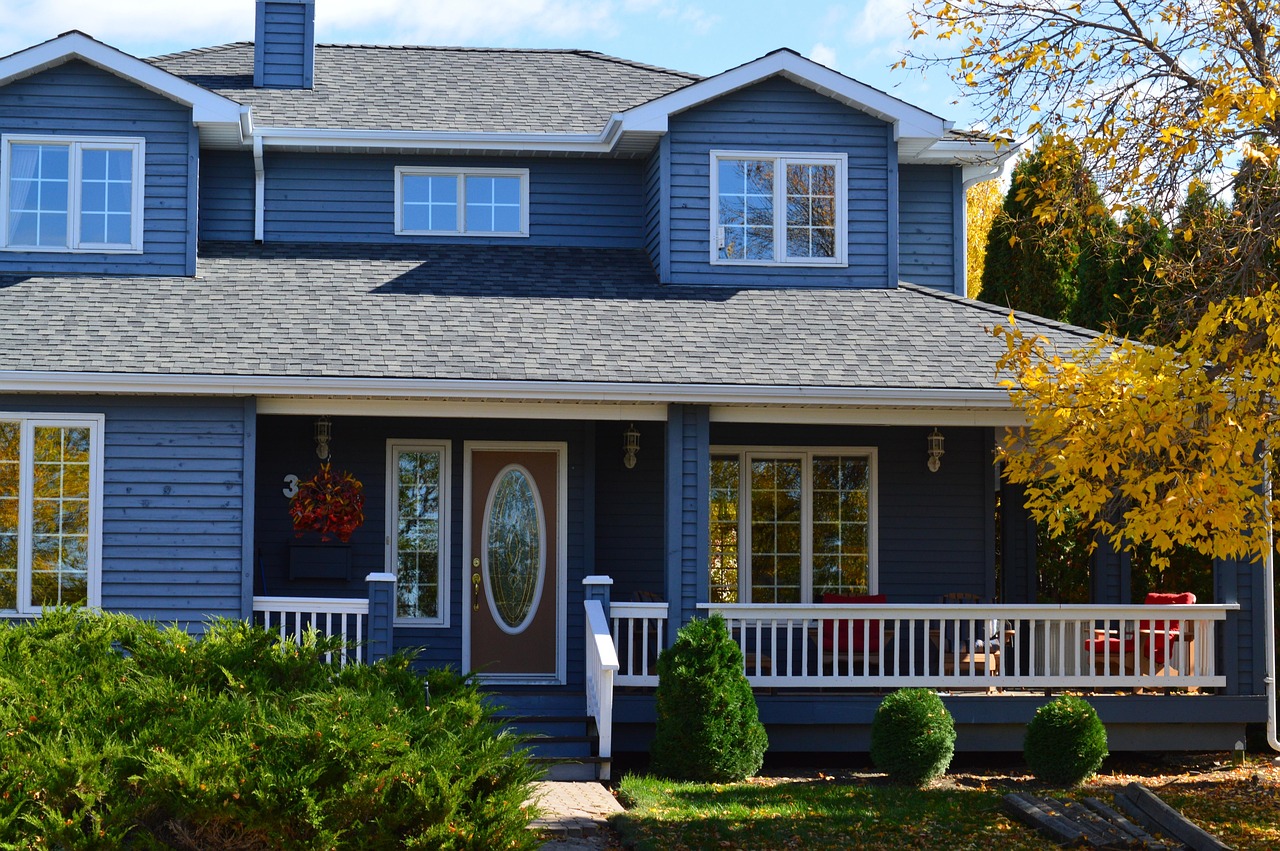
Stand across the street from your own home for five minutes. It is an odd exercise, and slightly embarrassing if the neighbors are out, but it shows things the driveway never does. The porch light is too small. One shrub is eating a window. Owners preparing to sell do this, as do landlords and firms along the lines of Legacy Realty & Management whose work involves how a home presents itself, though it is just as useful for people who intend to stay. The changes that make a difference tend to be modest, and quite a few cost almost nothing.
Take a photo while you are there. Cameras are less forgiving than memory, and they flatten everything into what a stranger sees.
Edges before flowers
The quickest improvement in most yards is a clean line. Where grass meets the path, the bed or the curb, it creeps, and the whole front goes soft and blurry. Cut a crisp edge with a flat spade after rain, when the soil gives easily. Pull the stray runners out. Suddenly the lawn looks mown, even if it was not.
Beds come next. Remove what is dead, then whatever is nearly dead and being kept for sentimental reasons. A fresh layer of mulch, about two inches deep and kept away from trunks, ties mismatched plants together better than any new planting would. Choose one color and stay with it.
Good tools make this less of a chore, and the job often gets put off simply because the trimmer will not start. This overview of tools for mowing and trimming is handy for anyone whose shed is mostly rust. Sharpen the mower blade as well. Torn grass turns brown at the tips, and no amount of water will hide it.
The path and the door
Every front view has a destination, and it is usually the door. Follow the route a visitor would take and notice where the eye trips. A sunken paver. A hose coiled across the step. Moss, charming in a garden and slippery on a walkway. Lift and level the worst stones with sand, scrub the rest, and trim anything that brushes against a sleeve.
Wider feels welcoming. If the path is narrow and fixed, a strip of gravel or low planting on each side makes it seem broader without pouring a thing. Curves should have a reason, such as a tree. A bend around nothing at all will be ignored, and the shortcut worn into the grass will prove it.
As for the door, paint is cheap and strong in effect. Pick a color that answers something already there, like the brick or the roof, and look at a sample in morning and evening light before committing. Clean or replace the hardware while the brush is out. House numbers deserve to be legible from the road, both for guests and for an ambulance.
Light, height and a bit of restraint
Fixtures on most houses are too small. Builders choose them in bulk, and beside a tall door they resemble earrings. As a rough guide, a lantern about a quarter to a third of the height of the door looks right from a distance. Warm bulbs flatter brick and wood alike, while a harsh white one makes a porch feel like a loading dock.
Along the path, a few low lights pointing down do more than a runway of them. Aim for pools with darkness between. One soft light beneath a tree with good branches can carry a whole yard after sunset, and it uses very little power.
Planting should step up toward the house, short in front and taller behind, but nothing should block the lower half of a window. Cut overgrown shrubs back in stages over a season or two, because many will not sprout from bare old wood. Repeating three or four plants gives a calmer look than owning one of everything. Two matching pots by the door are plenty.
The things that quietly drag it down
Some items do not add beauty when fixed, yet they spoil the view when ignored. Trash bins in plain sight. A sagging gutter. Cables looped across the siding. A mailbox that leans. Walk along with a roll of tape and mark each one, then spend a single Saturday working through them. It is dull work with a surprisingly visible result.
Washing counts as well. Siding, windows, the garage door and the concrete all gather a gray film so slowly that nobody notices. Use gentle pressure, since a strong jet can force water behind boards or strip paint. Often a soft brush and a bucket will do.
Then cross the road again and take the second photo. Compare the two. Chances are you will not be able to name half of what changed, only that the place looks cared for, and that somebody appears to live there on purpose.