When a Tenant Gets Locked Out: A Calm Plan for Rental Owners
The call tends to come at a bad time. A tenant is standing on the step with two bags of shopping, the keys are on the kitchen counter, and the door has clicked shut behind…
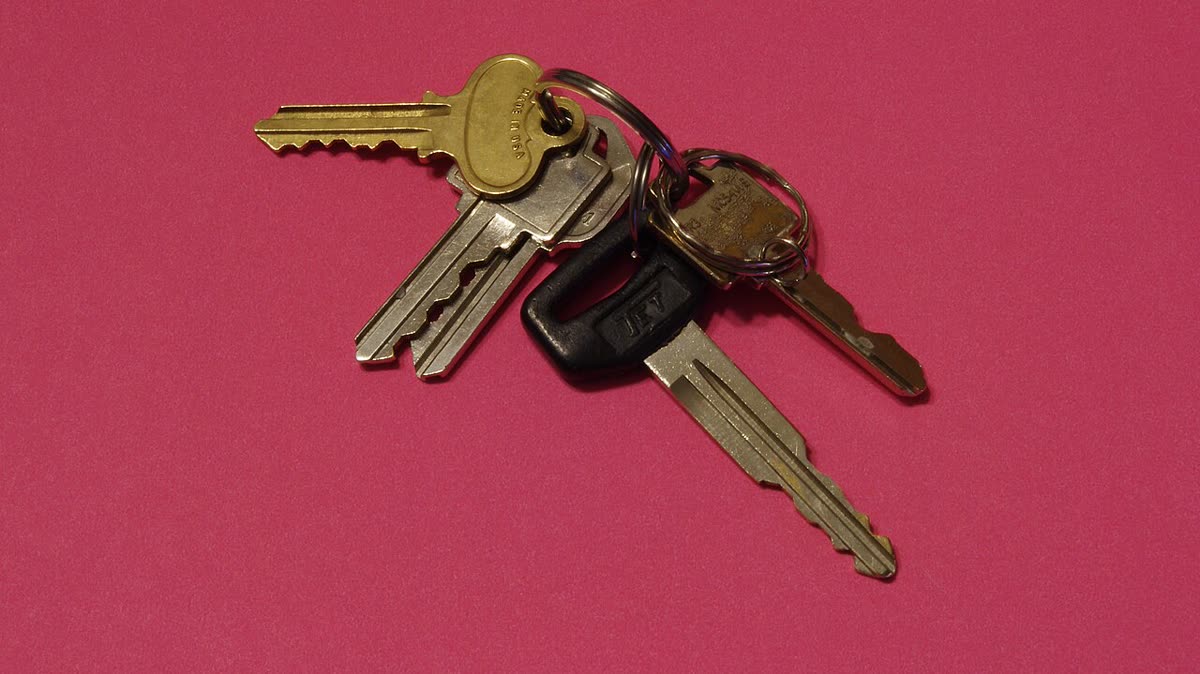
The call tends to come at a bad time. A tenant is standing on the step with two bags of shopping, the keys are on the kitchen counter, and the door has clicked shut behind them. Anyone who looks after rented homes, from an owner with one small flat to the McCourt Real Estate & Property Management team, has to have some kind of answer ready for that moment. Without one, every lockout turns into a fresh argument about who pays, who travels and how fast.
A lockout plan does not need to be long. Half a page is plenty. What matters is that it exists before the phone rings, and that the tenant has seen it.
Decide who holds a spare, and where
Start with the dull question of where the spare key lives. A key in a drawer two hours away is barely a spare at all. Some owners leave one with a trusted neighbor. Others use a coded lock box fixed somewhere out of sight, or a keypad on a side door that removes the problem for most of the year.
Each choice has a weak spot. Neighbors go on holiday. Lock box codes get passed around and nobody changes them. Keypads run on batteries, and batteries fail on cold mornings. Electronic entry is now common enough that it comes up in most discussions of smart property management, but a physical key kept somewhere sensible is still worth having for the day the screen goes blank.
Whatever you pick, label it in a way that means nothing to a stranger. A colored dot or a short code that matches a list kept elsewhere does the same job quietly.
Test the spare as well. Copies of copies get sloppy, and a key that was cut in a hurry may turn in the shop’s sample lock and stick in yours. Try it in the actual door, with the door both open and closed, because a slightly dropped door can make a good key feel like a bad one.
Write down the cost before anyone is cross
Money is where lockouts go sour. A tenant who lost their keys on a night out and a tenant whose lock jammed are in quite different positions, yet both will be told “you’re locked out” and both will wonder about the bill.
A simple split usually holds up. If the lock itself failed, the owner covers it, since the lock is part of the home. If the key was lost or left inside, the tenant covers the call. Put that in the lease or in the welcome notes, in ordinary words, and check that it agrees with local rules, because some places limit what can be charged and how.
It helps to mention timing too. A locksmith at eleven at night can cost a good deal more than one at ten the next morning. A tenant who knows that might choose to sleep on a friend’s sofa. A tenant who finds out afterward will feel ambushed.
Keep a note of two local locksmiths rather than one. Ring them on a quiet weekday, ask what they charge for a basic opening, and ask whether they try to open a door without drilling first. Good ones generally do. Write the answers beside the numbers.
Check who is asking
This is the part people skip, because the voice on the phone sounds upset and it seems unkind to ask questions. Still, letting the wrong person into a home is far worse than making the right one wait ten minutes.
Call back on the number you have on file. Ask something only the tenant would know, such as the month the lease began or the name of the other person on it. If someone else is at the door, a cousin or an ex-partner or a friend who says they are staying over, then the tenant has to confirm it directly. No confirmation, no key. Relationships change during a lease, and an owner rarely hears about it first.
Locksmiths will often want proof as well. A photo of the lease on the tenant’s phone, along with identification, usually settles it. Suggest at move-in that they save one.
Afterward, take five minutes
Once everyone is inside, write down what happened: the date, the cause, who attended, what it cost and whether the spare went back to its usual place. That last item is forgotten more than any other. The next lockout then begins with an empty hook.
Look at the cause, too. If the same latch snaps shut every time the wind catches the door, the latch is the problem and not the person. A different type of lock, or one that can’t be engaged without a key, may end the calls altogether. Where a key has been lost along with anything showing the address, changing the cylinder is a small job and usually a wise one.
Then replace the spare, test it, and forget about the whole thing until next time.