Climbing Plants on House Walls: What to Know First
A wisteria in full flower can make a plain brick house look as though it belongs on a calendar. Ten years later the same plant may be inside the gutter, lifting a tile and tapping…
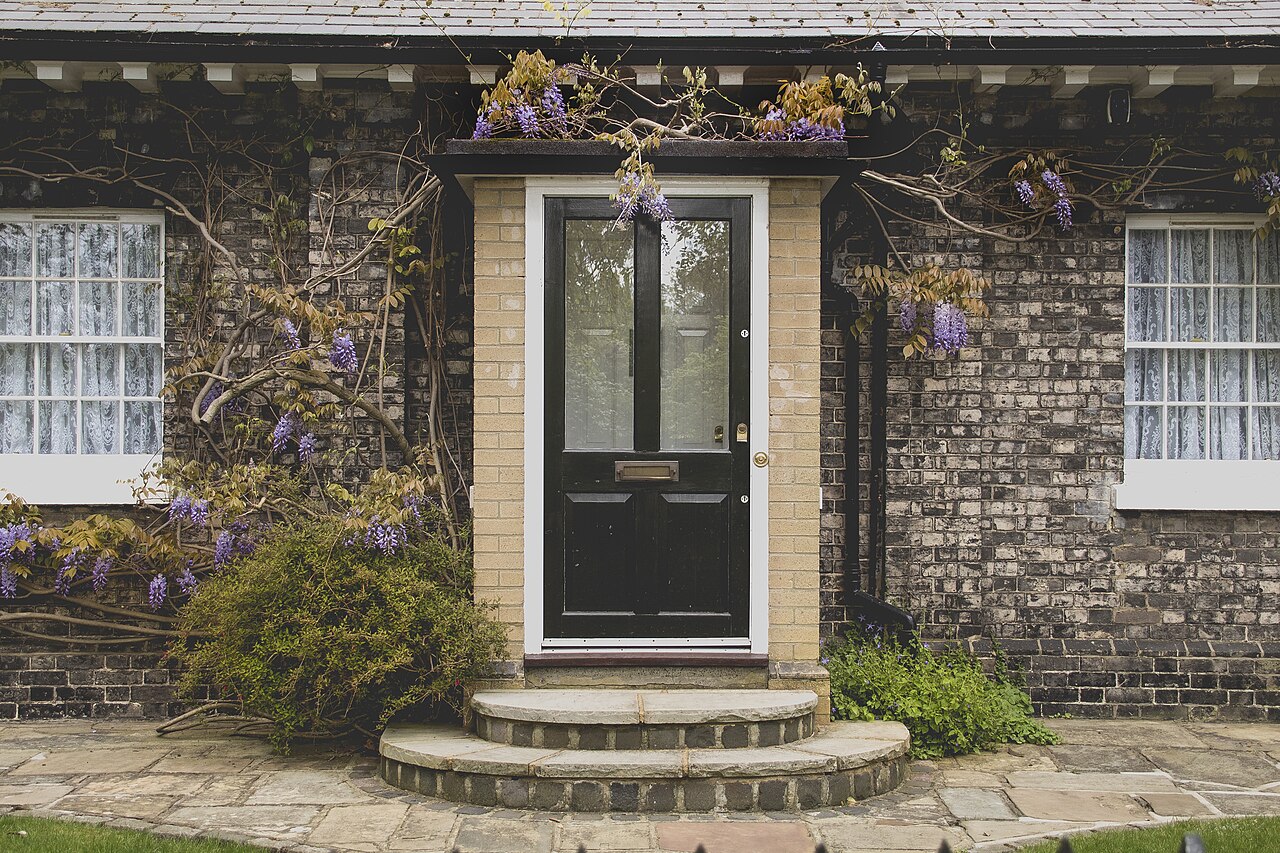
A wisteria in full flower can make a plain brick house look as though it belongs on a calendar. Ten years later the same plant may be inside the gutter, lifting a tile and tapping on the bedroom window. Homeowners, gardeners and groups like the Rollingwood Management team of experts all come across climbers sooner or later, because they are among the cheapest ways to change how the front of a building looks. Whether they help or harm depends mostly on the kind of plant, the state of the wall and how often somebody gets out the clippers.
It is easier to choose well at the start than to undo a mistake later. A climber that has had a decade to settle in does not leave politely.
How climbers hold on
Plants climb in several ways, and the method matters more than the flower. Ivy and trumpet vine push small roots into any rough surface. Boston ivy and Virginia creeper use sticky pads. These can go up a bare wall with no help, which is convenient, but they leave marks and bits of root behind when pulled off.
Others need something to grip. Clematis wraps its leaf stalks around thin supports. Honeysuckle, jasmine and wisteria twine their whole stems. Climbing roses do not really climb at all; they lean, and have to be tied in.
For most houses, the second group is simpler to live with. Wires or a trellis hold the plant a few inches from the surface, air moves behind it, and the wall can still be reached for painting. If the framework is hinged at the bottom or hung on hooks, the whole thing can sometimes be eased forward without cutting.
Is the wall up to it?
Sound brick with firm mortar copes with a lot. The trouble starts where there are already cracks, because roots and shoots will find them, thicken and widen the gap. Older lime mortar is soft and deserves extra care. Press a key against a joint; if it crumbles, repair it before planting anything.
Wood siding is a poor match for clinging plants. Leaves hold damp against the boards, paint peels unseen, and stems slip under the laps and pry them loose. Vinyl has similar problems. Stucco can come away in sheets when ivy is removed. There, a freestanding trellis set a foot or so out from the house gives the same effect without contact.
There is a kinder side too. Foliage shades a sunny wall and may keep rooms behind it a little cooler in summer. Some studies suggest that leaves also protect masonry from driving rain and frost. A healthy wall with a well-kept plant can do perfectly well for generations.
Planting and training in the first years
Dig the hole at least a foot and a half from the foundation. The soil right against a house is usually dry, full of rubble and sheltered from rain. Lean the young plant toward the wall with a cane, and water it through its first two summers. Once a week, deeply, is better than a daily sprinkle.
Set the supports before planting, while it is easy to reach everything. Use screws and rustproof fixings that can take weight, since a mature wisteria can weigh as much as a small car and will bend thin wire like a paper clip. Horizontal lines about a foot and a half apart suit most plants.
Spread the stems sideways early on. Growth trained near the horizontal tends to produce more flowers, and it covers the lower wall, which otherwise stays bare while everything rushes to the top. Tie loosely, with soft twine, in a figure of eight. Check the ties each spring so that none is cutting into the bark.
Keeping it off the roof
Pruning is the whole secret. Once or twice a year, depending on the plant, cut everything back to at least a foot below the gutter and well away from windows, vents, cables and the meter box. Shoots that get under roof tiles or behind a downspout should come out right away.
People who like low-effort gardens would do better with clematis or a modest climbing rose than with anything famous for speed. Read the final height on the label and believe it.
If an old climber has to go, do not yank it. Cut the main stem near the ground and let the top die for some weeks, then peel it away gently with a scraper. Roots that remain can be brushed off with a stiff brush once they are brittle. Treat the stump, or keep cutting the new growth until it gives up.
Birds complicate the timing. Dense climbers are popular nesting spots, and disturbing an active nest is against the law in many places, so look before cutting between spring and late summer. Autumn is calmer. The leaves thin out, the structure shows, and the wall behind can be seen properly for the first time in months.