Before the First Cold Night: Waking Up a Home Heating System
Heating systems are ignored for half the year and then asked to work perfectly on the coldest evening anyone can remember. They do not always oblige. A quiet hour in early autumn, with the windows…
Heating systems are ignored for half the year and then asked to work perfectly on the coldest evening anyone can remember. They do not always oblige. A quiet hour in early autumn, with the windows still open, heads off most of the trouble. People who look after homes in number, including groups like the KRS Lynchburg team, have good reason to think about heat before it is needed, and a single household can follow the same habit. The point is to find the fault on a mild day, when a wait for parts is merely annoying.
Some of what follows applies to furnaces and ducts, some to boilers and radiators. Skip whatever your home does not have.
Start with air and dust
If warm air comes out of vents, begin at the filter. Slide it out and hold it up to a lamp. When light no longer passes through, it is finished. A clogged filter makes the fan strain, leaves far rooms cold and can shut the whole system down on a safety switch. Note the size printed on the frame and buy several, since the shop will be out of that one in December.
Walk the rooms next. Vents disappear under rugs and behind sofas over the summer, and closing too many of them does not save much, whatever the neighbor says. Vacuum the grilles. Return vents, the large ones that pull air back, need clear space in front of them more than the small ones do.
Clear around the furnace itself as well. The closet that houses it tends to become storage for paint, paper bags and holiday decorations, none of which belong near a flame.
Radiators and boilers have their own rituals
Radiators that are hot at the bottom and cool along the top have air trapped inside. With the system off and cool, open the small valve at one end with its key, hold a cloth beneath it and wait for the hiss to turn into a dribble. Close it at once. Work through the house one floor at a time, starting downstairs.
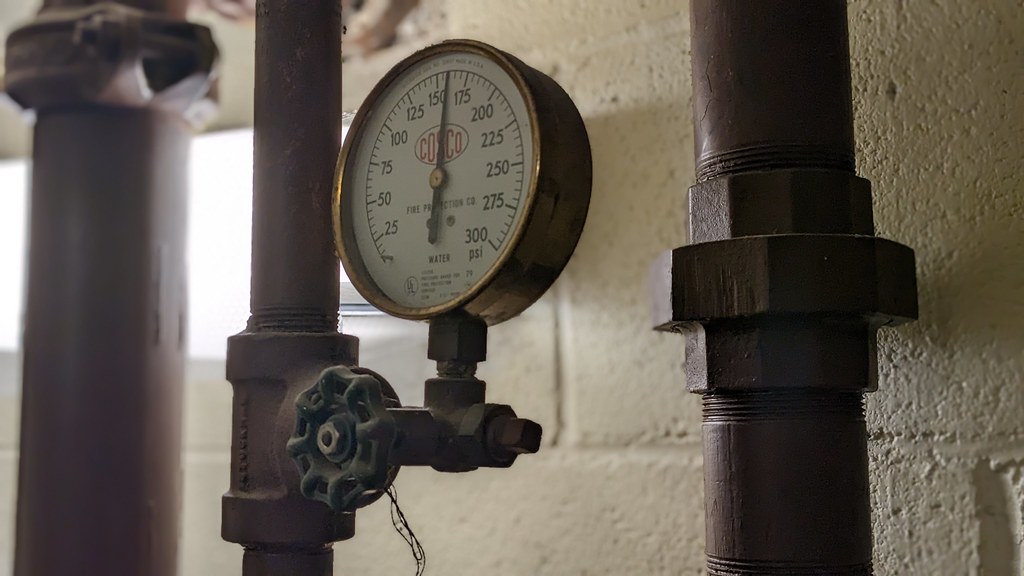
Letting air out lowers the pressure, so look at the gauge on the boiler afterwards. Many home systems sit between one and one and a half bar when cold, though the manual has the final word. If the needle drops again within days, water is escaping somewhere. Check beneath valves for green or white crust, which is often the only trace a slow leak leaves.
Radiator valves also seize during a summer of sitting still. Turn each one fully both ways. A stuck pin can sometimes be freed with gentle tapping, but forcing it may end with a wet carpet. Leave the stubborn ones for someone with the right tool.
The trial run
Pick a morning when you will be at home. Set the thermostat a few degrees above the room and listen. There should be a click, a pause and then a steady sound. A burnt dust smell for the first twenty minutes is normal, because that is exactly what it is. A smell that goes on for hours, or anything like melting plastic, means switch off and call. A smell of gas means leave the house first and call from outside.
Wait half an hour, then put your hand to every vent or radiator. Write down any that stay cold. Banging pipes, a fan that squeals or a burner that starts and stops every two minutes are worth noting too, along with the time, as technicians like details.
The thermostat deserves a moment of its own. Change the batteries, correct the clock and look at the schedule, which may still belong to a job you no longer have. If the thing is very old, this discussion of smart thermostats for families covers what newer models do and do not improve. And place matters: one mounted near a lamp or in a sunny hall will misjudge the rest of the house.
Safety checks and the yearly visit
Any appliance that burns fuel can produce carbon monoxide, which has no smell at all. Test the alarms, read the expiry date on the back, and make sure there is one near the bedrooms. Outside, look at the flue or vent pipe. Birds build in them. So do wasps. Leaves pile up against the low ones, and later on snow will do the same.
A professional service once a year is sensible for most fuel-burning equipment, and some warranties insist on it. Book in late summer if you can. By the first frost everyone has had the same idea, and the wait may stretch to a fortnight. Keep the paper they leave behind, since readings from one year help to explain those of the next.
Last, put a note by the shutoff saying which way is off. Then turn everything down again and enjoy the remaining warm weeks. When the cold does arrive, the only surprise should be how early it gets dark.