How to Get Through the Last Seven Days Before a Move
By the final week, the fun parts of a move are over. The new place has been chosen, the date is fixed and half the books are in boxes, yet the kitchen still looks exactly…
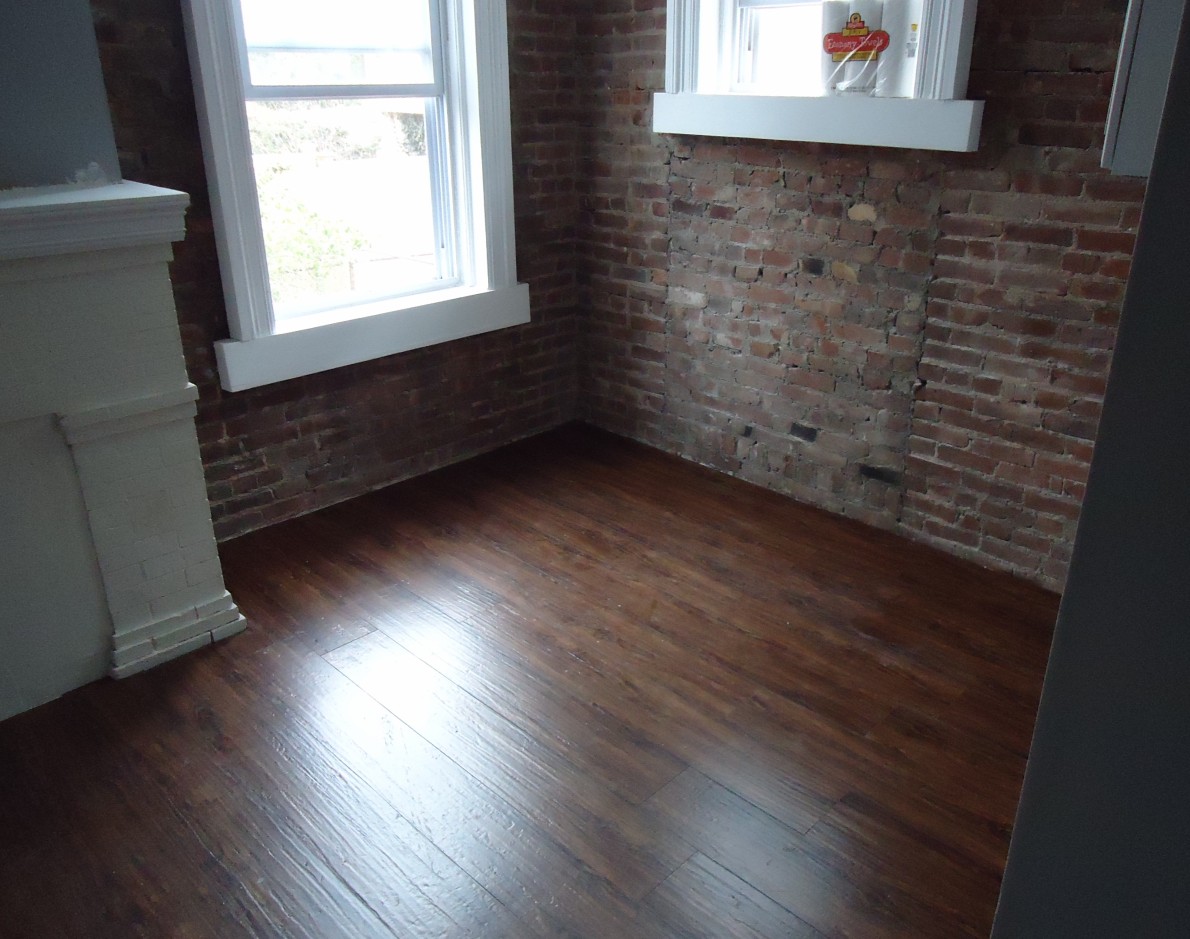
By the final week, the fun parts of a move are over. The new place has been chosen, the date is fixed and half the books are in boxes, yet the kitchen still looks exactly as it did a month ago. Renters hand their keys back to private owners or to McCaw Property Management professionals, sellers hand theirs to a buyer, and in both cases the clock is suddenly loud. Seven days is enough. It only feels short because so many small jobs turn up at once.
A loose day-by-day shape helps more than a hundred-line checklist. Things will slip by a day here and there, and the plan below leaves room for it.
Seven and six days out: calls and paperwork
Spend the first two days mostly sitting down. Confirm the arrival time with whoever is bringing the truck, and ask about parking at both ends. Some streets need a permit, and some apartment buildings insist on booking the elevator. If the sofa only fits through the balcony door, say so now rather than at eight in the morning with three people holding it.
Then tackle the accounts. Electricity, gas, water and internet need an end date at the old address and a start date at the new one. Overlap by a day. Cleaning an empty apartment by flashlight is a miserable way to finish. Redirect the mail, tell the bank, update the insurance and let the school, the dentist and the vet know.
Put the important papers in one bag: passports, the lease or closing documents, medical records, chargers, spare keys. That bag travels with a person. It never goes on the truck.
Five to three days out: pack by usefulness
Pack rooms in the order they will be missed. Guest bedding, holiday decorations, the good glasses and most of the garage can go first. Clothing for the week stays in a suitcase, as though for a trip.
Heavy things go in small boxes. This sounds obvious until someone fills a wardrobe carton with cookbooks and nobody can lift it. Plates travel better on their edges than stacked flat, and towels make decent padding that needs moving anyway. Write the room on two sides of each box, plus one honest line about the contents. “Kitchen, baking, not urgent” is better than “misc.”
Photograph the back of the television and the router before pulling any cables. Put screws from each piece of furniture in a labeled bag and tape it to the furniture itself, somewhere out of sight. Every family has a story about a bed frame and a missing bolt.
Eat strangely. Frozen peas, half a bag of pasta, the jar of olives from New Year. Whatever is left unopened by Thursday can go to a neighbor or a food bank.
Two days out: empty, defrost, hand over
The freezer needs about a day to thaw, so switch it off with a towel on the floor and the door propped open. Drain the garden hose, empty the fuel from the mower, and check what the movers refuse to carry. Paint, propane and bleach are commonly on that list.
Walk through the closets with a trash bag. Anything that has not been chosen for a box by now probably will not be missed. Donation centers fill up at the end of the month, so ring ahead instead of arriving with a loaded car.
People who are moving to an unfamiliar city have an extra job at this stage, which is saving addresses offline: the new home, the nearest late-opening store, a pharmacy, and somewhere to eat on the first night. Phones run flat on moving day with remarkable reliability.
The day before and the day itself
Make up one “first night” box and pack it last. Toilet paper, soap, a shower curtain if one is needed, sheets, a lamp, scissors, kettle, mugs, snacks, pet food, medicine. Mark it in red. When everything else is stacked to the ceiling at nine at night, that one box is the difference between a bed and a heap of coats.
Clean as rooms empty, starting at the far end of the home and working toward the door. Take photographs of each bare room, the meters and any existing marks. Check the oven, the dishwasher, the hook behind the bathroom door and the top shelf of every closet. Something is always left on the top shelf.
On the morning itself, keep children and pets with a friend if possible. Stand by the door, tick off boxes as they leave and drink some water. Then go back inside once, alone, and look around slowly. Close the windows, switch off the lights, leave the keys where they are meant to be. The rest is only driving.