What a Seasonal Walkthrough of a Rental Home Should Cover
Water is patient. It will spend a whole winter working through a hairline gap in the caulk behind a tub, and the first visible sign might be a soft patch of floor in May. Guides…
Water is patient. It will spend a whole winter working through a hairline gap in the caulk behind a tub, and the first visible sign might be a soft patch of floor in May. Guides to property management Hays County usually mention inspections in a sentence or two, as though everyone already knows what happens during one. In practice a walkthrough can be a distracted stroll with a clipboard, or it can catch that gap while it still costs a tube of sealant to fix.
Twice a year is a reasonable pace for most houses, once as the weather warms and again before it turns cold. The visit should take under an hour. Tenants need proper written notice, and the date ought to suit them where possible, because it is their home that is being walked through.
Outside first, starting at the roof
Begin across the street. From there, a sagging gutter or a missing shingle stands out in a way it never does up close. Binoculars are better than a ladder for a first look, and safer.
Then circle the building slowly. Are the downspouts sending water away from the foundation, or has somebody knocked one loose with a mower? Is soil piled against the siding? Look at the grading after rain if the timing allows, since puddles tell the truth about slopes. Bigger buildings with paved yards have their own version of this headache in the form of blocked stormwater drains, which can push water back toward doorways during a storm.
Check that steps are solid, handrails do not wobble and outdoor lights come on. Trim branches touching the roof. Squirrels treat them as bridges, and wet leaves hold moisture against the shingles. Last, find the dryer vent and make sure the flap opens. A flap stuck shut with lint is a fire risk, and it also explains why the towels take two cycles to dry.
Kitchens and bathrooms get the most time
These rooms hold most of the plumbing, so they hold most of the trouble. Open the cabinet under each sink and run a dry paper towel along the pipes and the shutoff valves. A damp streak is easy to miss by eye and obvious on paper.
Press gently with a foot around the base of the toilet and along the edge of the tub. Any give in the floor deserves a closer look. Flush, and listen for a tank that refills long after it should have stopped. Turn on the extractor fans and hold up a square of tissue; if it does not stick to the grille, the fan is only making noise.
In the kitchen, pull out the lower drawer of the stove, look behind the refrigerator if it rolls, and ask about the disposal and the dishwasher. Tenants often live with small faults for months. They assume a slow drain is normal, or they would rather not bother anybody. A direct question, asked in a friendly way, brings out more than a checklist does.
Safety items that should never wait
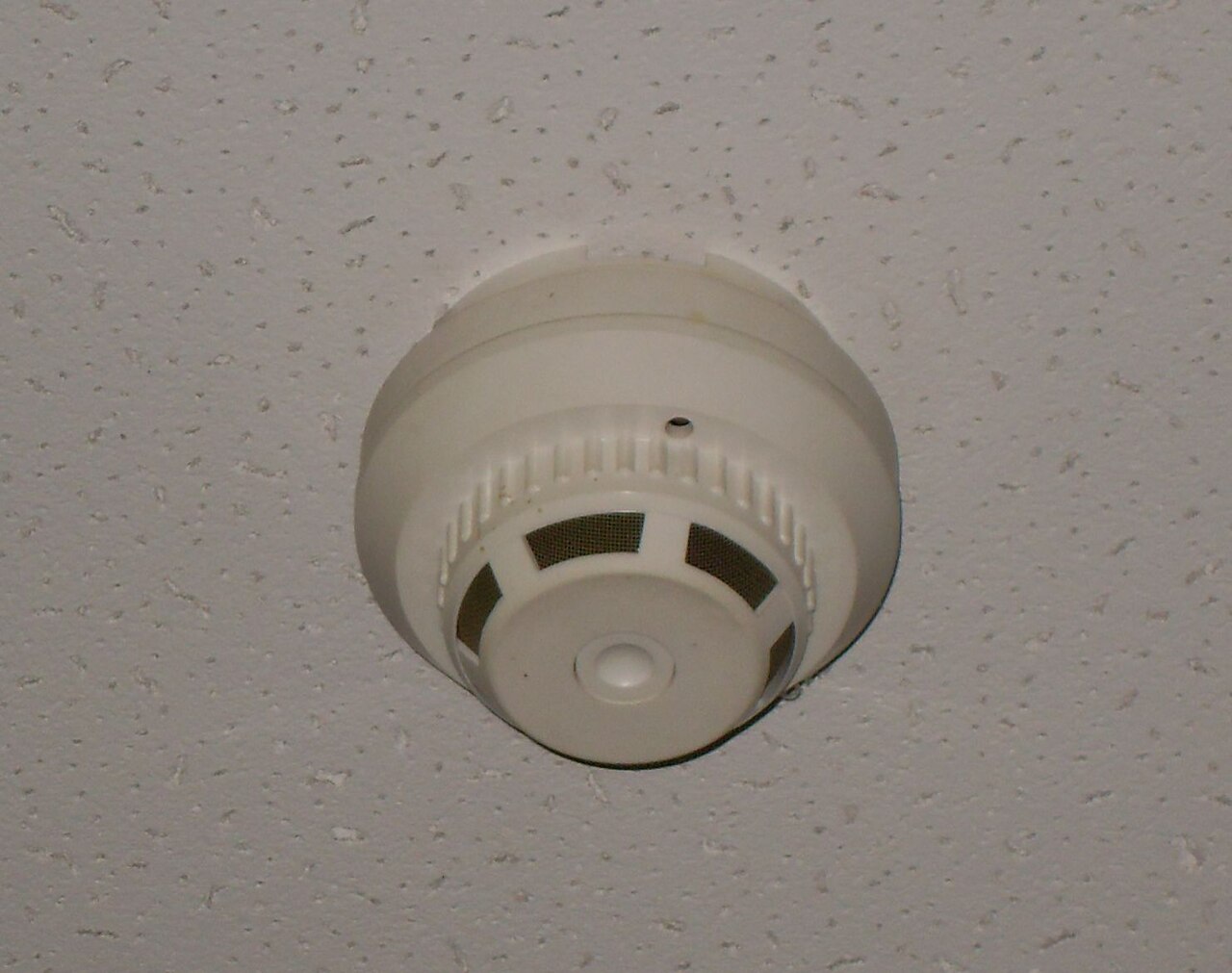
Smoke alarms come first. Press the test button on every unit, read the manufacture date printed on the back and replace those that have passed their service life, which is commonly around ten years. Carbon monoxide alarms usually expire sooner. Batteries get swapped whether or not they seem fine.
Next, look at the electrical panel for scorch marks or a breaker that is warm to the touch. Test the outlets that have a reset button near sinks and outdoors. Windows in bedrooms must open fully, because they may be somebody’s way out. Space heaters plugged into extension cords call for a conversation then and there, along with a question about why the room is cold to begin with.
Railings, loose treads and trip hazards go on the same urgent list. A cracked tile can wait until next month. A stair that moves underfoot cannot.
Notes, photos and what happens afterwards
Take pictures of the building and its fittings, and leave the tenants’ belongings out of the frame as far as possible. A walkthrough is about pipes, wiring and surfaces. It is not a review of anyone’s housekeeping, and treating it as one is the quickest way to make the next visit unpleasant.
Sort the findings into three piles: now, this season, and keep an eye on it. Send the tenant a short summary with rough dates for the repairs. People notice when promised work gets done, and they report problems earlier once they have seen that happen.
Finally, compare the list with the previous one. If the same window has been sticking for three visits running, it has stopped being a minor item. A walkthrough only earns its keep when the notes lead somewhere, and the best ones end up short, specific and, after a few seasons, pleasantly boring.