Is Noise Cancelling Worth It on a Commute?
Noise cancelling is often described as a switch that turns a train carriage into a library, and the truth is quieter than the sales pitch but steadier than most people expect. What it removes is…
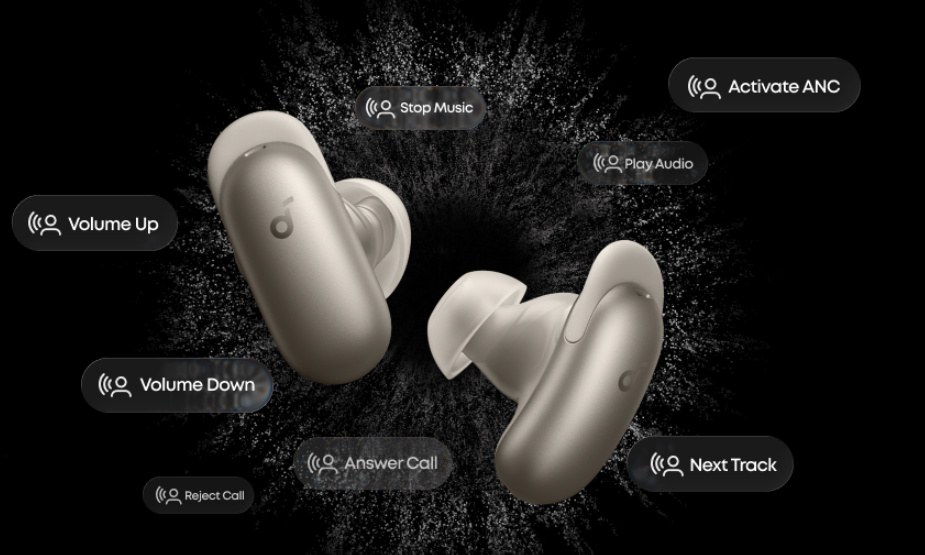
Noise cancelling is often described as a switch that turns a train carriage into a library, and the truth is quieter than the sales pitch but steadier than most people expect. What it removes is the steady, low rumble that makes a commute tiring: engines, rails, air conditioning and tyre noise. What it leaves is everything sudden, which is most of what you need to hear. Whether the feature earns its price depends on which of those two kinds of sound your journey is actually made of, and on how long you spend inside it. Most commuters find out in the first week, one way or the other.
What Cancelling Removes and What It Leaves
Engine, Rail and Road Noise
Active noise cancelling works by sampling the sound around you and playing the inverse, which is most effective on low frequencies that repeat predictably. That describes a train at speed perfectly, and wireless earbuds with good cancellation can take a carriage’s drone down to something closer to a quiet room. On a bus the engine note softens and the road roar recedes, though the rattle of trim stays. The result is not silence but a lower floor, which is why the benefit shows up as less fatigue rather than as a dramatic absence. Measured in decibels the change looks modest; measured in how tired you are at the far end, it does not.
Voices and Sudden Sounds
Speech sits in a frequency range where cancellation is least effective, because the algorithms that remove a rumble are not the ones that remove a conversation two seats away. Sudden sounds, a door, a dropped bag, a shout, arrive too quickly to be predicted, so they reach you at close to full volume. That is a sensible compromise for safety, and it is why a busy carriage still asks a little of you. Where voices dominate, the mode still lowers the floor underneath them, which means a lower volume for the same podcast — and that alone is worth having. A crying child, a screeching brake and a ringing phone all arrive at full strength, which is why the mode feels selective rather than total.
The Conditions That Change the Result
Fit and Seal
Cancellation begins with a passive seal, because the electronics only have to fight what is left after the tip has done its work. A loose tip loses the low frequencies first, which is precisely where the feature is strongest, so a badly fitted earbud can make the mode seem weaker than it is. Before blaming the software, try the next tip size up and listen for the change. Most complaints about weak cancellation are fit complaints in disguise. A seal that leaks does more harm than no cancellation at all, because the ear notices the missing bass and reads it as a fault in the mode.
Wind and Cabin Pressure
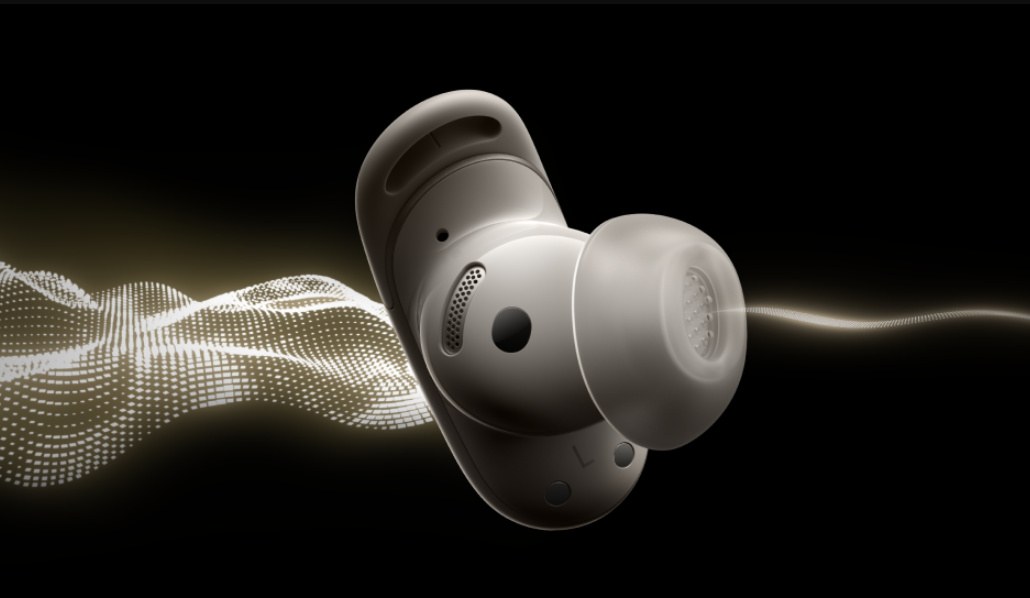
Wind across a microphone sounds like noise, so the algorithm amplifies what it thinks it is removing, and the result is a rushing sound that no setting fully cures. A collared jacket or a hood helps more than any slider. Pressing the earbud gently against the ear for a second usually shows whether the seal is the problem or the algorithm is. Cabin pressure on a plane produces a different effect: the sense of pressure in the ears that some people find uncomfortable after an hour. The soundcore Liberty 5 Pro Max adapts its cancellation to the noise around it, which keeps wind and changing engines from overwhelming the effect, and its five tip sizes and three fins let you close the seal the electronics rely on.
The Alternatives and Their Trade-offs
Foam and Silicone Plugs, and What They Block Out
Passive plugs cost almost nothing and block a great deal, which is exactly why they are the wrong tool on a commute. Foam plugs take the announcements, the traffic and the alarm along with the rumble, and they do it without any awareness mode to switch back. Used to sleep or to concentrate in a quiet room, they are excellent, and cheap enough to keep in a pocket for the nights when a hotel room turns out to sit beside a lift. Used while walking to a station or cycling, they remove the information you need to stay alive, and that trade is not worth any amount of quiet.
Open Ear Clips and the Volume They Invite
Open ear clips solve the opposite problem: they keep you aware, and they let the low rumble straight through. On a train that rumble sits underneath everything, so the natural response is to raise the volume until the podcast is audible over it, and that louder signal is what damages hearing over years. The clip is a reasonable choice for a quiet park and a poor one underground. It is why foam plugs remain the best option for sleeping and the worst for walking through a station. Awareness is worth having, but not at the cost of an hour a day at high volume. Hearing damage accumulates quietly, and volume is the part you can still control.
Conclusion
Noise cancelling is worth the money for a commute built on steady noise and less so for one built on conversation and announcements. Its strength is narrow and real: engines, rails and roads, at low frequencies, with a good seal. Where a journey is mostly voices, it still helps by lowering the floor underneath them, so the volume you need stays kinder to your ears. Buy it for the rumble, and keep expectations clear about the rest. The feature is a tool with a narrow shape, and it works best when the job matches it.